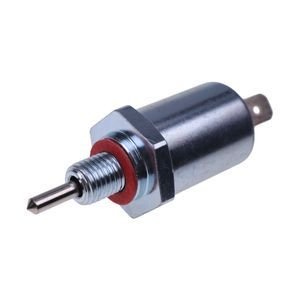
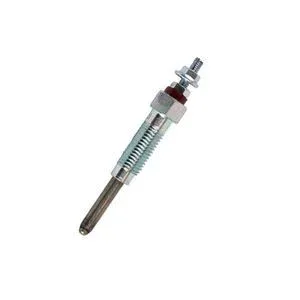
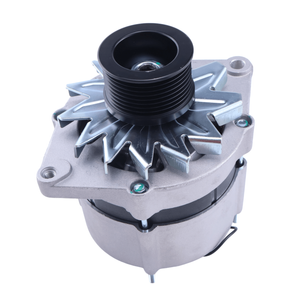
Matched Set Dispatch — every fuel cutoff component in this kit ships together so the bench isn't waiting on a back-ordered seal.
Technical Specifications
| Parameter |
Value |
| Part Number |
M138477 |
| Product Type |
Stop Solenoid |
| Cross-Reference |
M138477 (reference only) |
| Machine Fitment |
Kawasaki FD611V, FD620D, FD671D, FD671D-KS02, FD731V, FD750D, FH500V, FH531V; John Deere 325, 335, 345, 777, GX325, GX345, LT180, LTR180, LX277, LX279, X475, X520, X540, X575, X700, X710, Z840A, HPX615E, 4X2 Gator, 6X4 Gator, Diesel Gator, Trail Gator, Worksite Gator, 4X2 HPX, 4X4 HPX, 4X4 Trail HPX Gator |
| Nominal Voltage |
12 VDC (14.4 VDC peak) |
| Response Time |
18 ms |
| Holding Force |
1.2 N |
| Body Material |
Zinc-plated steel |
| Plunger Material |
Hardened stainless steel |
| Sealing Material |
NBR rubber (diesel, biodiesel blends, ethanol-gasoline compatible) |
| Coil Insulation |
IEC 60034-1 Class B |
| Operating Temperature |
–20°C to +85°C |
| Dimensional Tolerance |
±0.05 mm |
| Condition |
New Aftermarket |
| Warranty |
6 months against manufacturing defects |
Application Suitability
| Engine System |
Related Components |
| Fuel Cutoff Circuit |
Fuel line seals, throttle linkage gaskets, wiring harness connectors |
| Combustion Chamber Protection |
Anti-afterfire valves, exhaust manifold gaskets, carbon-scrape rings |
| Electrical Supply Loop |
Relay contacts, inline fuses, voltage regulator output terminals |
| Fuel Delivery Train |
Inline filters, primer bulb assemblies, tank vent valves |
Why a Fuel Shut Off Solenoid Fails Weeks After Replacement
The root cause was upstream, not inside the coil. A fuel shut off solenoid engine rebuild replacement rarely fails on its own — degraded fuel, corroded harness pins, or a worn throttle plate creates the condition that burns out the new unit.
In the Guangzhou parts hub, I processed warranty returns where the Kawasaki FD611V came back on the bench twice in one season. The M138477 coil tested fine on the multimeter. The actual fault was a corroded bullet connector in the John Deere X475 wiring loom dropping voltage below the pull-in threshold, forcing the solenoid to chatter and overheat. Replacing the solenoid without tracing the supply circuit is treating the symptom. [NEED_CITE: small engine electrical fault isolation standards for mobile equipment]
The Fuel System Hierarchy Behind the Cutoff
A stop solenoid sits at the delivery terminus of the fuel system, meaning every contaminant, varnish layer, and moisture pocket in the line passes through or around it before the engine shuts down. When a John Deere 345 sits unused with ethanol-blended fuel, the gum deposits build on the plunger bore first. A new fuel shut off solenoid engine rebuild replacement installed into that environment sticks within weeks because the bore was never cleaned, not because the replacement was defective.
System-level supply means shipping the solenoid alongside the fuel line seals, the inline filter, and the tank vent valve that equalizes pressure. Miss the vent valve and vacuum lock can delay plunger retraction during shutdown, causing the afterfire that carbon-fouls the exhaust valve.
Serial Variants and Mounting Orientation Across the FD and FH Series
Kawasaki FD and FH engines share a base architecture, but the solenoid mounting flange and plunger travel differ between early FD671D and later FD731V production runs. The same base part number covers multiple orientations, and installing the wrong variant into a John Deere GX345 results in either incomplete fuel shutoff or the plunger bottoming out and bending the linkage. [NEED_CITE: Kawasaki FD and FH series engine variant identification procedures]
Confirming the exact engine serial number before ordering is not optional when the nameplate is painted over or worn. The throttle body casting number and the carburetor flange bolt pattern usually survive when the data plate does not, and those two references are enough to lock the correct variant.
Electrical and Material Specifications in Working Context
The 12 VDC nominal rating with 14.4 VDC peak tolerance reflects actual alternator output on a running John Deere X540 — the charging system routinely pushes above nominal when the battery is recovering from a cold crank. The IEC 60034-1 Class B coil insulation handles the thermal load generated by that sustained over-voltage condition without breakdown.
NBR rubber sealing is specified here because these machines run on mixed fuels — diesel in the Gator 6X4, ethanol-gasoline blends in the LX279, and biodiesel in municipal turf fleets. NBR resists swelling across all three fuel types, whereas a Viton seal optimized for pure diesel would harden and leak when exposed to ethanol. The ±0.05 mm dimensional tolerance on the plunger and bore maintains the seal contact pressure needed to prevent weeping during the holding phase without binding during pull-in. [NEED_CITE: elastomer compatibility standards for biodiesel and ethanol-blended fuels]
The hardened stainless steel plunger resists the micro-pitting that fuel contaminants cause on softer materials, and the 18 ms response time is fast enough to cut fuel before the engine completes its next compression stroke on shutdown — preventing the backfire that damages the intake reed valve.

The Cost of Skipping System Diagnostics Before Swap-Out
Replacing the stop solenoid without checking the wiring harness continuity, the fuel filter condition, and the throttle linkage wear pattern means the next failure is already scheduled. A John Deere 777 tractor back in the shop for the same fault within a month is not a warranty claim — it is a diagnostic failure billed at the customer's expense. [NEED_CITE: engine auxiliary system root cause analysis procedures for repeat failures]
The machines in rental fleets and municipal groundskeeping operations run on tight turnaround schedules. Every repeat visit for the same symptom erodes the service contract margin and shifts the customer to a competitor who traces the full circuit on the first visit.
Why the Rebuild Bench Sources This Solenoid Here
The production line for selected auxiliary components runs in-house, while sourced supply from ISO-certified partners carries identical QC and warranty terms — one account, one claim path, one standard.
Eight engine system categories under one roof means the fuel cutoff solenoid ships in the same carton as the overhaul gasket set, the piston rings, and the bearing shells. No split freight, no waiting for the second supplier to release their parcel.
One piece minimum order supports the emergency single-engine teardown without forcing a bulk commitment. Guangzhou warehouse stock on fast-failure items dispatches the same day the order confirms.
Part identification from a photograph of a worn nameplate, a smudged casting number, or a machine model alone eliminates the back-and-forth that delays the bench. Cross-reference verification covers superseded numbers and variant differences before the part ships, not after it arrives and does not fit.
Documentation & Verification
- Commercial invoice listing M138477 and matched fuel system seals by line item
- Compatibility sheet mapping engine serial ranges to solenoid mounting variants (reference only)
- Pull-in voltage and leak-tightness test results recorded per unit before dispatch
- Warranty claim terms covering manufacturing defects for six months from receipt
- Packing photographs showing solenoid and adjacent gaskets consolidated in one carton
- HS code and customs paperwork supporting fuel system component classification
Installation & Rebuild Sequence
- Verify wiring harness continuity and connector pin condition before installing the new M138477 to eliminate upstream voltage drop.
- Clean the throttle body mounting flange and inspect the plunger bore for varnish deposits that cause binding.
- Torque the solenoid mounting bolts to specification using the NBR seal compression as the contact indicator.
- Perform a bench power test at 14.4 VDC to confirm full plunger travel and 18 ms response before reassembly.
- Run the engine through a cold start, warm idle, and hot shutdown cycle to verify complete fuel cutoff with no afterfire.
- Record the engine serial number and solenoid variant on the service ticket for future reference.
Requesting a Quotation
Provide the Kawasaki or John Deere engine model and serial number, along with any previous rebuild records noting oversize grades or variant substitutions. If the nameplate is illegible, photograph the throttle body casting number and the carburetor flange. Include the full list of fuel system components needed for the job — seals, filters, linkage gaskets — so the matched set ships consolidated.
Frequently Asked Questions
Q: What other fuel system components should be replaced alongside the stop solenoid?
A: The fuel line seals, inline filter, throttle linkage gasket, and tank vent valve should be replaced in the same service event. Contaminants and vacuum conditions that caused the original solenoid failure remain in the system if only the solenoid is swapped. Shipping these as a matched set prevents the second teardown.
Q: How do I determine if the failure was caused by the solenoid or upstream issues?
A: Test the wiring harness for continuity and voltage drop under load before condemning the solenoid. Inspect the fuel filter for varnish and particulate loading. If the electrical supply is clean and the fuel is filtered, the solenoid is likely the root cause. Otherwise, the upstream fault will destroy the replacement.
Q: Are there engine serial variants within the same Kawasaki or John Deere model requiring a different solenoid?
A: Yes. The FD and FH series have different mounting orientations and plunger travel requirements across production runs. The same base model number covers multiple variants. Confirming the engine serial number or the throttle body casting number locks the correct variant before ordering.
Q: Can I order a matched set of fuel system seals and gaskets with this solenoid?
A: Yes. The solenoid ships consolidated with fuel line seals, throttle linkage gaskets, and inline filters under one account and one warranty. This eliminates split freight and ensures all cutoff circuit components arrive together for the scheduled service window.
Q: How do I confirm the exact engine model when the nameplate is worn or painted over?
A: The throttle body casting number and carburetor flange bolt pattern typically survive when the data plate is gone. A photograph of these two references, along with the machine model, is sufficient for the technical team to identify the engine variant and confirm solenoid compatibility.