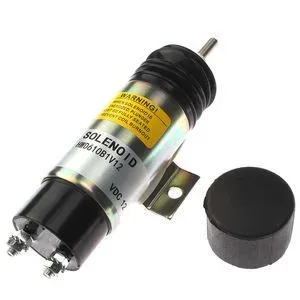
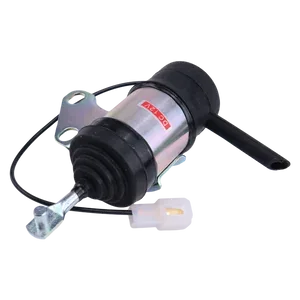
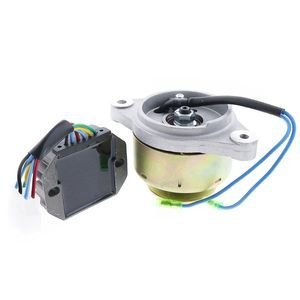
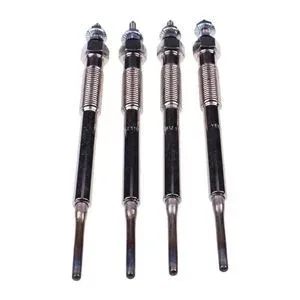
Matched Set Shipment — Dual coil stop solenoid verified against Kubota D905 and DF752 engine serial variants, paired with fuel and electrical system components for one rebuild consignment.
Technical Specifications
| Parameter |
Value |
| Part Number |
D610-B1V12 68990-015 |
| Product Type |
Stop Solenoid |
| Cross-Reference |
D610-B1V12, D610B1V12, 68990-015, 68990015 (reference only) |
| Machine Fitment |
WG750, DF752, DF-750, DF972, D905 |
| Brand Compatibility |
Kubota |
| Voltage |
12V |
| Coil Configuration |
Dual Coil |
| Terminals |
2 Terminals |
| Type |
Pull Solenoid |
| Condition |
New Aftermarket |
| Warranty |
3-12 months against manufacturing defects |
| Standards |
ISO 9001 |
Application Suitability
| Engine System |
Related Components |
| Fuel Delivery and Shutoff |
Fuel filter, fuel lines, shutoff linkage, return spring |
| Electrical and Charging |
Wiring harness connector, alternator output check, ignition switch |
| Engine Overhaul |
Gasket set, piston rings, cylinder liner, bearing shells |
| Auxiliary Controls |
Throttle linkage, governor springs, fuel rack mechanism |
Why the Fuel Shutoff Fails Again After a Fresh Solenoid Swap
The solenoid is the symptom, not always the root cause.
When a Kubota D905 or DF752 shuts down mid-cycle or refuses to cut fuel on key-off, the immediate reaction is to swap the stop solenoid. But if the wiring harness connector has corroded pins, if the fuel shutoff linkage binds, or if the return spring has lost tension, the new stop solenoid engine rebuild replacement will fail within weeks. I have seen engines come back to the bench with a burned-out coil because the technician never checked whether the 12V supply was actually dropping voltage under load [NEED_CITE: electrical system voltage drop diagnostics for small diesel engines]. The stop solenoid engine rebuild replacement sits at the junction of the electrical and fuel systems, so diagnosing failure requires looking at both sides before the new part goes in.

The Electrical-to-Fuel Interface in Kubota Small Engines
This stop solenoid engine rebuild replacement acts as the electrically actuated gate that cuts fuel supply when the ignition key turns off. In Kubota WG750 and DF-series engines, the solenoid pulls the fuel rack to the no-fuel position, stopping combustion without mechanical intervention. When the solenoid engages properly, engine shutdown is immediate and clean.
What Fails Around the Solenoid
A dual coil pull solenoid draws high current for the initial pull-in stroke, then drops to a lower hold-in current. If the alternator on an aging D905 is already producing marginal output, the hold-in coil may not sustain engagement, causing intermittent fuel shutoff behavior. The wiring harness connector must match the existing 2-terminal configuration; a mismatched pin style causes open-circuit failure that looks identical to a bad coil [NEED_CITE: wiring harness connector compatibility in small engine electrical systems]. Before replacing the solenoid, verify fuel shutoff linkage travel and return spring tension on the mechanical side.
Dual Coil Operation and Electrical Load Explained
The 12V dual coil design separates the high-force pull-in winding from the low-current hold-in winding. During the initial energization, both coils activate to generate the magnetic force needed to overcome the fuel rack spring and pull the shutoff mechanism through its full stroke. Once the armature seats, a built-in switch or external relay de-energizes the pull-in coil, leaving only the hold-in coil active. This reduces sustained electrical load on the charging system. On Kubota engines where the alternator also serves lighting and instrumentation, that reduced continuous draw matters. A single-coil solenoid forced into this application would draw high current continuously, risking coil burnout and excessive heat buildup at the mounting point. The 2-terminal configuration simplifies wiring but demands that the connector and harness be in sound condition to carry the initial surge current without voltage drop.
The Cost of Skipping System-Level Diagnostics
Replacing the stop solenoid without inspecting the fuel linkage, wiring connector, and charging system leads to repeat failures that look like defective parts but are actually unresolved system faults. An engine that returns to the workshop with a burned coil and no visible cause points to an overvoltage condition or a stuck relay keeping the pull-in coil energized past its duty cycle [NEED_CITE: root cause analysis for premature solenoid coil failure in mobile equipment]. Each repeat visit erodes confidence in the parts supply when the real issue was never the solenoid itself. For overhaul jobs, installing a new stop solenoid engine rebuild replacement alongside worn governor springs or a binding fuel rack means the solenoid must work harder than designed, shortening its service life before the engine even leaves the bench.
Why Source the Solenoid Through This Supply Chain
Own production lines and qualified sourced supply operate under the same QC protocol and warranty terms, so the stop solenoid carries the same coverage whether produced in-house or sourced. Eight product categories mean the solenoid ships alongside overhaul gaskets, fuel filters, and wiring connectors in one consignment under one account. Single-piece orders are accepted, so a workshop confirming fitment on a D905 can order one unit before committing to distributor-level quantities. Part identification works from the OEM reference number (cross-reference only), machine model, or a photograph of the nameplate when the original label is worn. Cross-reference verification covers superseded numbers across Kubota engine generations, reducing the risk of receiving a variant that does not match the target serial range.
Documentation & Verification
- Commercial invoice listing stop solenoid part number, engine compatibility, and cross-reference data
- Cross-reference sheet mapping D610-B1V12 and 68990-015 to Kubota engine serial ranges (reference only)
- Quality inspection record covering coil resistance measurement and switching cycle test results
- Warranty terms defining coverage period and manufacturing defect claim procedure
- Packing photographs showing terminal protection and coil housing condition before crate closure
- HS code classification and customs documentation for international engine parts shipment
Installation & Rebuild Sequence
- Clean the solenoid mounting bore and fuel rack interface before installation to prevent debris jamming the armature stroke
- Verify the 2-terminal connector matches the existing wiring harness pin configuration and shows no corrosion on contacts
- Confirm fuel shutoff linkage moves freely through full travel with correct return spring tension before energizing the solenoid
- Torque mounting fasteners to specification and check armature alignment with the fuel rack pin or lever
- After installation, cycle the ignition on and off to verify pull-in engagement and clean fuel cutoff before starting the engine
- During initial engine run, monitor solenoid temperature at the housing to confirm hold-in coil is not drawing excessive continuous current
Request a Matched Engine System Quote
Provide your Kubota engine model, serial number, and any rebuild history so the correct solenoid variant is confirmed against engine documentation. Share your complete overhaul or repair list to receive the stop solenoid grouped with gaskets, fuel system components, and electrical parts in one consolidated shipment. Include photographs of the existing nameplate or failed solenoid if the part number is unreadable, and a compatibility check will be completed before dispatch.
Frequently Asked Questions
Q: What other engine system components should be inspected when a stop solenoid fails?
A: Inspect the wiring harness connector for corrosion or loose pins, the fuel shutoff linkage for binding or excessive travel, and the return spring for lost tension. Check alternator output voltage under load, since marginal charging system performance can prevent the hold-in coil from sustaining engagement on Kubota D905 and DF-series engines.
Q: How do I confirm the correct solenoid variant for my specific Kubota engine serial number?
A: Provide the engine model and serial number so the solenoid variant can be cross-referenced against Kubota engine documentation. Superseded part numbers and terminal configuration differences exist within the same base number across engine generations. A photograph of the existing unit or nameplate helps confirm the correct match.
Q: Is the dual coil design compatible with my engine's existing wiring harness connector?
A: The 2-terminal configuration is designed to match the standard Kubota wiring harness connector for these engine models. Verify the connector pin style and condition before installation, as corroded or mismatched terminals cause intermittent engagement. The dual coil reduces sustained current draw compared to single-coil alternatives.
Q: What system-level faults cause premature stop solenoid failure beyond the part itself?
A: A stuck relay keeping the pull-in coil energized continuously, alternator overvoltage, binding fuel linkage requiring excessive stroke force, and corroded wiring causing voltage drop all cause premature coil burnout. Diagnosing the electrical and mechanical systems before installation prevents repeat failure that appears to be a defective replacement part.
Q: Can I order this solenoid together with an overhaul gasket kit and fuel system components in one shipment?
A: Yes. The solenoid can be grouped with overhaul gaskets, fuel filters, piston sets, and fuel line components under one order and one warranty. This consolidation ensures all engine system parts arrive together, avoiding split freight and mismatched lead times that delay the rebuild schedule.