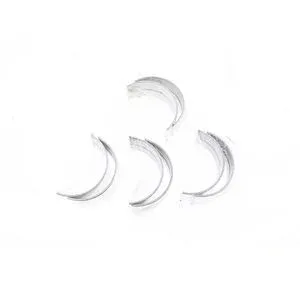
Matched Tolerances — Rocker lever 4065636 (cross-reference only) verified against QSK60 CM2150 through CM2350 serial variants before dispatch.
Technical Specifications
| Parameter |
Value |
| Part Number |
4065636 |
| Product Type |
Rocker Arm |
| Cross-Reference |
4065636 (reference only) |
| Machine Fitment |
K19, QSK19 CM500, QSK19G, QSK45 CM500, QSK60 CM2150 K132M, QSK60 CM2150 MCRS, QSK60 CM2150 MCRS G, QSK60 CM2150 MCRS M, QSK60 CM2250 K112, QSK60 CM2350 K116, QSK60 CM2350 K117, QSK60 CM2350 K121, QSK60 CM2350 K135, QSK60 CM2350 K136, QSK60 CM2350 K149M, QSK60 CM500, QSK60 CM850 MCRS, QSK60 G CM2358 K110, QSK60G |
| Material |
42CrMo alloy steel |
| Surface Treatment |
Phosphate and oil coating |
| Condition |
New Aftermarket |
| Warranty |
6 months against manufacturing defects |
| MOQ |
1 piece |
| Standards |
ISO 9001 |
Application Suitability
| Engine System |
Related Components |
| Valve train actuation |
Push rods, camshaft lobes, valve bridges, crossheads |
| Upper engine overhaul |
Cylinder head gasket set, valve stem seals, injector sleeve O-rings |
| Lubrication supply to rocker shaft |
Oil gallery restrictors, rocker shaft end plugs, supply tube fittings |
| Emission and exhaust interface |
Exhaust manifold gaskets, turbo oil return lines adjacent to rocker cover |
Why a Single Worn Rocker Lever Signals a Broader Valve Train Problem
Replacing one rocker lever without checking the entire valve actuation chain invites the same fault to return before the next service interval.
I have handled too many K19 and QSK series teardowns where the shop replaced only the visibly damaged rocker arm and reassembled. The engine came back within months — not because the replacement was defective, but because the underlying cause sat untouched. A rocker lever engine rebuild part rarely fails in isolation. Lubrication starvation from a clogged gallery, excessive valve lash from a worn cam lobe, or a fatigued push rod all transfer abnormal loads onto the lever contact face. [NEED_CITE: valve train failure root cause analysis in heavy-duty diesel engines] When you source a rocker lever 4065636 for a QSK60 CM2350 build, the conversation must extend to what sits upstream and downstream of it in the actuation path.

The Valve Actuation Chain This Lever Belongs To
The rocker lever sits between the push rod and the valve bridge, translating camshaft lift into valve opening force. On Cummins K19 and QSK platforms, this lever pivots on a shared rocker shaft fed by pressurized engine oil. Every contact surface — the push rod cup, the valve bridge pad, the shaft bore — must hold tolerance within the rebuild specification for that specific serial prefix. Installing a new rocker lever engine rebuild part onto a scored shaft or beside a worn push rod transfers point loading onto the fresh component, accelerating wear from day one.
Serial Variant Differences That Change Internal Specs
The QSK60 family spans CM2150, CM2250, CM2350, and CM850 control system generations, each with internal revisions tied to serial prefixes like K116, K135, or K149M. These revisions can affect valve lash settings, rocker ratio geometry, and oil feed drillings through the shaft. I once traced a persistent top-end noise complaint to a rocker lever sourced for a CM2150 build being fitted to a CM2350 K121 engine — the oil feed alignment was marginal, causing intermittent lubrication to that cylinder's valve train. [NEED_CITE: Cummins QSK60 serial prefix variation in valve train geometry] Confirming the engine data plate serial prefix against the overhaul manual revision eliminates this category of mismatch before parts leave the shelf.
Material Grade and Surface Treatment Under Load
The 42CrMo alloy steel specified for this rocker lever engine rebuild part provides through-hardened strength suitable for the cyclic contact stress at the push rod cup and valve bridge pad. The phosphate and oil coating serves a dual role: it provides initial break-in lubrication during the first hours of operation and protects against corrosion during storage and shipping. On engines running sustained high-load duty cycles — mining haul trucks, continuous-run gensets, marine auxiliary applications — the surface integrity of the lever contact face directly influences how well it maintains the oil film under boundary lubrication conditions. [NEED_CITE: boundary lubrication conditions in diesel valve train contacts]
The Cost of Missing the Root Cause
An engine rebuild shop that replaces the rocker lever without investigating cam lobe profile wear or push rod straightness will see the new part develop the same spalling pattern within a fraction of normal service life. The downtime compounds: the machine goes back into the bay, the cylinder head comes off again, and now adjacent components — valve guides, crosshead pins, shaft bushings — carry wear from two assembly cycles instead of one. [NEED_CITE: repeat valve train failure cost accumulation in heavy equipment overhaul] This is why system-level thinking matters more than part-level replacement when sourcing rocker lever 4065636 for a rebuild job.
What Sets This Supply Approach Apart
Both our self-produced and qualified-sourced component lines carry identical QC protocols and warranty terms, so a rocker lever shipped alongside a matched overhaul gasket set arrives under one account with consistent coverage. We identify parts from an engine data plate photograph when the metal tag is painted over or illegible. Cross-reference verification covers superseded numbers and alternate listings that accumulate errors as they pass between sellers. A single-piece order ships without minimum-order friction, and technical support is available to confirm whether the rocker lever in your rebuild list matches the serial prefix on your engine block.
Documentation & Verification
- Commercial invoice listing rocker lever quantities matched to cylinder count
- Compatibility sheet cross-referencing 4065636 against engine serial prefix
- Dimensional inspection record covering shaft bore diameter and pad thickness
- Six-month warranty terms covering material and manufacturing defects
- Packing photographs showing protective separation between lever contact faces
- HS code provided for customs clearance on international shipments
Installation & Rebuild Sequence
- Clean rocker shaft journals and inspect for scoring before fitting new levers
- Verify oil feed hole alignment between lever bore and shaft drilling
- Confirm valve lash setting matches the spec for the engine serial prefix
- Torque rocker shaft pedestal bolts in the sequence specified by the manual
- Pre-lube push rod cups and valve bridge pads before first cranking
- Run initial break-in at moderate load and recheck lash after warm-up
Provide Engine Data to Confirm Your Build
Send the engine model, serial prefix from the data plate, and any known rebuild history so we can verify that the rocker lever engine rebuild part matches your specific QSK60 or K19 variant. If the data plate is unreadable, a photograph of the valve cover casting number and the existing lever allows cross-identification. Include your overhaul kit part list so we can flag any missing valve train items before the engine goes back together.
Frequently Asked Questions
Q: What other valve train components should be replaced alongside the rocker lever?
A: During a top-end overhaul on K19 or QSK series engines, inspect push rods for straightness, valve bridge pads for wear, and rocker shaft journals for scoring. Valve stem seals and cylinder head gaskets should be renewed as a set. Reusing fatigued adjacent components transfers abnormal loads onto the new rocker lever, cutting its service life short.
Q: Do different QSK60 serial variants use the same rocker lever?
A: Not always. The QSK60 family includes CM2150, CM2250, CM2350, and CM850 generations with serial prefixes that can affect oil feed drilling positions and rocker geometry. Confirm your engine serial prefix against the parts manual revision to ensure compatibility before ordering.
Q: What is included in a complete overhaul kit for these engines?
A: A full kit typically covers main and rod bearings, piston ring sets, cylinder liners, complete gasket set, valve stem seals, and thrust washers. Rocker levers, push rods, and camshaft components are usually sourced separately. We verify kit contents against your engine build sheet to prevent missing items.
Q: What root causes lead to premature rocker lever failure?
A: Common causes include lubrication starvation from clogged oil galleries, excessive valve lash creating impact loads, worn camshaft lobes producing irregular lift profiles, and contaminated oil accelerating contact surface wear. Addressing only the lever without correcting the root cause leads to repeat failures.