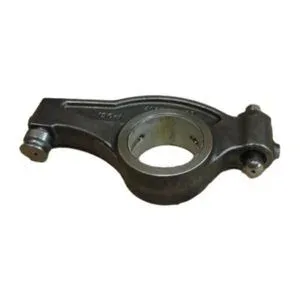
System-Matched Rebuild Sets — Rocker lever 4065636 (cross-reference only) validated across CM platform variants before inclusion in your overhaul kit.
Technical Specifications
| Parameter |
Value |
| Product Type |
Rocker Arm |
| Part Number |
4065636 |
| Cross-Reference |
4065636 (reference only) |
| Machine Fitment |
K19, QSK19 CM500, QSK19G, QSK45 CM500, QSK60 CM2150 K132M, QSK60 CM2150 MCRS, QSK60 CM2150 MCRS G, QSK60 CM2150 MCRS M, QSK60 CM2250 K112, QSK60 CM2350 K116, QSK60 CM2350 K117, QSK60 CM2350 K121, QSK60 CM2350 K135, QSK60 CM2350 K136, QSK60 CM2350 K149M, QSK60 CM500, QSK60 CM850 MCRS, QSK60 G CM2358 K110, QSK60G |
| Material |
Forged 42CrMo alloy steel |
| Surface Treatment |
Case-hardened contact surfaces, phosphate + oil anti-corrosion finish |
| Assembly State |
New Aftermarket |
| Warranty |
3–12 months against manufacturing defects |
| MOQ |
1 piece |
| Quality Standard |
ISO 9001 |
Application Suitability
| Engine System |
Related Components |
| Valve Train |
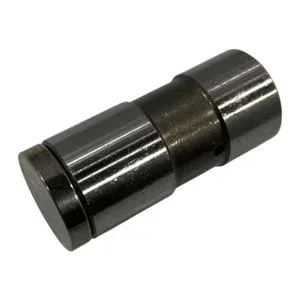
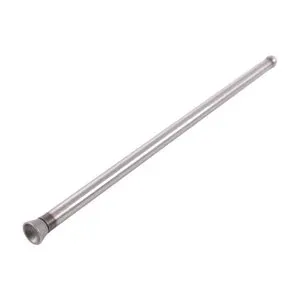
Push rods, valve bridges, hydraulic lash adjusters |
| Cylinder Head Assembly |
Valve stem seals, guide seals, head gasket sets |
| Lubrication Feed |
Rocker shaft oil passages, camshaft bearings |
| Overhaul Kit Contents |
Full gasket set, piston ring sets, bearing shells |
Why Valve Train Rebuilds Fail After the First Start-Up
A rocker lever is never the only worn part in that system.
I have opened K19 cylinder heads after a fresh rebuild where the new rocker lever wore prematurely because the push rod seat was already dished from the previous owner's service interval. The fault was not the replacement part; it was the adjacent component left untouched. In continuous-duty applications like mining gensets and standby power units, this oversight leads to repeat teardowns that consume weeks of downtime [NEED_CITE: diesel engine valve train wear progression and rebuild sequencing]. Every engine rebuild replacement should address the full force transmission path from cam lobe to valve stem, not just the component that finally broke.

The Valve Train as a Matched Force Transmission Chain
The rocker lever transfers actuation force from the camshaft through the push rod to the valve bridge. In the K19 and QSK60 platforms, the pivot geometry must align precisely with both the push rod tip and the valve bridge contact face. When you install a new rocker lever against a worn push rod ball end, the contact patch shifts and concentrates stress on one edge. This is where Rocker Lever engine rebuild replacement becomes a system decision rather than a single-part swap.
Serial Variants That Change Internal Clearances
The QSK60 family spans several CM platform variants—CM2150, CM2250, CM2350, CM850—each with documented differences in valve train geometry and lubrication routing. A part that fits the CM2150 MCRS may share the same base number as a CM2350 variant yet require different associated fasteners or bushing dimensions [NEED_CITE: Cummins QSK60 CM platform variant internal component differences]. Verifying your engine serial against the specific CM designation prevents the situation where the lever physically installs but the rocker shaft clearance or oil feed alignment is marginal.
Reading the Specifications Against Rebuild Reality
The 42CrMo alloy steel forging provides the core strength needed to handle repeated valve spring loading without deflection. Case-hardened contact surfaces resist the sliding wear at the push rod cup and valve bridge interface, which is the primary failure mode in high-cycle engines running thousands of hours between overhauls. The phosphate and oil finish prevents corrosion during storage and provides initial break-in lubrication—critical because the oil feed to the rocker assembly may not pressurize immediately on first cranking [NEED_CITE: surface treatment requirements for forged valve train components]. These material choices matter most when the engine will return to continuous standby or prime power duty where unplanned valve train noise signals an expensive problem.
What Wrong Grade or Missing Context Costs You
Installing a dimensionally correct rocker lever in an engine where the root cause was lubrication starvation simply guarantees the new part will fail at the same interval as the old one. I have seen QSK45 units come back for a second head teardown because the rocker shaft oil passage was partially blocked and nobody checked it during reassembly. The cost is never just the part—it is the labor, the machine availability, and the credibility loss with the equipment owner who expected the rebuild to hold.
What We Confirm Before Your Consignment Ships
Our production and sourcing lines carry the same warranty terms, so whether this Rocker Lever engine rebuild replacement comes from our own facility or a qualified partner, the QC protocol is identical. We verify cross-references against superseded numbers so you receive the current applicable revision. Our Guangzhou warehouse stocks common K19 and QSK60 valve train items for consolidated dispatch alongside your gasket sets, piston ring kits, and bearing shells. You can request dimensional inspection records and surface hardness validation before shipment. For bulk orders, we supply samples so your rebuild shop can confirm fitment on a core engine before committing to the full set.
Documentation & Verification
- Commercial invoice listing part number 4065636 with full CM variant compatibility notes
- Cross-reference sheet confirming applicable superseded rocker lever numbers (reference only)
- Dimensional and hardness inspection record per piece for QSK60 sets
- Warranty certificate covering material and manufacturing defects for 3–12 months
- Packing photographs showing valve train components protected against transit damage
- HS code and export documentation for cross-border customs clearance
Installation & Rebuild Sequence
- Inspect rocker shaft journals and oil passages for scoring before fitting the new lever
- Verify push rod ball end and valve bridge contact face condition during disassembly
- Confirm oil feed alignment at the rocker shaft after torque sequence completion
- Replace valve stem seals and guide seals in the same teardown to avoid reopening
- Check hydraulic lash adjuster function on platforms equipped with automatic lash compensation
- Record valve lash settings after initial run-in for future maintenance baseline
What We Need to Quote Your Rebuild
Provide your engine serial number and CM platform designation so we can confirm internal component compatibility. If you are quoting a full overhaul, share your teardown list or the specific sub-assemblies you plan to replace, and we will identify which associated components ship together. Photos of nameplates or worn component markings help us verify cross-references before you commit.
Frequently Asked Questions
Q: What other valve train components should be replaced together with the rocker lever during an overhaul?
A: Push rods, valve bridges, and rocker shaft bushings should be evaluated at every teardown. On K19 and QSK60 platforms, hydraulic lash adjusters—if equipped—often show internal wear that does not appear on visual inspection. Replacing these as a matched set prevents premature contact surface failure and repeat head removal.
Q: Does the QSK60 CM2150 use the same rocker lever as the CM2350 variant?
A: Base part numbers can overlap across CM platforms, but associated fasteners, bushing dimensions, and oil routing details may differ. We verify your exact engine serial against the CM variant to confirm full compatibility before dispatch, including any superseded numbers that affect fitment.
Q: How do I confirm whether my engine serial requires this specific rocker lever?
A: Send the engine serial number and, if available, a photo of the existing lever or the engine nameplate. We cross-reference the serial against the applicable CM platform and production range to verify whether 4065636 is the correct revision for your specific build.
Q: Is this rocker lever included in standard overhaul kits or ordered separately?
A: Overhaul kits vary by supplier. Many standard kits cover gaskets, piston rings, and bearings but exclude rocker levers and push rods. We recommend checking your kit contents list against the full teardown requirement and ordering any missing valve train components in the same consignment.
Q: What system-level faults can cause premature rocker lever failure beyond the part itself?
A: Lubrication starvation from blocked rocker shaft oil passages, valve timing drift affecting cam lobe contact, and worn push rod seats all transfer abnormal loads to the lever. Diagnosing the root cause during teardown ensures the Rocker Lever engine rebuild replacement holds through the next full service interval.

![10794 → 1+0+7+9+4 = 21 → 21 mod 6 = 3 → 句式3:[品牌/机型]-Compatible [品类词] – [站点修饰词] 21 mod 5 (修饰词池长度: Engine Grade / Rebuild Kit / Matched Set / Overhaul Component / Powertrain / System-Matched → 6个) = 21 mod 6 = 3 → Overhaul Component Hino J08E-Compatible Connecting Rod – Overhaul Component](https://xunpomachineryparts.com/wp-content/uploads/2026/09/10794-e28692-10794-21-e28692-21-mod-6-3-e28692-e58fa5e5bc8f3efbc9ae59381e7898c-e69cbae59e8b-compatible-e59381e7b1bbe8af8d-e7ab99-388141.webp)
