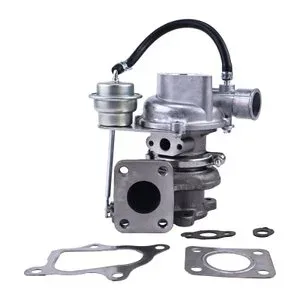
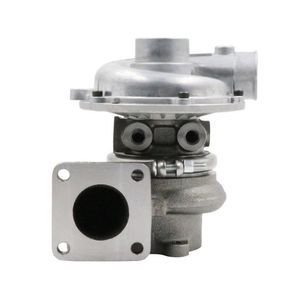
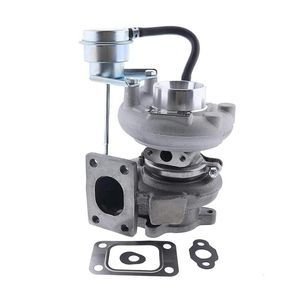
Engine Serial Variant Confirmed — each RHF3H turbocharger is cross-checked against Kubota V2607-DI or V2607T aspiration tuning before dispatch.
Technical Specifications
| Parameter |
Value |
| Part Number |
7000677/7020831 |
| Product Type |
Turbocharger |
| Cross-Reference |
7000677 (reference only), 7020831 (reference only) |
| Machine Fitment |
Kubota V2607-DI, Kubota V2607T, Bobcat S160, Bobcat S185, Bobcat S205, Bobcat S550, Bobcat S570, Bobcat S590, Bobcat T180, Bobcat T190, Bobcat T550, Bobcat T590 |
| Turbine Housing Material |
Ni-Resist D5S ductile iron |
| Compressor Wheel Material |
7075-T6 aluminum alloy |
| Shaft Assembly |
Dual ceramic ball bearings |
| Bearing Rating |
120,000 rpm |
| Thermal Stability |
up to 750°C exhaust gas temperature |
| Sealing Surface Roughness |
ISO 4287 Ra ≤ 0.8 μm |
| Actuator Diaphragm |
EPDM rubber with brass reinforcement |
| Actuator Test Cycles |
50,000 cycles at 0.5–2.5 bar control pressure |
| Bench Testing |
120,000 rpm under simulated load |
| Ambient Operating Temperature |
up to 45°C |
| Condition |
New Aftermarket |
| Warranty |
6 months against manufacturing defects |
| Standards |
ISO 9001, ISO 4287, ISO 8573-1 Class 2, JIS B 8391:2017 |
Application Suitability
| Engine System |
Related Components |
| Intake and boost system |
Air filter element, intake boot clamps, intercooler hoses |
| Lubrication feed and drain |
Oil feed line gaskets, drain flange O-rings, oil filter |
| Crankcase ventilation |
PCV valve, breather hoses, oil separator |
| Exhaust downstream |
Exhaust manifold gasket, flex pipe, muffler mounting hardware |
Why the Same RHF3H Part Number Ships in Multiple Configurations
Engine serial number determines boost curve, not just physical bolt pattern.
The Kubota V2607-DI and V2607T share the same base block architecture, yet their aspiration tuning differs. When a workshop orders an RHF3H turbocharger engine replacement based solely on machine model, the unit may bolt on but deliver incorrect boost pressure at operating rpm. [NEED_CITE: engine aspiration tuning variants within shared diesel block families]. A turbo that physically mounts but produces the wrong boost curve causes elevated exhaust gas temperatures, accelerated piston crown erosion, and premature turbo bearing failure. I have seen skid steer loaders returned to the bench within weeks because the root cause was a mismatched boost profile, not a defective unit.
Boost System Context and Adjacent Component Dependency
A failed turbocharger rarely fails in isolation. This RHF3H turbocharger engine replacement sits downstream of the air filter and upstream of the intake manifold. When a unit shows premature bearing wear, the oil feed line often carries carbon deposits from degraded oil, or the air filter housing has allowed dust ingestion past a cracked seal. Inspecting the air filter element, checking oil supply and drain lines for restriction, and verifying crankcase ventilation condition must happen during the same service event. Replacing the turbo without addressing these upstream and downstream factors leaves the new unit exposed to the same failure mode.
Engine Serial Verification and Variant Matching
Kubota V2607-DI and V2607T engines carry different internal calibration settings that affect how the turbocharger responds under load. The engine serial number plate confirms which variant is installed, and this serial must be matched against the turbocharger's boost specification before installation. [NEED_CITE: engine serial variant identification for compact diesel platforms]. Ordering by machine model alone — such as Bobcat S185 or T590 — does not guarantee the correct turbo variant arrives. Confirm the engine serial, photograph the existing unit's data plate, and provide both to the technical team for cross-reference verification.
Material Selection and Thermal Load Management
The turbine housing uses Ni-Resist D5S ductile iron, chosen for its resistance to thermal fatigue under repeated heat cycles typical in skid steer duty. Exhaust gas temperatures reach 750°C during sustained loading in demolition or quarry applications. The compressor wheel is machined from 7075-T6 aluminum alloy, which maintains dimensional stability at high rotational speeds up to 120,000 rpm. Dual ceramic ball bearings in the shaft assembly reduce friction compared to conventional journal bearings, extending service life in high-dust environments where oil contamination risk is elevated. The EPDM actuator diaphragm with brass reinforcement withstands 50,000 pressure cycles, ensuring consistent boost control throughout the unit's service interval.

The Cost of Skipping Root-Cause Diagnosis
Installing a new turbocharger on an engine with unresolved oil contamination or restricted drain lines leads to repeat failure, often within the first few hundred operating hours. Workshops that treat turbo replacement as a swap rather than a system-level repair accumulate unnecessary downtime and parts spend. [NEED_CITE: turbocharger failure root cause analysis in mobile diesel applications]. The bearing surfaces, precision-ground to ISO 4287 Ra ≤ 0.8 μm, cannot survive sustained exposure to abrasive particles in contaminated oil. Confirm oil analysis results and crankcase ventilation function before the new unit is mounted.
What This Supply Channel Provides
Own production lines and qualified sourced supply operate under a single warranty framework, so whether this RHF3H turbocharger engine replacement comes from the in-house facility or a certified partner, the QC terms are identical. Eight product categories — including engine parts, filtration, seal kits, and electrical — allow a complete induction system refresh to ship as one consignment. Minimum order starts at one piece for emergency replacements. The technical team verifies compatibility from engine serial number, machine model, or photographs of the existing unit's data plate. Cross-reference verification covers superseded and alternate part numbers to prevent variant mismatch. Sample units are available for fitment confirmation before bulk commitment.
Documentation & Verification
- Commercial invoice and packing list with engine serial and turbo variant noted per line item
- Part compatibility and cross-reference sheet showing 7000677 and 7020831 as reference only
- Pre-shipment bench test record covering boost pressure, rotational balance, and oil seal integrity
- Warranty terms specifying 6-month coverage against manufacturing defects in material and workmanship
- Packing photographs taken before crate closure showing protective wrapping on turbine and compressor housings
- HS code and customs documentation support for international freight forwarding
Installation & Rebuild Sequence
- Verify oil feed and drain lines are clear of carbon buildup before mounting the RHF3H unit to the manifold
- Replace intake boot clamps and drain flange O-rings with new components during the same service event
- Torque turbine housing bolts to specification and confirm actuator rod travel within 0.5–2.5 bar range
- Pre-lube the turbocharger oil inlet with clean engine oil before first cranking to prevent dry-start bearing damage
- Run the engine at idle for several minutes after start-up, monitoring for oil leaks and abnormal boost readings
Request a Fitment-Verified Quote
Provide your engine serial number and, if available, a photograph of the existing turbocharger data plate. Include the machine model and any known engine rebuild history so the correct boost variant and matched gasket set can be confirmed. The technical team will return a compatibility-verified quote with companion consumables listed in the same consignment.
Frequently Asked Questions
Q: What other engine components should be inspected or replaced when swapping the turbo?
A: The air filter element, intake boot clamps, oil feed line gaskets, and drain flange O-rings should all be renewed during the same service event. Check the oil filter and crankcase ventilation system for restriction or contamination. Addressing these adjacent components prevents the new turbocharger from inheriting the same failure cause that destroyed the previous unit.
Q: How do I confirm whether my V2607-DI or V2607T engine serial matches this turbo variant?
A: Locate the engine serial number plate on the block and photograph it along with the existing turbocharger's data plate. Submit both to the technical team for cross-reference verification against the boost curve specification. Physical bolt pattern alone does not confirm correct aspiration tuning for your specific engine variant.
Q: What oil system checks are needed before installing a replacement turbo to prevent repeat failure?
A: Verify oil feed and drain lines are free of carbon deposits and restriction. Review recent oil analysis results for elevated wear metals or contamination indicators. Confirm crankcase ventilation is functioning correctly, as excessive blow-by pressure restricts turbo oil drain and accelerates bearing wear. These checks must be completed before the new unit is mounted.
Q: Can I order the turbo together with matched gaskets, filters, and oil line seals in one shipment?
A: Yes. The supply covers eight product categories under one account, so the turbocharger, air filter element, oil filter, intake boot clamps, and oil line gaskets can ship as a single consignment. This eliminates split freight and ensures all components arrive together for the scheduled service event.