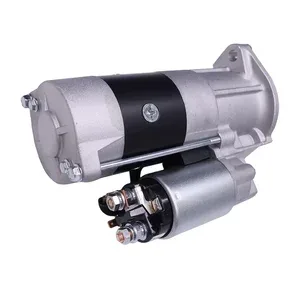
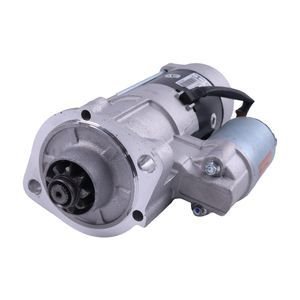
Engine Serial Variants Confirmed — Every 25-39476-00 starter motor ships only after matching the CT4-134DI Tier 4 engine build sheet to the correct 9-tooth, 12V configuration.
Technical Specifications
| Parameter |
Value |
| Part Number |
25-39476-00 |
| Product Type |
Starter Motor |
| Voltage |
12V |
| Tooth Count |
9T |
| Condition |
New Aftermarket |
| Cross-Reference |
25-39476-00 (reference only), 25-39476-00SV (reference only), 253947600 (reference only), 253947600SV (reference only) |
| Machine Fitment |
Genesis 1000, Genesis TM900, Extra XT, X4 7500, X4 6600 MT, Ultima XTC, ULTRA XL, ULTRA XTC, ULTRA XT, Vector 8600MT, X2 1800, X2 2100, X2 2100A, X2 2100R, X2 2500A, X2 2500R |
| Quality Standard |
ISO 9001 |
Application Suitability
| Engine System |
Related Components |
| Electrical cranking circuit |
Solenoid relay, battery cables, terminal lugs |
| Flywheel interface |
Ring gear condition, tooth engagement depth |
| Charging system |
Alternator output, voltage regulator, belt tension |
| Engine control module |
Crank signal wiring, fuse integrity |
Why the Same Part Number Ships in Multiple Variants
Confirm the engine serial number before ordering any starter motor engine replacement.
A starter motor that cranks slowly or fails within months often traces back to a mismatched variant or an unresolved electrical fault elsewhere in the circuit. On the CT4-134DI Tier 4 platform, production changes across serial ranges altered flywheel housing depth and ring gear positioning, meaning two units carrying the same base designation can require different pinion throw distances. I have seen a 9T starter physically bolt on but sit two millimeters too far from the ring gear, causing partial tooth engagement and accelerated wear on both components. The root cause was never the starter itself — it was the failure to cross-check the engine serial against the variant table before procurement [NEED_CITE: engine serial variant identification procedures for transport refrigeration units].

The Cranking Circuit as a System, Not a Single Part
This starter motor engine replacement sits within the engine electrical auxiliary system, and its service life depends directly on the health of every connected component. The solenoid must deliver full engagement force before the pinion contacts the ring gear; a weak solenoid allows partial mesh, which grinds teeth off both the starter drive and the flywheel ring. Battery cable resistance, corroded terminal lugs, and undersized wiring all reduce cranking voltage below the threshold this 12V unit requires for proper torque output.
Engine Serial Variants and What They Change
The CT4-134DI Tier 4 platform went through running production changes that affect starter fitment. Earlier builds used a different flywheel housing casting than later Tier 4 certified versions, altering the mounting flange standoff distance. When replacing a starter on these Carrier refrigeration units — whether on a Genesis 1000 or a Vector 8600MT — the engine serial number determines which variant is correct. Ordering by base number alone without serial verification risks receiving a unit that either cannot reach the ring gear or presses too hard against it [NEED_CITE: running production changes in transport refrigeration diesel engines].
Reading the Specs That Actually Matter
The 12V rating defines the electrical system this unit is designed for; installing it in a 24V circuit, even momentarily during troubleshooting, will destroy the armature windings. The 9T tooth count must match the ring gear module — a mismatch of even one tooth in the count specification means the pinion will never seat fully, producing the grinding noise that technicians sometimes misdiagnose as a bent shaft. The new aftermarket condition means all internal components — brushes, bushings, commutator — start at zero wear, which matters because a rebuilt unit with turned commutator segments loses surface area for brush contact and shortens its own service life.
What Happens When the Wrong Variant Gets Installed
A starter that is dimensionally close but not serial-matched to the specific CT4-134DI build will either fail to engage or engage with improper tooth overlap. The first scenario leaves the refrigeration unit unable to start, which on a loaded trailer means cargo temperature drift begins within minutes. The second scenario is quieter but costlier: partial mesh wears the ring gear teeth into a hooked profile, and by the time the starter is replaced a second time, the flywheel ring gear must also be changed — doubling the parts cost and requiring engine-out access on some Carrier installations [NEED_CITE: flywheel ring gear inspection intervals for transport refrigeration engines].
Why Procurement from This Source Works
Selected starter lines are produced in-house while the remainder is sourced from ISO 9001 qualified manufacturing partners, and both carry identical quality control and warranty terms. Eight product categories mean the solenoid, wiring harness connectors, and battery terminal lugs needed alongside this starter motor ship in one consignment. Orders start from one piece, so a single emergency replacement does not require padding an MOQ. Compatibility verification covers engine serial cross-referencing, superseded part numbers, and variant differences within the same base designation. Technical support is available for cranking performance confirmation and grade matching before commitment.
Documentation & Verification
- Commercial invoice listing the verified engine serial variant alongside the starter part number
- Cross-reference sheet showing alternate and superseded numbers marked as reference only
- Quality inspection record documenting cranking torque and no-load current draw test results
- Warranty terms specifying coverage duration against manufacturing defects
- Packing photographs confirming protective wrapping on the pinion drive and electrical terminals
Installation & Rebuild Sequence
- Clean the mounting flange surface on the flywheel housing before installation to ensure full seating contact
- Verify battery cable resistance and terminal condition; voltage drop under cranking load must stay within specification for this 12V unit
- Check ring gear tooth condition through the starter opening — hooked or chipped teeth require ring gear replacement before the new starter goes in
- Torque mounting bolts to the engine manufacturer specification; uneven torque distorts the starter housing and misaligns the pinion axis
- Perform a no-load bench spin before installation to confirm the drive extends and retracts freely
Preparing Your Inquiry
Provide the engine model designation, engine serial number, and any previous rebuild history so the correct variant can be confirmed before dispatch. If the nameplate is worn or painted over, a photograph of the mounting area and the old unit's drive end is enough to verify fitment. Share the fault symptom — slow crank, no engagement, or repeated premature failure — so the technical team can advise whether associated electrical components should be included in the order.
Frequently Asked Questions
Q: How do I confirm the correct starter for my specific engine serial variant?
A: Provide the full engine serial number from the CT4-134DI nameplate or the Carrier unit data tag. The serial determines which flywheel housing casting was used and therefore which pinion throw distance is required. If the plate is unreadable, a photograph of the old starter's mounting flange and drive end allows identification by physical dimensions.
Q: What other engine electrical components should I check or replace at the same time?
A: Inspect the solenoid relay for proper engagement force, measure battery cable resistance under load, and check all terminal lugs for corrosion. A weak solenoid or high-resistance cable starves this 12V starter of the current it needs, causing premature failure that has nothing to do with the starter itself.
Q: Why did my previous starter fail prematurely and how do I prevent it?
A: The most common cause is an unresolved fault in the cranking circuit — undersized wiring, corroded connections, or a failing solenoid that allows partial pinion engagement. Before installing the replacement, verify the entire circuit delivers adequate voltage under cranking load and that the flywheel ring gear teeth show no hooking or chipping.
Q: How do I identify my engine model when the nameplate is worn?
A: Photograph the old starter from multiple angles showing the mounting flange, pinion gear, and any cast or stamped numbers on the housing. Carrier refrigeration unit model badges on the trailer body also help narrow the engine platform. The technical team can cross-reference these images against known configurations to confirm the correct fitment.