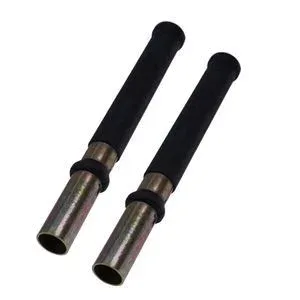
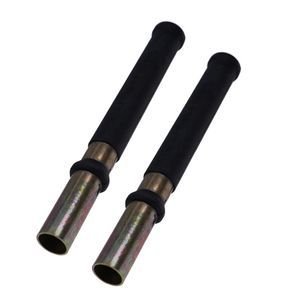
Matched Set Dispatch — oil cooler pipe plug, seals, and gaskets ship together so the Deutz block never waits on a missing component.
Technical Specifications
| Parameter |
Value |
| Part Number |
04179404 |
| Product Type |
Oil Cooler Pipe Plug |
| Cross-Reference (reference only) |
04179404, 04178036, 4179404, 4178036 |
| Machine Fitment |
Deutz DL2011, BFL2011, BFL1011, 1011, 2011 |
| Condition |
New Aftermarket |
| Material |
Forged Carbon Steel |
| Thread Profile |
Trapezoidal |
| Surface Treatment |
Black Oxide Finish |
| Pressure Testing |
5.0 bar for 60 seconds prior to shipment |
| Dimensional Tolerances |
±0.05 mm on outer diameter and thread major diameter |
| Corrosion Resistance |
72 hours salt-spray test (ASTM B117) |
| Warranty |
3–12 months against manufacturing defects |
| MOQ |
1 piece |
| Standards |
ISO 9001, ISO 4042, ASTM B117 |
Application Suitability
| Engine System |
Related Components |
| Lubrication circuit sealing |
Oil cooler gaskets, O-rings, sealing washers |
| Coolant-oil separation barrier |
Oil cooler core, thermostat housing seals |
| Pressurized oil return path |
Oil filter housing gasket, breather valve |
| Block-mounted cooling junction |
Coolant pipe unions, block heater plugs |
What Causes Repeated Oil Cooler Pipe Plug Failure During Rebuild
A leaking plug is rarely the root fault — it is usually the last component to fail in a degraded cooler circuit.
When workshops replace the plug without inspecting the cooler core, mating threads, or adjacent seals, the same leak returns within the first operational hours. In my experience checking teardown reports from Gulf-region rebuild bays, emulsified oil traced back to this junction often involves thermal fatigue across the entire cooler assembly, not just one plug face. Cross-contamination between coolant and oil damages main bearings before the operator notices the milky residue on the dipstick [NEED_CITE: engine oil coolant cross-contamination failure modes in diesel rebuilds]. An Oil Cooler Pipe Plug engine rebuild must therefore be planned as a system-level correction, not a single-part swap.

Where This Plug Sits in the Deutz Lubrication and Cooling Circuit
The pipe plug closes the pressurized junction between the oil cooler core and the engine block gallery on Deutz DL2011 and BFL2011 platforms. Oil exiting the cooler passes through this sealed interface before returning to the main bearing feed. During an Oil Cooler Pipe Plug engine rebuild, the trapezoidal thread must engage fully with the block port to maintain system pressure under thermal cycling. If the thread form is damaged or the plug material cannot handle the operating temperature range, coolant can migrate into the oil gallery through micro-gaps that are invisible during a cold bench check.
Why Engine Serial Variants Dictate Plug Selection
Deutz 2011-series engines were produced across multiple build generations, and the cooler port geometry shifted between early and late serial ranges. The cross-reference numbers 04179404 and 04178036 represent different production phases; fitting the earlier variant into a later block can leave the thread partially exposed, reducing engagement depth. I have reviewed rebuild cases where the correct plug was sourced but the superseded number caused a half-thread engagement, leading to pressure loss during the first heat cycle [NEED_CITE: Deutz 2011 series engine serial variant differences in cooling circuit ports]. Always confirm the engine serial against the build record before locking in the part number for your overhaul kit.
Thread Profile, Material, and Pressure Integrity
The trapezoidal thread on this forged carbon steel plug is machined to ±0.05 mm tolerance on the major diameter, which directly controls how the sealing face seats against the block port. Black oxide treatment provides corrosion protection during storage and initial run-in, while the underlying steel must withstand repeated thermal expansion cycles between oil and coolant temperatures. The 5.0 bar pressure test applied before shipment confirms that the thread form holds under static load, though dynamic sealing depends equally on the mating surface condition inside the block. If the block port shows scoring or thread deformation from a previous over-torque event, the plug alone cannot restore a reliable seal regardless of its dimensional accuracy.
The Cost of Skipping the Cooler Circuit Inspection
Replacing the plug without verifying the oil cooler core integrity invites a second teardown. Coolant trapped in the oil gallery degrades bearing shells, cam journals, and turbocharger feed lines before the fault becomes visible at the dipstick. Workshops that treat the plug as an isolated component end up absorbing the labor cost of a repeat disassembly, which typically exceeds the cost of a full cooler circuit inspection done during the first build [NEED_CITE: diesel engine rebuild secondary damage from coolant ingestion]. The system-level approach costs marginally more at the parts counter but eliminates the risk of a warranty claim on a fresh overhaul.
Why Source This Component Through XUNPO
Selected part lines are produced in-house while the remainder is sourced from ISO-certified manufacturing partners, and both carry identical QC and warranty terms. The lubrication and cooling system components ship alongside engine overhaul gaskets, piston sets, and bearing shells under one account and one consolidated consignment. Minimum order starts at one piece, so a single emergency plug does not force a bulk commitment. The technical team verifies cross-reference numbers against engine serial data and can confirm whether 04179404 or the superseded 04178036 matches your specific build. Sample supply is available for fitment confirmation before you commit to a full rebuild kit quantity.
Documentation & Verification
- Commercial invoice listing each oil cooler circuit component by line item and serial reference
- Cross-reference sheet mapping 04179404 and 04178036 to applicable Deutz serial ranges (reference only)
- Dimensional inspection record covering thread major diameter and outer diameter tolerances
- Pressure test certificate confirming 5.0 bar hold for 60 seconds on each shipped plug
- Packing photographs showing anti-static foam protection around black oxide finished surfaces
- HS code declaration and customs documentation support for Gulf and African port clearance
Installation & Rebuild Sequence
- Clean block port threads with a thread chaser before inspecting for deformation or scoring marks
- Verify trapezoidal thread engagement depth by hand-starting the plug before applying torque
- Replace oil cooler O-rings and sealing washers as a matched set during this installation step
- Torque to specified value and re-check after the first full heat cycle completes
- Run initial oil pressure check at idle and inspect the plug junction for micro-weeping before loading
Request a System-Level Quotation
Provide your Deutz engine model, serial number, and any previous rebuild history so we can confirm the correct plug variant and identify other cooler circuit components due for replacement. If the engine nameplate is worn, send a photograph of the block casting number and we will cross-reference against production records.
Frequently Asked Questions
Q: What other oil cooler circuit components should be replaced together during overhaul?
A: The O-rings, sealing washers, and cooler core gaskets should be replaced as a matched set whenever the pipe plug is removed. Reusing old seals introduces a secondary leak path that undermines the new plug. Our overhaul kits for Deutz 2011-series engines consolidate these items so the entire cooler circuit is addressed in one build cycle.
Q: How do engine serial variants affect pipe plug fitment on the same Deutz model?
A: Early and late production serials within the DL2011 and BFL2011 range can have different cooler port geometries. The cross-reference numbers 04179404 and 04178036 correspond to distinct build phases. Confirming your engine serial before ordering ensures the thread engagement depth matches your specific block casting.
Q: Does the overhaul gasket kit include this pipe plug or is it ordered separately?
A: Many standard Deutz overhaul gasket sets exclude the oil cooler pipe plug because it is classified as a hardware item rather than a gasket. Verify your kit contents against the cooler circuit parts list before the block goes on the stand. We supply the plug and matching seals together to close this gap.
Q: What system-level fault could cause repeated pipe plug failure after replacement?
A: A cracked oil cooler core, warped mating surface, or degraded block port thread can all cause a new plug to leak within the first hours of operation. The plug itself is rarely the root cause. A full cooler circuit pressure test and visual inspection during teardown identifies these faults before reassembly begins.