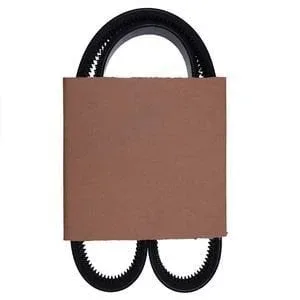
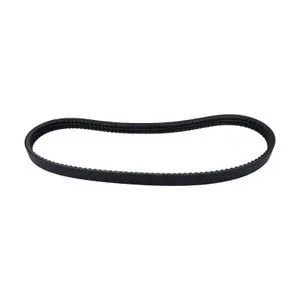
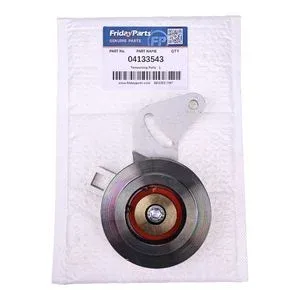
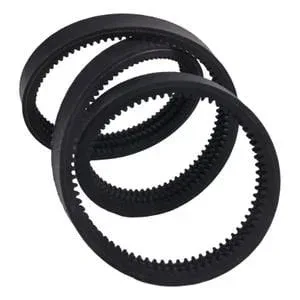
Matched Set Dispatch — Cogged belt with adjacent tensioner and pulley verification ensures the Bobcat S175 pump drive is addressed as a complete system.
Technical Specifications
| Parameter |
Value |
| Part Number |
6667322 |
| Product Type |
Belt |
| Cross-Reference |
6667322 (reference only) |
| Machine Fitment |
S130, S150, S160, S175, S185, S205, T140, T180, T190, 653, 751 |
| Construction |
Flat, cogged drive belt with 3 grooves |
| Material |
Fiber-loaded backing with additional cord support |
| Condition |
New Aftermarket |
| Warranty |
6-month standard warranty against manufacturing defects |
| Packaging |
Individual retail box with protective foam lining |
| Standards |
ISO 9001 |
Application Suitability
| Engine System |
Related Components |
| Hydraulic Pump Drive |
Main Pump Tensioner Assembly, Drive Pulley, Alternator Belt |
| Cooling System |
Fan Belt, Water Pump Pulley, Thermostat Housing Gasket |
| Engine Front Cover |
Crankshaft Seal, Timing Cover Gasket, Vibration Damper |
| Engine Overhaul |
Complete Engine Rebuild Kit, Cylinder Head Gasket Set |
| Preventive Maintenance |
Hydraulic Filter, Engine Oil Filter, Air Filter Element |
Why a Single Main Pump Drive Belt 6667322 Rarely Solves the Failure
Replacing the belt without checking the tensioner and pulley alignment invites a repeat failure within the first week.
When a skid steer loader like the S175 arrives in the shop with a shredded drive belt, the physical evidence on the old part often points beyond simple wear. We have documented instances where the main pump drive belt engine rebuild was required because a misaligned pulley created a shear point that sliced through the fiber-loaded backing. If the root cause is not addressed during the repair, the new component will fail rapidly. [NEED_CITE: principles of power transmission alignment and belt failure analysis] The goal of an engine system-level repair is to identify whether the failure originated from the consumable itself or from a systemic issue within the drive train.

The Belt's Role Within the Power Transmission System
This component sits at the critical junction between the engine crankshaft and the hydraulic main pump. The main pump drive belt engine rebuild process requires understanding that this belt transmits the full torque necessary to generate hydraulic flow for the loader's lift and tilt functions. A slip here means a loss of machine power, not just a warning light on the dash. The system relies on matched tolerances between the belt grooves and the pulley sheaves to maintain grip under high-cycle digging and grading loads.
Engine Serial Variants and the Fitment Trap
One of the most common errors we see in engine overhaul planning is ordering based solely on the machine model. Bobcat S175 and S185 units, for instance, may be equipped with different engine generations or displacement variants that dictate a specific pulley groove profile. A belt with a 3-groove cogged design must engage perfectly with the corresponding pulleys; a mismatch of even one millimeter in the groove pitch will cause the belt to ride high and jump teeth under load. [NEED_CITE: engine serial number variation impact on component compatibility] We cross-reference the specific engine serial number to ensure the cogged belt profile matches the exact pulley variant installed on your machine, preventing a situation where the part number is correct but the physical fitment is impossible.
Material Construction and Thermal Management
The fiber-loaded backing and additional cord support are engineered to resist the heat generated within the enclosed engine compartment of a skid steer loader. In environments like quarry loading or port material handling, ambient temperatures combine with engine heat to challenge standard rubber compounds. The cogged profile increases surface area and flexibility, allowing the belt to wrap tightly around smaller diameter pulleys without internal heat build-up that leads to cracking. This construction directly supports the sustained hydraulic flow required for demolition projects where the machine runs at high RPM for extended periods.
The Systemic Cost of Ignoring Root Cause Analysis
Installing a new belt on a system with a worn tensioner bearing or a glazed pulley surface results in immediate rework. The downtime cost from a second tear-down far exceeds the initial parts investment. [NEED_CITE: mobile equipment maintenance scheduling and rework costs] When a machine returns to the site only to throw the belt again, it undermines the workshop's credibility and delays the contractor's project timeline. True reliability comes from treating the belt drive as a system, replacing the tensioner and verifying the damper condition simultaneously.
Engine System Supply from a Single Technical Partner
Our approach focuses on the complete job rather than a single line item. We provide the matched set—belt, tensioner, and related seals—under one account with one warranty, ensuring all components are verified for the same engine serial variant. Our technical team reviews the machine model and engine number to confirm compatibility before dispatch, avoiding the trial-fitment gamble. With stock available for fast dispatch on common service items and a minimum order of one piece, we support both emergency repairs and planned fleet overhauls. The documentation includes a compatibility sheet and quality inspection record, giving the rebuild shop confidence in the system-level supply.
Documentation & Verification
- Commercial invoice detailing the specific engine serial variant matched.
- Cross-reference sheet verifying interchange numbers for Bobcat fitment.
- Dimensional check record confirming 3-groove profile and pitch.
- Warranty terms document covering the 6-month defect period.
- Packing photographs showing protective foam lining before crating.
- HS code classification support for international customs clearance.
Installation & Rebuild Sequence
- Verify crankshaft pulley runout before installing the new cogged belt to prevent vibration.
- Check tensioner bearing play; replace if any radial movement is detected.
- Align pulley sheaves using a straight-edge to ensure the belt tracks centrally.
- Apply specified torque to the tensioner bolt to achieve correct deflection.
- Run the engine at idle for ten minutes, then re-check tension after warm-up.
Request System-Level Verification
To ensure the main pump drive belt engine rebuild kit matches your specific machine configuration, please provide the Bobcat model designation along with the engine serial number found on the block nameplate. If the nameplate is illegible, a clear photograph of the old belt part number and the pulley profile will allow our technical team to identify the correct variant and confirm the matched set requirements for your overhaul.
Frequently Asked Questions
Q: Do I need to replace the tensioner and pulleys when changing the main pump drive belt?
A: It is strongly recommended to inspect the tensioner bearing and pulley surfaces during every belt change. A worn tensioner will not maintain proper tension, causing the new belt to slip and overheat. In many engine rebuild scenarios, replacing the tensioner assembly as a matched set prevents premature failure and ensures the new belt achieves its intended service life within the hydraulic drive system.
Q: How do engine serial variants affect belt compatibility on the same Bobcat model?
A: Bobcat machines like the S175 may have different engine manufacturers or displacement versions across production years. These variants often use pulleys with different groove counts or pitches. We verify the specific engine serial number against our fitment database to ensure the 3-groove cogged design matches your exact pulley profile, preventing installation issues that arise from relying on the machine model alone.
Q: What indicates that belt failure is a systemic issue rather than normal wear?
A: Signs of systemic failure include uneven wear patterns, fraying on one side, or chunks missing from the cogged profile. These symptoms often point to pulley misalignment, a seized tensioner, or debris contamination. Our technical support can help interpret these wear patterns to identify the underlying fault, ensuring the replacement addresses the cause and not just the symptom.
Q: Can I order a sample to verify the groove profile before a bulk purchase?
A: Yes, we supply samples for fitment confirmation before you commit to a full fleet overhaul. This allows your workshop to physically verify the 3-groove cogged design against your specific pulley sheaves, ensuring the interface is correct and the fiber-loaded backing meets your quality standards before the main shipment is dispatched.