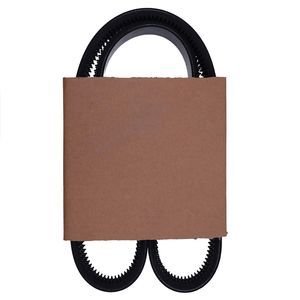
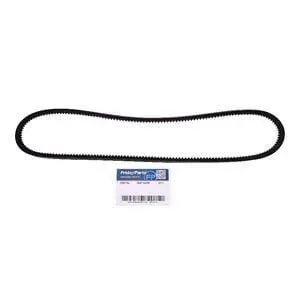
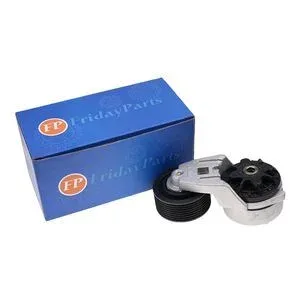
Matched Set Shipped — Pulleys, tensioners, and seals verified against belt drive system variant before dispatch.
Technical Specifications
| Parameter |
Value |
| Part Number |
6667322 |
| Product Type |
Belt |
| Cross-Reference |
6667322 (reference only) |
| Machine Fitment |
S130, S150, S160, S175, S185, S205, T140, T180, T190, 653, 751 |
| Construction |
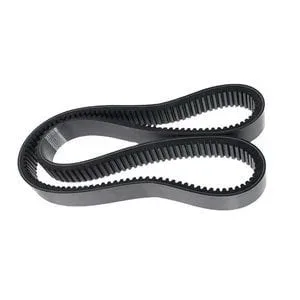
Flat, cogged drive belt with 3 grooves |
| Material |
Fiber-loaded backing with internal cord reinforcement |
| Condition |
New Aftermarket |
| Warranty |
6-month standard warranty against manufacturing defects |
| Minimum Order |
1 piece |
| Quality Standards |
ISO 9001, ISO 4184, SAE J1459 |
Application Suitability
| Engine System |
Related Components |
| Hydraulic Pump Drive |
Tensioner assembly, idler pulleys, front crankshaft seal |
| Engine Front Cover |
Pulley alignment shims, belt guard hardware, accessory drive belts |
| Cooling Fan Drive (shared layout) |
Fan hub bearing, tensioner spring, vibration damper |
| Engine Overhaul Support |
Seal kit, gasket set, pulley retaining fasteners |
Why Belt Failures Return Within Weeks on Skid Steers
A broken belt is usually a symptom, not the root cause.
In demolition and quarry environments where Bobcat S175 and S185 loaders run continuous hydraulic cycles, the Main Pump Drive Belt 6667322 for Bobcat skid steer engine belt drive system takes abnormal stress when adjacent components degrade. I have reviewed returns where the belt lasted only weeks after replacement. In nearly every case, the tensioner bearing was already noisy, a pulley was misaligned by a worn bushing, or oil was migrating past a failing front seal onto the belt path [NEED_CITE: common belt drive failure root causes in compact loaders]. Replacing the belt without checking the system guarantees a second teardown.

The Belt Drive System as a Single Service Unit
This main pump drive belt transmits engine output directly to the hydraulic pump, meaning it handles the full shock load of cylinder stall and travel reversal. Every engagement cycle pulls against the tensioner and transmits vibration through the pulley bearings. When an engine rebuild shop or repair centre is quoting a belt drive service job, treating the Main Pump Drive Belt 6667322 for Bobcat skid steer engine belt drive system as a standalone line item misses the reality of how the system ages together. The belt, tensioner, pulleys, and shaft seals share the same thermal and contamination environment.
Matching the Service Kit to the Engine Build
Different production runs of the Bobcat S175 and T190 use variant front cover castings and pulley spacings that affect belt routing and tensioner geometry. Confirming the engine serial number is essential before locking in the belt specification. A machine that has already been through one overhaul may have non-standard shim stacks or aftermarket pulleys that alter the effective groove engagement. Fiber-loaded backing and internal cord reinforcement only deliver their rated service life when the pulley alignment and tensioner pressure match the original geometry [NEED_CITE: belt tension and alignment tolerances for hydraulic pump drives].
How Cogged Construction and Cord Layout Handle Hydraulic Load
The 3-groove cogged profile allows the belt to bend around relatively small pulley diameters without generating excessive internal heat, which is critical when the hydraulic pump cycles between neutral flow and stall pressure dozens of times per hour. Fiber-loaded backing resists the abrasion caused by dust ingress common on concrete demolition and municipal snow removal sites. Internal cord reinforcement provides torsional stiffness so the belt does not twist under the sudden torque spike of a loader bucket curling into a pile. Edge wear that appears on one side of the belt almost always points to pulley misalignment rather than a material defect.
What Happens When Only the Belt Gets Replaced
Skipping the tensioner and pulley check during a belt change leads to repeat failures that compound downtime across a fleet. A worn tensioner bearing introduces oscillation that saws the belt against the pulley flanges, destroying the cord structure from the inside while the outside looks intact. Oil contamination from a hardened front crankshaft seal glazes the belt surface, causing slip that burns the grooves. Repair centres that do not address the root cause end up with the same machine back on the bench within a single month [NEED_CITE: repeat belt failure patterns in compact equipment maintenance].
How This Belt Is Sourced and Verified
The belt is produced within a controlled supply chain where selected lines are manufactured in-house and the remainder is sourced from qualified ISO-certified partners, both carrying identical quality control and warranty terms. Part identification is confirmed against the machine model and engine serial number, not just the worn number on the old belt. Cross-reference verification covers superseded numbers that commonly appear in older service manuals. A sample can be dispatched for fitment confirmation before a fleet-level bulk commitment is placed. The technical team reviews pulley count, groove profile, and tensioner type to confirm the correct variant ships.
Documentation & Verification
- Commercial invoice listing belt part number and matched tensioner and seal line items
- Cross-reference sheet mapping 6667322 (reference only) to superseded numbers and machine serial ranges
- Dimensional inspection record covering groove width, cord placement, and belt circumference tolerance
- Six-month warranty terms document covering manufacturing defects in backing and cord structure
- Packing photographs showing belt coiling method and protective wrapping before crate closure
- HS code and customs documentation prepared for international belt drive component shipments
Installation & Rebuild Sequence
- Clean front cover mating surface and pulley grooves before laying the new belt to prevent cord abrasion
- Verify tensioner bearing rotation is smooth with no radial play before installing the belt
- Check pulley alignment with a straightedge across all three grooves to confirm coplanar tracking
- Route belt according to engine service manual diagram and apply tension per specified deflection value
- Run engine at idle for initial break-in and inspect belt tracking before applying hydraulic load
Quoting the Full Belt Drive Service Job
Provide the machine model, engine serial number, and any known overhaul history so the correct belt variant and matched components are confirmed. Photos of the existing tensioner, pulley faces, and front seal area help identify system issues that should be addressed in the same service window.
Frequently Asked Questions
Q: What other belt drive components should I inspect or replace when changing this belt?
A: The tensioner assembly, idler pulleys, and front crankshaft seal should all be inspected during a belt change. Worn tensioner bearings and hardened seals are the most common root causes of repeat belt failure. Ordering these as a matched set with the belt prevents a second teardown and keeps the machine in service.
Q: How do I confirm this belt matches my machine's specific engine build and serial variant?
A: Provide the machine model and engine serial number so the correct front cover variant and pulley layout can be confirmed. Previous overhaul history matters because non-standard shims or replacement pulleys can alter belt routing. Cross-reference verification covers superseded part numbers from older service documentation.
Q: What system-level issues commonly cause premature belt failure?
A: Pulley misalignment from worn bushings, oscillation from degraded tensioner bearings, and oil contamination from failing front seals are the primary causes. These conditions destroy the internal cord structure or glaze the belt surface. Addressing the root cause during belt replacement prevents the machine from returning to the workshop within weeks.
Q: Can I order matched tensioners, pulleys, and seals together with this belt?
A: Yes, tensioners, pulleys, and shaft seals can be consolidated into a single shipment alongside the belt. Supplying the machine model and engine serial number allows the correct variant of each component to be selected. Consolidated dispatch avoids split freight and ensures all parts arrive before the service job begins.
Q: How do I verify the correct belt specification if the old part number is worn or illegible?
A: A photograph of the old belt showing the groove count and profile, along with the machine model and engine serial number, is sufficient for identification. The technical team cross-references these details against known belt drive system variants to confirm the correct specification before dispatch.