Matched Set Dispatch — auxiliary electrical components verified against Kubota engine serial variants before packing
Technical Specifications
| Parameter |
Value |
| Part Number |
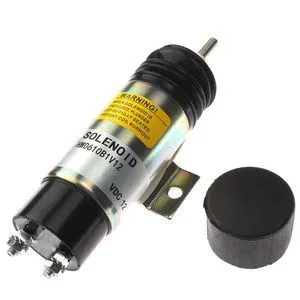
D610-B1V12 68990-015 |
| Product Type |
Stop Solenoid |
| Cross-Reference |
D610-B1V12 (for identification purposes), 68990-015 (reference only) |
| Machine Fitment |
WG750, DF752, DF-750, DF972, D905 |
| Electrical Rating |
12V DC, dual-coil pull-type |
| Terminal Configuration |
2-terminal |
| Pull-in Current |
12V / 45A peak |
| Hold-in Current |
12V / 12A |
| Housing Material |
Zinc-plated steel |
| Internal Contacts |
Silver-alloy plated |
| Mechanical Cycle Endurance |
≥50,000 cycles |
| Coil Resistance Tolerance |
±5% |
| Condition |
New Aftermarket |
| Warranty |
6-month standard warranty against manufacturing defects |
| MOQ |
1 piece |
Application Suitability
| Engine System |
Related Components |
| Engine shutdown and fuel rack control |
Fuel shutoff relay, wiring harness connectors, ignition switch contacts |
| Starter circuit protection |
Starter solenoid, battery terminals, main fuse links |
| Electrical system overhaul |
Voltage regulator, alternator output wiring, ground strap connections |
| Cold-start auxiliary circuit |
Glow plug relay, timer module, intake heater elements |
Why a Stop Solenoid Fails Again Weeks After an Engine Rebuild
The part is rarely the root cause — the circuit that killed it is still faulty.
In engine rebuild bays across Shandong's heavy equipment sector, I have pulled stop solenoids off Kubota WG750 and DF752 blocks that burned out within weeks of installation. The coil showed classic thermal discoloration, but the wiring harness had corroded terminals feeding voltage drop back into the hold coil, forcing it to draw excessive current continuously. Replacing the stop solenoid engine rebuild replacement unit without tracing the electrical fault upstream is a pattern that repeats across rebuild shops. [NEED_CITE: electrical system diagnostic procedures for diesel engine auxiliary circuits]
When a machine returns to the teardown bench with a second burned solenoid, the real cost is not the component — it is the labor to strip the engine bay, disconnect fuel lines, and verify the rack mechanism again. Shops that skip system-level electrical verification absorb this repeat labor silently.

The Solenoid's Role Inside the Kubota Auxiliary Electrical System
This stop solenoid sits at the boundary between the electrical system and the fuel injection rack on Kubota WG750, DF752, DF-750, DF972, and D905 engines. During shutdown, the dual-coil design delivers a high-current pull-in stroke to retract the fuel rack, then drops to a lower hold-in current to keep the rack closed. When planning a stop solenoid engine rebuild replacement, checking adjacent components — the shutoff relay, ignition switch contacts, and ground paths — prevents the new unit from absorbing faults that destroyed its predecessor.
Engine Serial Variants and Electrical System Differences
Kubota engine serial prefixes determine whether the factory wiring delivers the required 45A peak pull-in current or falls short due to undersized harness sections on earlier production runs. DF752 and D905 variants share the same mounting base but differ in terminal orientation and connector pinout on certain production years. Verifying engine serial number against the wiring diagram before installing a stop solenoid engine rebuild replacement avoids forced-fit wiring that creates resistance hotspots. [NEED_CITE: Kubota engine serial variant electrical specification differences]
Reading the Specs That Matter for Rebuild Decisions
The dual-coil architecture separates the 45A pull-in peak from the 12A hold-in draw, which reduces thermal load on the engine wiring during sustained shutdown states. Silver-alloy plated internal contacts resist arcing damage during the high-current pull-in phase — a meaningful advantage in engines subjected to frequent cold-start cycles where the solenoid cycles multiple times daily. The zinc-plated steel housing provides corrosion resistance for machines operating in humid coastal environments or washdown bays. Coil resistance tolerance of ±5% ensures consistent current draw across units, so matched sets installed during a full electrical overhaul behave predictably.
The Hidden Cost of Skipping System-Level Diagnosis
Installing a new stop solenoid without verifying battery health, alternator output, and wiring harness integrity often leads to repeat failure within a short operating window. A voltage drop across a corroded ground strap forces the hold coil to compensate, generating heat that degrades insulation over successive start cycles. Shops that treat the stop solenoid engine rebuild replacement as an isolated swap rather than a system-level component absorb repeat teardown costs and erode customer confidence. [NEED_CITE: diesel engine electrical ground path fault diagnosis methods]
Why Source This Component Through Our Engine System Supply
Our production and sourcing lines cover engine auxiliary components alongside overhaul gasket kits and internal engine parts under one account with unified warranty terms. Part identification works from the worn number, the machine model plate, or a photograph of the nameplate when paint has covered the original stamping. Cross-reference verification covers superseded numbers and alternate references so the correct variant ships for your specific Kubota engine serial prefix. Technical staff confirm coil specifications and terminal compatibility before dispatch, reducing fitment surprises on the rebuild bench. Single-piece minimum order means emergency replacements ship without waiting to consolidate a bulk list.
Documentation & Verification
- Commercial invoice listing each stop solenoid with engine model compatibility noted
- Cross-reference sheet mapping D610-B1V12 and 68990-015 as reference only identifiers
- Functional test record showing pull-in stroke verification and coil resistance measurement
- Warranty terms covering coil failure, contact degradation, and mechanical binding
- Packing photographs documenting zinc-plated housing condition before crating
- HS code and customs documentation for international engine parts shipments
Installation & Rebuild Sequence
- Verify engine serial prefix and wiring diagram before connecting the 2-terminal stop solenoid
- Clean mounting base surface to ensure proper ground path through zinc-plated housing
- Check pull-in and hold-in voltage at the connector with a multimeter before final seating
- Inspect fuel rack return spring tension to confirm the solenoid stroke is not fighting a weak spring
- Cycle the ignition three times after installation to confirm consistent rack retraction
- Log coil resistance reading in the engine rebuild record for future diagnostic baseline
Requesting a Compatibility-Confirmed Quote
Provide your Kubota engine model designation and serial number prefix so we can verify terminal orientation and wiring compatibility against our cross-reference database. If the original nameplate is worn or painted over, a photograph of the engine block casting marks or the existing solenoid housing is sufficient for identification. Include any known rebuild history or previous electrical faults to help our technical team flag system-level issues before dispatch.
Frequently Asked Questions
Q: What other engine electrical components should be inspected when replacing a stop solenoid?
A: Inspect the shutoff relay contacts for pitting, test the ignition switch for voltage drop under load, and verify the ground strap connecting the engine block to the chassis. Corroded terminals in the wiring harness connector feeding the solenoid are a common root cause of repeat coil failure that goes undiagnosed during a standard stop solenoid engine rebuild replacement.
Q: How do I confirm this solenoid matches my specific Kubota engine serial variant?
A: Provide the full engine serial number from the nameplate or block casting. We cross-reference the serial prefix against wiring diagram revisions and terminal orientation records to confirm the correct variant ships. DF752 and D905 engines share mounting dimensions but may differ in connector pinout depending on production year.
Q: What system-level faults cause premature solenoid failure beyond the part itself?
A: Voltage drop from corroded ground connections, undersized wiring harness sections on early production engines, and failing alternator voltage regulators all force the hold coil to operate outside its designed current range. These faults generate sustained heat that degrades coil insulation, leading to short circuits that a replacement stop solenoid engine rebuild replacement will inherit if unaddressed.
Q: Does the supply include related electrical connectors or mounting hardware?
A: The stop solenoid ships as a standalone unit with its zinc-plated housing and internal silver-alloy contacts. Mounting bolts and wiring harness connectors are not included but are available as separate line items. We recommend replacing corroded connectors during the same overhaul cycle to prevent resistance-related voltage drop.
Q: How do I verify coil specifications match my engine electrical system requirements?
A: We provide a functional test record showing measured coil resistance within the ±5% tolerance band and pull-in stroke verification at 12V DC. Compare these values against the engine service manual specifications for your Kubota serial variant. Our technical team can confirm whether your engine wiring supports the 45A peak pull-in current requirement.