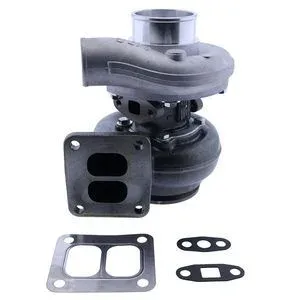
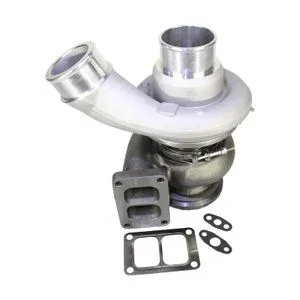
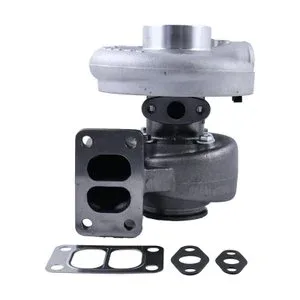
Engine Sequence Variants Confirmed — John Deere 4045 and 6068 engine serial prefixes cross-checked against turbo configuration before dispatch.
Technical Specifications
| Parameter |
Value |
| Part Number |
RE508719 |
| Product Type |
Turbocharger |
| Cross-Reference |
RE508719 (reference only), 471050-5002S, 471050-0001, 471050-0002, 471050-0003, 471050-0006, 471050-0008, 471050-0017, 471050-0019, 471050-0020, 471050-0021, 471050-0023, 177263, 471050-0025, RE509384, RE59998, RE60000, RE60388, RE69157, SE500276, SE502219 (reference only) |
| Machine Fitment |
John Deere 200LC, 230LC, 230LCR, 270LC, 200CLC, 230CLC, 270CLC, 690ELC, 2054, 2554, 700H, 700J, 710D, 710G, 4700, 1170, 1450, 1450CWS, 1550CWS, 330B, 335, 430B, 435, 740, 7715, 7815, 6615, 6715, 7220, 7320, 7405, 7420, 7520, 6140J, 6155J, 7185J, 7205J, 540G, 548G, 640G, 648G, 740G, 748G, 643G, 643H, 840, 843H; Hitachi EX200LC-5, EX230LC-5, LX100-5 |
| Engine Compatibility |
John Deere 3029, 4039, 4045, 6068, 2.9L, 3.9L, 4.5L, 6.8L families |
| Part Name |
S200 Turbocharger |
| Condition |
New Aftermarket |
| Turbine Housing |
Forged steel |
| Turbine Wheel |
Nickel-chromium alloy |
| Journal Bearing Radial Clearance |
<0.005 mm |
| Dynamic Balance Tolerance |
G2.5 |
| Shaft Journal Surface Hardness |
HRC 58–62 |
| Max Operating Speed |
135,000 rpm |
| Standards |
ISO 9001, ISO 8573-1 Class 4 |
| Warranty |
12-month warranty against manufacturing defects |
| MOQ |
1 piece |
Application Suitability
| Engine System |
Related Components |
| Emission & Exhaust — Turbocharged 4045/6068 |
Turbo mounting gaskets, oil feed and return lines, exhaust manifold studs |
| Lubrication — Oil supply to turbo bearings |
Oil filter, oil feed restrictor fittings, crankcase breather elements |
| Air Induction — Pre-turbo filtration |
Air filter element, intake hose clamps, charge air cooler connections |
| Top-End Overhaul — Complete engine rebuild |
Piston ring sets, cylinder liner kits, valve stem seals, head gasket set |
Upstream Faults That Kill a Turbocharger RE508719 Before It Reaches Its Service Life
A replacement turbocharger RE508719 installed without correcting the oil starvation or crankcase pressure that destroyed the previous unit will fail within a short operating window.
In my time working with John Deere 4045 engines across Indonesian job sites, I documented repeated cases where a fresh S200 turbocharger was fitted to an engine that still had carbon-blocked oil return lines or excessive blow-by from worn piston rings. The new turbocharger RE508719 engine rebuild would run acceptably for a few weeks, then the journal bearings would score from contaminated oil and the unit would come back apart. The failure was never the turbo itself — it was the unresolved system fault feeding it. [NEED_CITE: common root causes of premature turbocharger failure in medium-duty diesel engines]
System-Level Matching for 4045 and 6068 Engine Families
The John Deere 4045 and 6068 families span dozens of engine serial variants — from the 4045DF150 to the 6068TT053–058 — and these variants do not all share the same turbocharger configuration. Compressor wheel geometry, turbine housing A/R ratio, and wastegate calibration differ between naturally aspirated-to-turbo conversions and factory-turbo builds. Confirming the exact engine serial prefix before ordering a turbocharger RE508719 engine rebuild prevents receiving a unit that physically bolts on but delivers incorrect boost pressure or spool characteristics for that specific engine tune.
Oil Feed and Return Path Inspection Before Turbo Installation
Turbo journal bearings on the S200 platform depend on clean, unrestricted oil flow at all operating speeds. The oil feed line from the engine block to the turbo center housing accumulates carbon deposits over service intervals, and the oil return line can collapse internally without visible external damage. When sourcing a turbocharger RE508719 engine rebuild, requesting matched oil feed fittings, new gaskets, and a replacement return hose in the same shipment eliminates the risk of reusing degraded lines. [NEED_CITE: turbocharger bearing lubrication requirements and oil contamination thresholds] Any residual carbon that breaks free after new turbo installation will circulate directly into the journal bearing clearance, which is held to less than 0.005 mm on this unit.
Dimensional and Material Specifications That Matter at Operating Speed
The S200 turbocharger in this application reaches speeds approaching 135,000 rpm, where even minor imbalance generates destructive vibration at the bearing surfaces. The G2.5 dynamic balance tolerance specified for this unit means the rotating assembly — turbine wheel, shaft, and compressor wheel — has been balanced as a complete assembly to a residual imbalance level suitable for high-speed diesel turbochargers. The forged steel turbine housing withstands the thermal cycling between loaded and idle operation without cracking at the volute tongue, a common failure point in cast housings subjected to repeated heat soak cycles. Nickel-chromium alloy on the turbine wheel provides oxidation resistance at sustained exhaust gas temperatures encountered in continuous-load applications like quarrying and port operations. The shaft journal surface hardness of HRC 58–62 maintains the bearing interface geometry against the abrasive effect of micron-level contaminants that inevitably pass through the oil filter over time.

The Cost of Skipping the Root-Cause Diagnosis
Replacing only the failed turbocharger while leaving the upstream fault intact creates a predictable cycle of repeat failure. An engine with unresolved crankcase pressure pushes combustion gases past the piston rings into the oil sump, aerating the oil and reducing its film strength at the turbo journal bearings. A previous rebuild using oversized pistons without matching the turbo specification to the altered compression characteristics can shift boost behavior enough to cause surge or over-speed conditions. These system-level mismatches do not show up on initial start-up — they manifest as premature bearing wear, shaft play, or compressor wheel contact with the housing after a short operating period. [NEED_CITE: effects of crankcase blow-by on turbocharger bearing life in rebuilt diesel engines] The cost of a second teardown, a second set of gaskets, and a second replacement turbo far exceeds the time spent verifying the oil system and engine state before the first installation.
Why Source This Turbocharger Through XUNPO
Own production on selected lines and qualified sourced supply operate under one account and one warranty framework, so whether this turbocharger RE508719 ships from the Guangzhou production line or a certified partner facility, the QC and warranty terms are identical. Eight product categories — including the gaskets, oil fittings, air filtration elements, and seal kits needed alongside this turbo — consolidate into a single consignment under one commercial invoice, removing the coordination burden of multiple suppliers. Part identification is available from the existing turbo nameplate number, a photograph of the engine data plate, or the machine model alone, covering situations where paint overspray or wear has made the original number unreadable. Cross-reference verification includes superseded and alternate numbers across the full RE508719 reference list, catching cases where a previous parts catalog entry has been updated. A sample unit can be supplied for fitment confirmation before committing to fleet-scale quantities, giving rebuild shops confidence in the match before ordering for multiple machines. The technical team reviews engine serial variants and rebuild history to confirm the correct turbo configuration and advise on adjacent components that should ship together.
Documentation & Verification
- Commercial invoice and packing list itemizing turbocharger and matched gasket sets in one shipment
- Part compatibility and cross-reference sheet mapping RE508719 (reference only) to applicable engine serial prefixes
- Quality inspection record covering dynamic balance verification and bearing clearance check for each unit
- Warranty terms document specifying 12-month coverage scope and claims procedure for turbocharger defects
- Packing photographs showing anti-vibration foam placement and reinforced carton sealing before dispatch
- HS code and customs documentation support for international shipment of turbocharger and related engine parts
Installation & Rebuild Sequence
- Flush oil feed and return lines before mounting the turbocharger to prevent residual carbon from entering journal bearings
- Verify turbine housing orientation matches the exhaust manifold port pattern on the specific 4045 or 6068 variant
- Torque turbo mounting nuts to engine manual specification using new gaskets — never reuse crushed copper or fiber gaskets
- Prime the turbo center housing with clean engine oil through the feed port before first cranking to prevent dry-start bearing damage
- Run the engine at idle for the initial break-in period, monitoring for oil leaks at feed and return connections
- Check shaft end-play and radial movement after the first operating cycle to confirm bearing seating within specification
Requesting a Matched Supply Quote
Provide the engine serial number prefix (e.g., CD4045, 6068HF258) and any previous rebuild details — piston grade, liner replacement, or bore work — so the correct turbocharger variant and matched components can be confirmed. If the existing turbo nameplate is unreadable, a photograph of the engine data plate or the machine model plate is sufficient for identification. Specify whether the order is a single-unit emergency replacement or part of a planned overhaul programme to receive appropriate consolidation and documentation.
Frequently Asked Questions
Q: What other components should be replaced together with this turbocharger during an engine rebuild?
A: Turbo mounting gaskets, oil feed and return line fittings, air filter elements, and the crankcase breather should all be replaced during turbo installation. On engines with significant service hours, the oil feed restrictor orifice should be inspected for carbon buildup. Supplying these items with the turbocharger in one consignment prevents partial rebuilds where an old component causes the new turbo to fail prematurely.
Q: How do I confirm which turbo variant fits my specific engine serial number?
A: The engine serial prefix — such as CD4045 or 6068TT053 — determines the correct turbo configuration within the 4045 and 6068 families. Providing this prefix along with any previous rebuild modifications allows the technical team to verify compressor and turbine specifications match your engine's current state. A cross-reference check against the existing turbo nameplate number adds a second verification layer.
Q: The previous engine rebuild changed piston grades — does the same turbo still apply?
A: Oversized pistons alter compression ratio and combustion characteristics, which can shift the boost pressure and flow requirements of the turbocharger. If the engine has been rebuilt with non-standard piston grades, the original turbo specification may no longer be the optimal match. Provide the rebuild details including piston grade and liner condition so the correct turbo configuration can be confirmed before ordering.
Q: What upstream engine faults commonly cause premature turbo failure on 4045/6068 engines?
A: Carbon-blocked oil return lines, restricted oil feed passages, excessive crankcase blow-by from worn rings, and contaminated oil from overdue filter changes are the most frequent root causes. Each of these faults starves or contaminates the turbo journal bearings, leading to shaft play and housing contact. Diagnosing and correcting these issues before turbo installation is essential to achieving full service life from the replacement unit.
Q: Can I order matched gaskets and oil line fittings together with the turbocharger in one shipment?
A: Yes. The turbocharger ships alongside mounting gaskets, oil feed fittings, return hose, and air inlet connections under a single commercial invoice. Consolidating these items into one shipment eliminates the risk of a partial delivery holding up the rebuild and ensures all components are matched to the same engine serial variant.