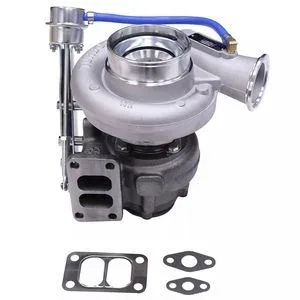
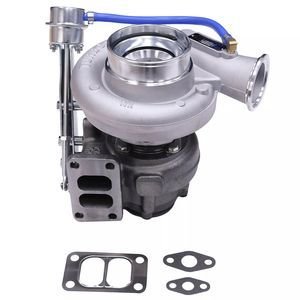
Complete Set Matching — Turbocharger shipped alongside intake and oil seals verified for QSB6.7 Tier-3 rebuilds.
Technical Specifications
| Parameter |
Value |
| Part Number |
4955156 4038597 |
| Product Type |
Turbocharger |
| Cross-Reference |
4955156, 4038597, 4042667, 4038597R, 4038597RX, 4038209, 4044890, 4033681, 4044890H, 4629082, 495515600, 4955156NX, 4955156RX, 5452082, 5452082NX, 5452082RX, 3802879, 3802878 (reference only) |
| Machine Fitment |
Cummins QSB6.7, Cummins QSB Tier-3, Komatsu Graders equipped with QSB Tier-3 engine |
| Turbo Model |
HX35W-A77J70GM/A70Q86FE14PB-W, HX35W |
| Condition |
New Aftermarket |
| Boost Pressure Verification |
1.8 bar |
| Turbine Wheel Balance |
≤0.5 g·mm |
| Compressor Efficiency |
≥68% at rated flow |
| Max Exhaust Temperature |
720°C |
| Turbine Housing Material |
Ni-resist D5S ductile iron |
| Compressor Wheel Material |
718 Inconel |
| Shaft Bearing Type |
Dual ceramic ball bearings |
| Bearing Grease Rating |
180°C |
| Sealing Surface Finish |
ISO 4287 Ra ≤0.8 μm |
| Wastegate Actuator Calibration |
1.35±0.05 bar |
| Warranty |
12 months against manufacturing defects |
| MOQ |
1 piece |
Application Suitability
| Engine System |
Related Components |
| Air Intake and Exhaust |
Intake manifold gaskets, exhaust manifold seals, air filter elements |
| Lubrication System |
Oil feed lines, oil return hoses, turbo oil inlet gasket |
| Emission Control (EGR) |
EGR valve seals, EGR cooler gaskets, backpressure sensors |
| Engine Block and Head |
Head gasket, cylinder liner seals, block heater connections |
| Cooling Circuit |
Coolant hoses adjacent to turbo, thermostat housing seals |
Why Root-Cause Diagnostics Dictate Turbo Longevity After Rebuild
Replacing a turbocharger without resolving upstream oil contamination or EGR backpressure hands the new unit the exact failure mode that destroyed the previous one.
A failed HX35W turbocharger engine rebuild replacement for QSB6.7 is rarely an isolated event. In field engines I have inspected across arid operating environments, the turbo sits downstream of the air filter and upstream of the intake manifold, meaning any breach in filtration introduces abrasive dust directly to the compressor wheel. On the exhaust side, EGR soot accumulation on the turbine housing reduces flow efficiency and drives exhaust gas temperatures beyond the thermal capacity of standard cast iron housings. The result is a cycle of repeat failures where the turbo is blamed, yet the fault lies in adjacent systems that were never opened during the repair [NEED_CITE: turbocharger failure root cause analysis in diesel engines].

The Turbocharger Within the QSB6.7 Intake and Emission Architecture
This HX35W turbocharger engine rebuild replacement for QSB6.7 occupies a central node in the intake-exhaust-emission loop of the Cummins QSB Tier-3 platform. It pressurizes filtered air into the intake manifold while simultaneously extracting energy from exhaust gases to drive the compressor. The wastegate actuator, calibrated at 1.35±0.05 bar, controls boost pressure to maintain correct air-fuel ratios under varying load conditions, which directly affects EGR gas recirculation volumes. When rebuild shops quote an overhaul, the turbo must be specified alongside intake and exhaust gaskets, oil feed and return lines, and air filtration components so the entire loop is addressed in one intervention.
Sequence Matching and Engine Serial Variant Confirmation
Cummins QSB6.7 engines span multiple build generations, and the turbo variant must match the specific engine serial range. The HX35W-A77J70GM/A70Q86FE14PB-W designation carries specific compressor trim and turbine A/R ratios that differ from a base HX35W. Installing the wrong variant produces incorrect boost curves, which on Tier-3 engines upsets the EGR calibration and triggers emission compliance faults. Engine rebuild shops must cross-check the engine serial number against the turbo data plate before ordering. Superseded references such as 4955156 and 4038597 are verified through cross-reference tables, but physical interface dimensions including oil port orientation and exhaust flange bolt pattern must also be confirmed against the removed unit [NEED_CITE: Cummins QSB6.7 engine serial variant identification procedures].
Material and Thermal Specifications That Define Service Life
The turbine housing is cast from Ni-resist D5S ductile iron, a material selected for its resistance to thermal cracking under repeated cold-start cycles. In high-cycle start-stop applications such as waste compactors and municipal equipment, the housing experiences rapid temperature swings between ambient and 720°C peak exhaust temperature. Standard gray iron cracks at the wastegate port under these conditions, while D5S maintains dimensional stability. The compressor wheel, forged from 718 Inconel, sustains high tip speeds without creep deformation, preventing contact between the wheel and the compressor housing that would send metal fragments downstream into the intercooler and intake manifold. Dual ceramic ball bearings handle axial and radial loads with reduced friction compared to journal bearings, and the 180°C bearing grease rating ensures lubrication integrity at sustained high-load operation.
The Cost of Skipping System-Level Root-Cause Checks
When a rebuild installs only the turbo without inspecting oil feed contamination, residual carbon deposits from the previous failure circulate through the new bearing assembly within operating hours. I have documented cases where a fresh turbocharger failed within weeks because the oil feed line was not flushed, and abrasive particles scored the ceramic bearing surfaces beyond repair. Similarly, ignoring a restricted air filter forces the compressor to operate at higher speed to achieve target boost, accelerating wheel fatigue. The hidden cost is not the second turbo purchase alone — it is the second teardown, the second set of gaskets, and the machine downtime that doubles [NEED_CITE: diesel engine rebuild repeat failure cost analysis].
Procurement Advantages for Engine Rebuild Operations
XUNPO produces selected turbocharger lines in-house and sources complementary variants from ISO 9001 certified manufacturing partners, with both channels carrying the same 12-month warranty. The QSB6.7 turbo and its adjacent seals, gaskets, and oil line fittings ship under one account and one consignment, eliminating split deliveries. Cross-reference verification covers superseded and alternate part numbers including 4955156, 4038597, and their RX/NX variants. Sample units are available for fitment confirmation before bulk commitment, and the technical team verifies compatibility and grade based on engine serial number and build variant. Each unit ships with a bench test record documenting boost pressure, turbine wheel balance, and compressor efficiency.
Documentation & Verification
- Commercial invoice listing turbo part number, cross-reference numbers, and engine compatibility for customs clearance.
- Part compatibility sheet mapping cross-reference only numbers to specific QSB6.7 serial ranges.
- Bench test record with boost pressure, balance reading, and efficiency data for each turbocharger unit.
- Warranty terms covering manufacturing defects for 12 months from delivery date.
- Packing photographs documenting turbo packaging condition prior to dispatch.
- HS code and customs documentation support for international engine parts shipments.
Installation & Rebuild Sequence
- Clean all oil feed and return line connections to ISO 4287 Ra ≤0.8 μm surface finish before mating to the turbocharger oil ports.
- Verify wastegate actuator calibration at 1.35 bar using a regulated pressure source before installing the exhaust manifold connection.
- Replace intake manifold gaskets and air filter elements in the same service event to prevent upstream contamination of the new HX35W unit.
- Torque turbine housing flange bolts to specification and check exhaust leak paths before first engine start.
- Run the engine at idle for the initial break-in period to allow ceramic ball bearings to seat with fresh oil supply.
- Record boost pressure at rated RPM during first loaded operation and compare against the bench test verification of 1.8 bar.
Request a System-Matched Rebuild Quotation
Provide the Cummins QSB6.7 engine serial number, engine build variant, and any previous rebuild history so the correct HX35W turbo variant and matched gasket set can be confirmed. Include the removed turbocharger data plate photograph if available, along with a list of adjacent components required for the complete overhaul.
Frequently Asked Questions
Q: What gaskets and oil lines should be replaced together with the turbo?
A: The turbo oil inlet gasket, oil feed and return line seals, intake manifold gasket, and exhaust manifold-to-turbo gasket should all be replaced in the same service event. Air filter elements must also be changed. Supplying these as a matched set with the HX35W turbocharger engine rebuild replacement for QSB6.7 prevents contamination from aged seals causing early bearing failure.
Q: How do I confirm the correct turbo variant for my specific QSB6.7 engine serial number?
A: Provide the full engine serial number and the data plate from the removed turbocharger. The HX35W-A77J70GM/A70Q86FE14PB-W and base HX35W variants differ in compressor trim and turbine A/R ratio. Cross-reference numbers 4955156 and 4038597 are verified against the serial range to ensure the correct variant ships.
Q: My previous turbo failed early — what system-level checks prevent repeat failure?
A: Inspect the oil feed line for carbon deposits and abrasive contamination, check the air filter housing for dust ingress paths, and verify EGR cooler condition for soot restriction. These upstream faults are the most common root causes of repeat turbocharger failure on QSB Tier-3 engines, and addressing them during the rebuild prevents the new unit from inheriting the same failure mode.
Q: Are the cross-reference numbers 4955156 and 4038597 interchangeable for the same engine build?
A: Both numbers are listed as cross-reference only identification for the HX35W turbocharger on Cummins QSB6.7 platforms. However, engine serial range and build generation determine which variant fits. Physical interface dimensions including oil port position and exhaust flange pattern must be verified against the specific engine before confirming interchangeability.
Q: Do you supply overhaul kits that include the turbo plus matched intake and oil system seals?
A: Yes. The HX35W turbocharger can be consolidated with intake gaskets, exhaust seals, oil feed line fittings, and air filter elements into a single consignment. This ensures all system-adjacent components for a QSB6.7 rebuild ship together under one warranty and one dispatch schedule, preventing incomplete rebuilds caused by missing items.