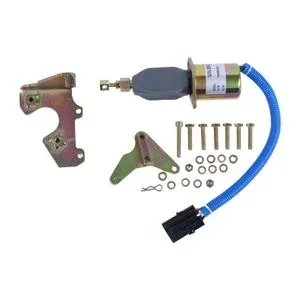
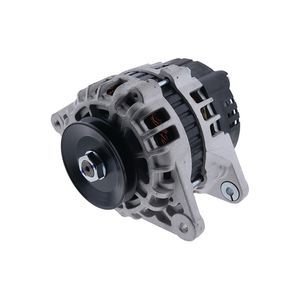
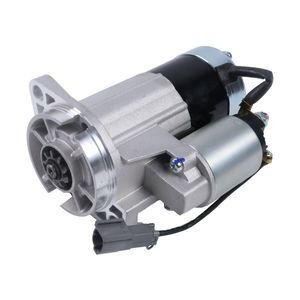
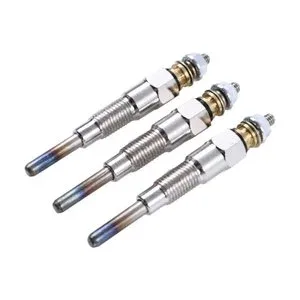
Matched Overhaul Supply — Each SA-4026-12 ships alongside verified fuel cutoff components matched to your Cummins engine serial, preventing mismatched tolerances during rebuild.
Technical Specifications
| Parameter |
Value |
| Part Number |
SA-4026-12 |
| Product Type |
Stop Solenoid |
| Cross-Reference |
SA-4026-12 (reference only), SA402612, SA-4124-12, SA412412, 1752ES-12A7UC3B1S5, 1752ES12A7UC3B1S5, 3931195 |
| Machine Fitment |
Cummins 5.9L, Cummins 8.3L, Ford F700, Ford F800 |
| Voltage |
12V DC |
| Insulation Class |
Class H (180°C thermal rating) |
| Sealing Material |
NBR (nitrile butadiene rubber) O-rings |
| Pressure Rating |
15 bar |
| Housing Material |
Die-cast aluminum |
| Surface Treatment |
Electroplated zinc coating (ASTM B633, Fe/Zn 8) |
| Hold Current |
≤1.8 A |
| Test Voltage |
12.0 V ±0.2 V |
| Condition |
New Aftermarket |
| Warranty |
6 months against manufacturing defects |
| MOQ |
1 piece |
| Standards |
ISO 9001, ASTM B633, ISO 4040 |
Application Suitability
| Engine System |
Related Components |
| Fuel Cutoff Control |
Injection pump shutdown linkage, fuel shutoff relay, wiring harness connectors |
| Engine Auxiliary |
Governor solenoid, throttle actuator, idle speed control module |
| Electrical Power Supply |
Alternator output circuit, battery terminal connections, main relay block |
| Overhaul Refresh |
Gasket set, seal kit, fuel line O-rings, mounting fasteners |
Why a Fuel Shut-Off Solenoid SA-4026-12 Fails Again Weeks After Rebuild
The root cause usually sits in the wiring harness or relay circuit, not the solenoid coil itself.
Replacing a fuel shut-off solenoid without tracing the electrical fault that killed the previous unit leads to repeat failure in a matter of weeks. Rebuild shops that swap the solenoid and send the engine back to service often see the machine return with the same shutdown symptom. The aging insulation on Cummins 5.9L harnesses and corroded relay contacts push voltage spikes into the new coil, degrading its windings prematurely. Diagnosing the full fuel cutoff loop — relay, wiring, connectors, and grounding points — before installing a replacement solenoid avoids this cycle [NEED_CITE: diesel engine electrical fault diagnosis during overhaul commissioning].

Where the Stop Solenoid Sits in the Cummins Fuel Cutoff System
This stop solenoid controls the fuel rack position on the injection pump, cutting diesel flow when the ignition is turned off. During a Cummins 5.9L or 8.3L engine rebuild, the solenoid must match the specific injection pump variant installed, as internal plunger stroke and mounting geometry differ across production runs. A fuel shut-off solenoid SA-4026-12 that does not match the pump configuration will either fail to seat fully or bind at full stroke, causing incomplete shutdown or excessive coil draw.
Matching Solenoid Variant to Engine Serial and Rebuild History
Cummins 5.9L engines produced across different model years carry variations in injection pump mounting and electrical connector type. Engines that have undergone a prior rebuild may also have swapped pumps or modified wiring. Confirming the engine serial number and inspecting the existing connector pin layout ensures the correct variant is selected. Mismatched connectors or incorrect plunger travel will surface during post-rebuild commissioning, not during bench inspection [NEED_CITE: Cummins injection pump variant identification by serial range].
How Insulation Class and Sealing Affect Long-Term Reliability
The Class H insulation rating allows the coil to withstand sustained temperatures up to 180°C, which matters when the solenoid is mounted near exhaust manifolds or turbocharger outlets on heavy-duty applications. NBR O-rings provide reliable sealing against standard diesel fuel, but operators running high-biodiesel blends should verify material compatibility during overhaul planning. The die-cast aluminum housing with electroplated zinc coating resists corrosion in humid or salt-air environments typical of port and mining operations. The hold current specification of ≤1.8 A at 12.0 V ensures the coil does not overdraw during extended idle periods, protecting both the solenoid and the machine's electrical system.
The Cost of Skipping System-Level Verification
Installing a solenoid without checking the fuel cutoff relay, wiring continuity, and grounding integrity turns a minor electrical repair into a repeat teardown. The second failure often damages adjacent components — scorched connectors, degraded wiring insulation, or a weakened relay — compounding the downtime. Rebuild shops that absorb warranty returns on repeat failures see their labor costs multiply while customer confidence drops [NEED_CITE: repeat solenoid failure root cause analysis in diesel service].
Why Engine Rebuild Shops Source This Component Here
Selected part lines are produced in our own facility, while the remainder comes from qualified ISO-certified manufacturing partners — both carry identical QC and warranty terms. Engine auxiliary components across eight categories ship under a single account, so a complete overhaul parts list consolidates into one consignment. Orders start from one piece, supporting emergency single-unit rebuilds without minimum-order barriers. Cross-reference verification covers superseded and alternate numbers including 3931195 and SA-4124-12. Technical support confirms compatibility and grade selection before shipment, and sample supply is available for fitment confirmation before bulk commitment.
Documentation & Verification
- Commercial invoice listing part number SA-4026-12 with HS code for customs clearance
- Cross-reference sheet mapping SA402612, 1752ES-12A7UC3B1S5, and 3931195 (reference only)
- Dimensional inspection record confirming plunger tolerance and housing mounting pattern
- Six-month warranty certificate covering manufacturing defects
- Packing photographs showing protective packaging and connector condition before dispatch
Installation & Rebuild Sequence
- Verify fuel cutoff relay and wiring continuity before installing the new solenoid
- Inspect injection pump mounting face for debris that could prevent full solenoid seating
- Confirm connector pin layout matches the engine harness — do not force mismatched plugs
- Apply specified torque to mounting fasteners to avoid housing distortion
- Test solenoid pull-in and hold function at 12.0 V before reassembling fuel lines
- Run initial engine start sequence and verify clean shutdown within expected response time
Requesting a Matched Component Quote
Provide the Cummins engine model, serial number, and any prior rebuild documentation so we can confirm the correct solenoid variant and identify adjacent fuel system components that should ship together. Photographs of the existing connector and injection pump nameplate help resolve variant differences that serial numbers alone may not clarify.
Frequently Asked Questions
Q: What other engine auxiliary parts should be inspected during a solenoid replacement?
A: Check the fuel cutoff relay, wiring harness connectors, and grounding points in the shutdown circuit. Inspect the injection pump mounting face and fuel line O-rings. Worn relay contacts or corroded connectors are common root causes that destroy a new fuel shut-off solenoid SA-4026-12 within weeks of installation.
Q: How do I identify the correct solenoid variant for my Cummins engine?
A: Provide the full engine serial number and a photograph of the existing connector. Cummins 5.9L and 8.3L engines have production-run variations in injection pump type and electrical connector layout. We cross-reference your serial against fitment records to confirm the correct variant before shipping.
Q: Does a standard engine overhaul kit include this stop solenoid?
A: Most overhaul gasket and seal kits do not include electrical auxiliary components. The solenoid is typically ordered separately based on the specific injection pump variant. Confirm your rebuild kit contents against the full parts list to avoid delays during assembly.
Q: What electrical tests should I run before installing the new solenoid?
A: Measure voltage at the harness connector during key-on and key-off cycles. Verify the fuel cutoff relay switches cleanly without voltage spikes. Check wiring continuity and ground resistance. These steps confirm the circuit will not damage the replacement unit.
Q: What system-level faults cause repeat solenoid failure?
A: Aging wiring insulation, corroded relay contacts, and poor grounding create voltage irregularities that degrade the solenoid coil over time. High-resistance connections cause the coil to overdraw current trying to maintain plunger position. Diagnosing the full circuit prevents the new unit from failing prematurely [NEED_CITE: electrical system degradation patterns in heavy-duty diesel engines].