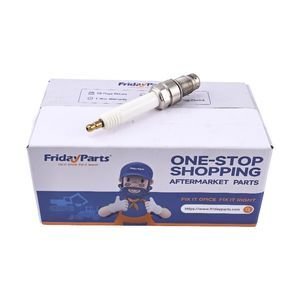
Matched Set Dispatch — every spark plug ships with a verified cross-reference sheet confirming heat range and thread specification against your MTU 4000 engine serial variant.
Technical Specifications
| Parameter |
Value |
| Part Number |
X52404500062 |
| Product Type |
Spark Plug |
| Cross-Reference |
X52404500056, X52404500050, X52404500027, X52404500039, X52404500049, MDE: 70700180049, Federal Mogul: 0004.800.986.00.07, 18VGZ1-77, Caterpillar: 0346-5123, Tenneco: FB95WPV, TORCH: R6GC1-77M, Energy Choice: E6014251, Motortech: MPC1800, MPC1900 (reference only) |
| Machine Fitment |
MTU 4000, 16V/4000-L61, 16V4000L61 |
| Electrode Material |
Iridium-enhanced nickel alloy center electrode |
| Insulator Composition |
95% alumina ceramic |
| Thread Specification |
M14×1.25, 19° tapered seat |
| Heat Range |
HR 7 |
| Insulation Resistance |
>10 GΩ |
| Cold Resistance |
22 kΩ at 20°C |
| Insulator Temperature Rating |
1,200°C |
| Condition |
New Aftermarket |
| Warranty |
3–12 months against manufacturing defects |
| MOQ |
1 piece |
| Standards |
ISO 9001, ISO 2103:2018 |
Application Suitability
| Engine System |
Related Components |
| Ignition system — MTU 4000 series generator sets |
Ignition coils, spark plug boots, HT leads |
| Continuous-run marine propulsion ignition |
Fuel injectors, cylinder liner inspection kits |
| Mobile power unit maintenance |
Gasket sets, valve cover seals, thermostat |
| Offshore auxiliary power system overhaul |
Piston rings, bearing shells, oil filters |
| Mining site generator rebuild |
Complete overhaul gasket kits, coolant system seals |
What the Ignition System Reveals Before You Order an MTU 4000 Spark Plug Engine Rebuild Replacement
A failed spark plug is usually the symptom, not the root cause — the real question is what upstream condition burned it out.
On MTU 4000 engines running continuous load in generator or marine duty, I have pulled plugs from cylinder heads where the electrode was intact but the insulator was flashover-scarred, meaning the ignition coil had been pushing voltage beyond design tolerance for months. In other cases, the plug looked fine but the piston crown was wet-washed with unburnt diesel, pointing to an injector spray pattern failure the plug never caused [NEED_CITE: diagnostic separation of ignition versus fuel delivery faults in gas engines]. Treating every MTU 4000 Spark Plug engine rebuild replacement as a simple swap-out risks missing the fault that will destroy the new set within the first service interval.
System Context for Ignition Component Matching
A spark plug does not operate in isolation inside the MTU 4000 combustion chamber. Its heat range must align with the thermal profile established by piston crown geometry, coolant jacket condition, and the air-fuel ratio the fuel system delivers after previous rebuilds. Installing an MTU 4000 Spark Plug engine rebuild replacement with incorrect heat range on a cylinder that has accumulated carbon deposits from oil consumption shifts the electrode temperature outside the self-cleaning window, accelerating fouling on adjacent cylinders through shared exhaust backpressure effects.
Serial Variant Differences That Change the Specification
The MTU 4000 series spans multiple production runs where internal geometry shifted without changing the external engine designation. A 16V4000L61 built in an earlier production block may require different plug reach than a later variant, even though both carry the same base engine model on the nameplate. Thread engagement depth and the position of the tapered seat relative to the combustion chamber face determine whether the electrode sits correctly in the flame front [NEED_CITE: MTU 4000 series engine serial variant configuration differences]. Confirming the engine serial number before ordering ensures the M14×1.25 thread and 19° tapered seat on this plug match the cylinder head casting you are working with.

Decoding the Specifications That Matter at Rebuild Time
The HR 7 heat range on this plug defines how quickly thermal energy transfers from the firing tip through the insulator to the cylinder head. Too cold a range allows carbon deposits to bridge the electrode gap during low-load operation on standby generator sets. Too hot a range risks pre-ignition under full continuous load in marine propulsion applications. The 95% alumina ceramic insulator maintains dielectric strength above 10 GΩ at sustained combustion temperatures approaching 1,200°C, preventing flashover that would otherwise appear as intermittent misfire on the engine monitoring system. The iridium-enhanced nickel alloy center electrode resists erosion across extended service intervals, maintaining gap geometry longer than standard nickel alone [NEED_CITE: spark plug electrode material erosion rates in continuous-duty gas engines]. Cold resistance at 22 kΩ falls within the expected range for resistor-type plugs that suppress electromagnetic interference with the MTU 4000 electronic control module.
The Cost of Skipping Root-Cause Diagnosis Before Replacement
I once watched a rebuild shop install a full set of sixteen new plugs on a 16V4000L61 generator without checking why the previous set had failed within a fraction of the expected interval. Three weeks later, two cylinders were misfiring again. The actual cause was coolant intrusion through a cracked injector sleeve raising combustion chamber humidity and corroding the electrode surface. The new plugs were not defective — the engine was destroying them [NEED_CITE: coolant intrusion effects on spark plug service life in large-bore gas engines]. Replacing ignition components without investigating whether injector degradation, boost pressure irregularity, or coolant system failure caused the original problem turns a planned overhaul into a repeating cycle of teardown and diagnosis.
Why Engine Rebuild Shops Source This Component Here
Own production on selected ignition lines and qualified sourced supply carry identical quality inspection and warranty terms under one account. Eight product categories mean overhaul gasket sets, piston rings, and fuel system components ship in the same consignment as the spark plug set, eliminating split freight. Minimum order from one piece allows single-cylinder diagnostic replacement before committing to a full sixteen-plug set. Guangzhou warehouse stock enables fast dispatch on common MTU 4000 configurations. Part identification proceeds from engine serial number, cylinder head photograph, or nameplate image when the original plug marking is unreadable. Cross-reference verification covers the superseded and alternate numbers listed above, catching errors that copied reference tables carry forward. Technical support confirms heat range and reach against your specific engine build before shipment.
Documentation & Verification
- Commercial invoice listing each plug with heat range and thread specification confirmed
- Cross-reference sheet mapping X52404500062 to all alternate part numbers (reference only)
- Quality inspection record covering gap measurement and insulation resistance per unit
- Warranty terms document specifying coverage period and manufacturing defect scope
- Packing photographs showing individual plug protection and set quantity verification
- HS code and customs documentation support for international engine parts shipment
Installation & Rebuild Sequence
- Verify M14×1.25 thread cleanliness in cylinder head before installing the 19° tapered seat plug
- Apply calibrated torque to achieve proper seat contact without cracking the 95% alumina ceramic insulator
- Inspect ignition coil output voltage to confirm it matches the 22 kΩ cold resistance specification
- Check spark plug boot condition and replace if carbon tracking is visible inside the connector
- Run initial start-up at low load and monitor individual cylinder exhaust temperature for imbalance
- Log insulation resistance reading after first heat cycle to establish baseline for future maintenance
Requesting a System-Level Quotation
Provide your MTU 4000 engine serial number, production variant, and any previous rebuild history so we can confirm the correct plug reach and heat range for your specific cylinder head configuration. If the engine is mid-overhaul, share the full component list so ignition, fuel, and sealing components can be matched and quoted together.
Frequently Asked Questions
Q: What other ignition or fuel system components should be inspected when replacing spark plugs on MTU 4000 engines?
A: Inspect ignition coils for output voltage drift, spark plug boots for internal carbon tracking, and HT leads for insulation degradation. On the fuel side, check injector spray patterns and sleeve integrity for coolant intrusion. These upstream conditions frequently cause premature plug failure and should be verified before installing the new set to prevent repeating the same fault cycle.
Q: How do engine serial variants within the 4000 series affect spark plug specification?
A: Production run changes across the MTU 4000 series can alter cylinder head casting dimensions, affecting plug reach and thread engagement depth. Two engines carrying the same 16V4000L61 designation may require different specifications. Always confirm the engine serial number and production block variant before ordering to ensure the tapered seat and electrode position match your specific cylinder head.
Q: Should all 16 plugs be replaced as a matched set, or can individual cylinders be serviced?
A: For continuous-duty generator and marine applications, replacing the complete set maintains uniform ignition timing across all cylinders and prevents imbalance that accelerates wear on adjacent components. Single-cylinder replacement is acceptable for diagnostic purposes or emergency repair, but the remaining plugs should be inspected for erosion and gap growth to assess whether a full set change is overdue.
Q: What upstream engine conditions cause premature spark plug failure beyond normal wear?
A: Coolant intrusion through cracked injector sleeves, degraded fuel injector spray patterns causing wet-washing, boost pressure irregularities altering combustion temperature, and excessive oil consumption depositing carbon on the insulator all destroy plugs well before their rated interval. Identifying and correcting these root causes during overhaul prevents the new ignition set from failing prematurely.