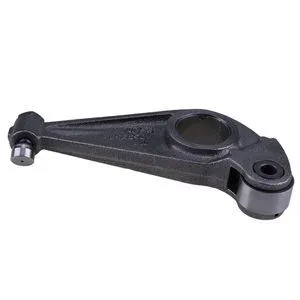
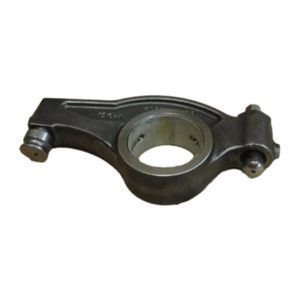
Engine Sequence Variants Verified — rocker lever geometry confirmed against specific Cummins X15 and ISX serial ranges before dispatch.
Technical Specifications
| Parameter |
Value |
| Part Number |
4059353 |
| Cross-Reference |
4059353 (for identification purposes) |
| Product Type |
Rocker Arm |
| Machine Fitment |
X15 Engine, ISX Engine |
| Material |
Forged 42CrMo alloy steel |
| Surface Treatment |
Zinc-nickel plating |
| Surface Hardness |
HRC 38–42 |
| Pivot Bore Tolerance |
±0.008 mm |
| Rocker Arm Geometry |
OEM cam lobe contact angle within ±0.3° |
| Condition |
New Aftermarket |
| Warranty |
6 months standard |
| MOQ |
1 piece |
| Standards |
ISO 9001, SAE J471 |
Application Suitability
| Engine System |
Related Components |
| Valve Train Actuation |
Pushrods, Valve Lifters, Valve Springs |
| Cylinder Head Assembly |
Camshaft, Valve Bridges, Crossheads |
| Lubrication Feed |
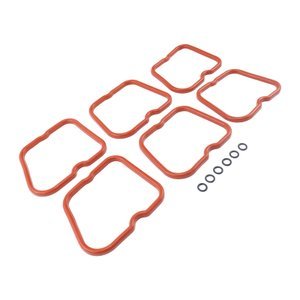
Rocker Shaft, Oil Feed Lines, Gaskets |
| Emission System Interface |
Injector Rocker, VGT Actuator Linkage |
Why the Same Rocker Arm Part Number Ships in Multiple Variants
A single rocker arm 4059353 engine rebuild order can still fail fitment if the engine serial variant is ignored.
In Dubai repair bays, I have watched mechanics pull cylinder heads back off because a rocker lever cleared the valve bridge on paper but bound against the injector clamp on the actual build. Cummins X15 and ISX families share base architecture yet diverge in oil gallery routing and rocker shaft mounting across serial breaks. Ordering by model alone leaves the variance unaddressed until the engine is partially assembled [NEED_CITE: Cummins engine serial break identification for valve train components].
Valve Train System Context and Component Matching
This rocker arm operates within a tightly coupled valve train system where the replacement part must match the existing condition of adjacent hardware. Pushrod tips, lifter faces, and valve stem wear patterns all dictate whether a new rocker lever will seat correctly or transfer abnormal loads. An engine rebuild that replaces only the failed rocker arm 4059353 without inspecting the full actuation path often sees the new part wear prematurely under inherited misalignment.
Rebuild History and Dimensional Grade Selection
Previous overhaul work may have introduced oversize valve stems, resurfaced heads, or non-standard shimming that alters the rocker geometry envelope. When requesting this rocker arm, providing the engine serial number and any known rebuild history allows correct grade selection. A standard-grade lever installed where oversize components shifted the pivot point will exhibit accelerated pivot bore wear [NEED_CITE: diesel engine valve train clearance restoration practices after cylinder head rework].
Forged Alloy Construction and Contact Surface Durability
The forged 42CrMo alloy steel construction delivers the core strength needed for high-cycle cam lobe contact. Zinc-nickel plating provides corrosion protection during storage and initial run-in before oil splash fully covers the lever body. The pivot bore tolerance of ±0.008 mm maintains rocker shaft oil film integrity, preventing the metal-to-metal contact that scores the shaft and necessitates a full top-end teardown far earlier than planned.

The Cost of Skipping Root-Cause Diagnosis
Replacing the rocker arm without identifying what destroyed the original part invites rapid repeat failure. Lubrication starvation from a blocked rocker shaft oil feed, excessive valve spring preload from incorrect spring selection, or a worn cam lobe profile each produce distinctive fracture patterns on the lever. Installing a new rocker arm 4059353 engine rebuild component over an unresolved root cause converts a targeted repair into a recurring teardown cycle [NEED_CITE: valve train failure mode analysis for heavy-duty diesel engines].
Why Engine Rebuild Shops Source Valve Train Sets Here
Own production on selected valve train lines plus qualified sourced supply, all carrying the same quality inspection and warranty terms, means a complete rocker set ships from one accountable source. Cross-reference verification covers superseded numbers across ISX and X15 serial breaks. Compatibility sheets confirming fitment for specific engine builds accompany each order. Technical team confirms dimensional grade and variant before bulk commitment. Sample supply available for fitment trial on the bench before the full consignment ships.
Documentation & Verification
- Commercial invoice listing each rocker arm by serial-confirmed variant
- Compatibility sheet marking OEM reference 4059353 as cross-reference only
- Dimensional inspection covering pivot bore and cam contact angle
- Material certification for forged 42CrMo alloy steel
- Packing photographs of sealed polybags before carton closure
- HS code support for customs clearance across destination markets
Installation & Rebuild Sequence
- Verify pivot bore and rocker shaft diameter match before pressing lever onto shaft
- Inspect pushrod tip and lifter face for inherited wear before installing new rocker arm
- Confirm cam lobe contact angle alignment against valve bridge during assembly
- Torque rocker shaft mounting bolts to engine manual specification
- Pre-lube pivot bore and cam contact face before initial cranking
Request a Compatibility Confirmation
Provide the full engine serial number from the data plate and note any previous cylinder head work or oversize valve components installed. If the nameplate is unreadable, a photograph of the existing rocker lever alongside a ruler for scale allows variant identification. Specify whether this is a single-lever replacement or a full valve train refresh to receive matched component options.
Frequently Asked Questions
Q: Does my engine serial number affect which rocker lever variant I need?
A: Yes. Cummins X15 and ISX engines have serial breaks where oil gallery routing and rocker shaft mounting differ. Providing the engine serial number allows us to confirm which variant of the rocker arm matches your specific build, preventing fitment issues that only surface during reassembly.
Q: What other valve train parts should I inspect when replacing a rocker arm?
A: Pushrod tips, lifter faces, valve stem heights, and the rocker shaft itself should all be checked. Wear on any adjacent component alters the geometry the new rocker arm operates within. We supply matched valve train component sets so the entire actuation path can be refreshed in one order.
Q: How do I know if a previous rebuild changed the valve train clearances?
A: Signs include non-standard shimming, oversize valve stems, or resurfaced head surfaces. If rebuild records are unavailable, measuring installed valve stem height and rocker pivot clearance reveals deviations. Share these measurements with your quote request so the correct grade is selected.
Q: Can I receive matched valve train components in a single consignment?
A: Yes. Rocker arms, pushrods, lifters, and associated gaskets ship together under one account and one warranty. Consolidated dispatch avoids split freight charges and ensures all components arrive simultaneously for the rebuild.
Q: What quality documentation ships with the order?
A: Each shipment includes a compatibility and cross-reference sheet, dimensional inspection record, and material certification. Packing photographs are provided before dispatch. All OEM reference numbers on documentation are marked as identification reference only.