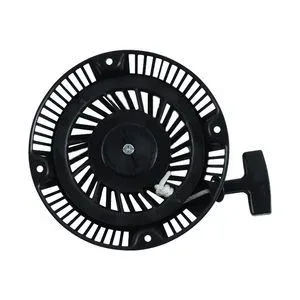
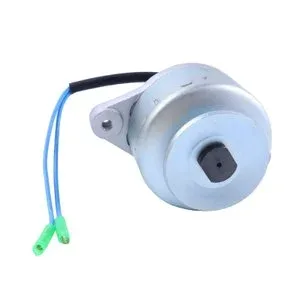
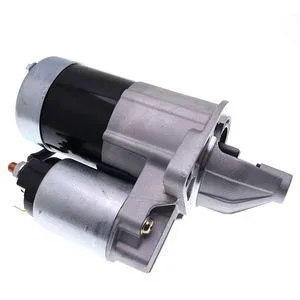
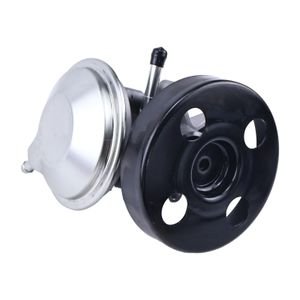
Matched Kit Dispatch — recoil starter, rope, and flywheel key ship together so the Briggs & Stratton 15.5-17.5HP rebuild stays on schedule.
Technical Specifications
| Parameter |
Value |
| Part Number |
150-481 695058 |
| Product Type |
Recoil Starter |
| Cross-Reference |
150-481, 150481, 695-058, 695058 (reference only) |
| Engine Compatibility |
Briggs & Stratton 15.5HP-17.5HP |
| Condition |
New Aftermarket |
| Quality Certification |
ISO 9001 |
| Warranty |
3-12 months against manufacturing defects |
| MOQ |
1 piece |
Application Suitability
| Engine System |
Related Components |
| Auxiliary Starting System |
Starter rope, flywheel key, engine-side mounting fasteners |
| Engine Overhaul Package |
Recoil assembly matched to block and internal parts being rebuilt |
| Pull-Start Engagement Repair |
Pawl mechanism, rewind spring, pulley groove alignment |
Why a Recoil Starter Failure Is Never Just a Starter Problem
A recoil starter engine rebuild replacement ordered alone frequently arrives to a bench where the flywheel key is already sheared, the mounting bolts are seized, or the rope specification does not match the pulley groove — forcing a second order that splits the rebuild timeline. The starting system must be addressed as a matched set, not a single line item.
In珠三角 warehouse bays I have watched engine rebuild shops receive a recoil unit only to discover the rewind spring tension fails the pull-force test because the housing variant does not match the engine serial range [NEED_CITE: engine serial variant differences affecting auxiliary component fitment]. The same base part number can cover engines built across different production runs, each with subtle fastener thread or housing contour changes that are invisible until the unit is on the bench.
System Context for the Starting Assembly
This recoil starter assembly belongs to the engine auxiliary system of Briggs & Stratton 15.5-17.5HP units commonly found in construction equipment, agricultural machinery, and industrial generators. When a rebuild shop quotes a complete overhaul, the starting system is the last component reassembled but the first one the operator tests. A recoil starter engine rebuild replacement that engages cleanly on the first pull confirms that internal tolerances, flywheel alignment, and auxiliary hardware were all addressed during the same service event.
Matched Rope, Flywheel Key, and Serial Variants
Starter rope length, diameter, and knot style must match the pulley groove precisely; supplying the matched rope alongside the assembly eliminates field measurement errors that lead to fraying or premature breakage. The flywheel key condition directly affects recoil engagement — if the key is partially sheared, the new starter will load unevenly and wear out within a short service window [NEED_CITE: flywheel key shear diagnosis in small engine starting systems]. Engine mounting bolt patterns and recoil housing fastener thread sizes vary across serial ranges within the 15.5-17.5HP family, so confirming the exact engine model and serial number before dispatch prevents a mismatch that no amount of force can correct on the bench.
Spec Interpretation for Rebuild Planning
The 15.5HP-17.5HP engine power range determines the rewind spring tension specification — a spring calibrated for a lower-displacement engine will feel sluggish on a 17.5HP flywheel, while one wound too tight will snap the rope at the knot under repeated pulls. ISO 9001 certification on the production line covers dimensional checks on the housing bore, pawl engagement depth, and pulley concentricity, which are the three measurements that separate a starter that lasts through a full service interval from one that binds after a few dozen pulls. New aftermarket condition means the rewind spring is at full factory tension, not fatigued from prior service — a detail that matters when the engine is being rebuilt and the starting system is expected to perform reliably through the break-in period and beyond.

The Cost of Skipping the Adjacent Components
Ordering the recoil unit without inspecting the flywheel key and mounting hardware leads to a pattern I have seen repeatedly: the new starter is installed, the engine fires once, and then the pull cord goes slack because the key was already compromised [NEED_CITE: repeated starter failure caused by undiagnosed flywheel key damage]. The shop then tears the housing back off, orders the missing components, and the engine sits on the bench for another cycle. When the mounting bolt threads in the engine block are corroded or cross-threaded from a prior service, forcing the new housing into place distorts the pawl alignment and causes intermittent engagement that mimics a defective unit.
Why Source This Starting System Here
Selected part lines are produced in our own facility while the remainder comes from qualified ISO-certified manufacturing partners, and both carry identical QC and warranty terms — so whether the recoil starter housing or the matched rope, the same inspection standard applies. Eight product categories mean the starting system components, engine gaskets, and seal kits for the same Briggs & Stratton overhaul ship under one account and one consignment. Minimum order from one piece allows a single emergency replacement or a sample for fitment confirmation before a bulk commitment to a fleet maintenance program. Part identification works from the part number, the engine model, a photograph of the nameplate, or an image of the worn unit — whichever starting point the rebuild shop has available. Cross-reference verification covers superseded and alternate numbers within the 15.5-17.5HP range, reducing the risk of ordering a variant that physically fits but does not engage correctly.
Documentation & Verification
- Commercial invoice and packing list listing each starting-system line item separately
- Part compatibility sheet cross-referencing engine serial ranges (reference only)
- Quality inspection record with pull-force test and rewind spring tension values
- Warranty terms covering manufacturing defects across the matched starter kit
- Packing photographs showing recoil assembly and rope secured against transit damage
- HS code and customs documentation support for international engine parts shipments
Installation & Rebuild Sequence
- Confirm flywheel key condition and replace if any deformation is visible before fitting the new recoil housing
- Match starter rope knot style to the pulley groove and verify free travel through full extension
- Torque housing fasteners to engine-block specification to avoid distorting the pawl mechanism alignment
- Perform five consecutive pull tests to verify consistent rewind spring tension and engagement
- Inspect mounting bolt threads in the engine block for corrosion or cross-threading before final assembly
Requesting a Quote
Provide the Briggs & Stratton engine model, serial number, and any known rebuild history so we can confirm the correct housing variant, matched rope specification, and applicable flywheel key for your starting-system service. Photographs of the existing nameplate or worn unit help when serial numbers are partially illegible.
Frequently Asked Questions
Q: What other parts should be replaced when the recoil starter fails?
A: The flywheel key and starter rope should be evaluated every time the recoil assembly is replaced. A partially sheared key causes uneven loading on the new unit, and a rope that does not match the pulley groove specification will fray prematurely. Including these in the same order keeps the rebuild schedule intact.
Q: Can the starter rope and flywheel key be quoted in the same order?
A: Yes. Engine auxiliary components including the matched rope, flywheel key, and mounting fasteners can all ship in one consignment alongside the recoil starter assembly. This prevents split deliveries and ensures the rebuild shop has every starting-system part on the bench before work begins.
Q: How do engine serial variants affect the recoil housing mounting pattern?
A: Within the Briggs & Stratton 15.5-17.5HP range, housing bolt patterns and fastener thread sizes can differ across production runs. Providing the engine serial number allows us to cross-reference the correct variant before dispatch, avoiding a physical mismatch that is only discovered during installation.
Q: What quality checks are performed on the rewind spring and pawl mechanism before shipment?
A: Each unit undergoes a pull-force test to verify rewind spring tension and a pawl engagement depth measurement against the pulley. Housing bore concentricity is also checked under our ISO 9001 production protocol. Inspection records are available with the shipment.
Q: Is sample testing available to confirm fit before committing to bulk orders?
A: A single sample unit can be supplied for fitment confirmation on the specific engine model in your rebuild program. Once the housing variant, rope length, and mounting pattern are verified, bulk orders proceed with confirmed compatibility.