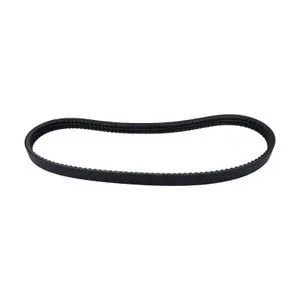
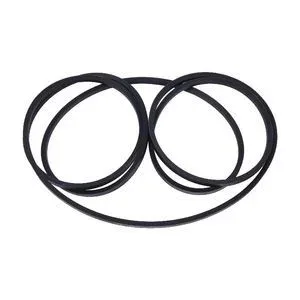
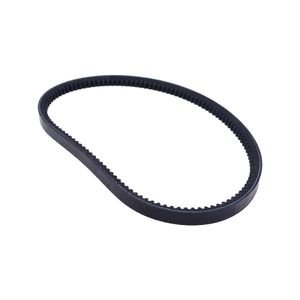
System-Matched Supply — Drive pump belt verified against Bobcat engine serial variants, shipped alongside matched overhaul components.
Technical Specifications
| Parameter |
Value |
| Part Number |
6736775 |
| Product Type |
Belt |
| Cross-Reference |
6736775 (reference only) |
| Machine Fitment |
753, S130, S150, S160, S175, S185, S205, T140, T180, T190, Toolcat 5600 |
| Length |
1477mm (58.15 inches) |
| Width |
30.2mm (1.19 inches) |
| Groove Count |
3 grooves |
| Design |
Variable cog design, fiber-loaded backing |
| Condition |
New Aftermarket |
| Warranty |
3-12 months against manufacturing defects |
| Minimum Order |
1 piece |
| Standards |
ISO 9001 |
Application Suitability
| Engine System |
Related Components |
| Engine-to-hydraulic pump power transfer |
Crankshaft pulley, hydraulic pump drive shaft |
| Accessory drive during top-end overhaul |
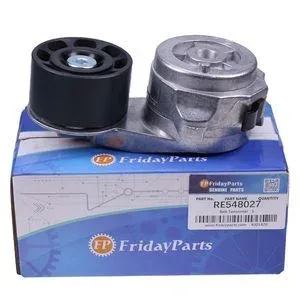
Tensioner assembly, idler pulleys |
| Full engine rebuild belt drive circuit |
Front cover gasket set, crankshaft front seal |
| Skid steer loader hydraulic system |
Drive pump mounting hardware, pump bearing |
Diagnosing Root Causes Before a Drive Pump Belt engine rebuild
A failed belt is often a symptom of a misaligned pulley, worn tensioner, or neglected pump bearing elsewhere in the system.
When I sourced parts for repair shops in the Yangtze River Delta, I learned the hard way that swapping a belt without checking the rest of the drive train leads to repeat failures. One Bobcat S185 came back with a shredded belt because the hydraulic pump shaft had excessive play that nobody measured during the previous engine rebuild. A drive pump belt engine rebuild plan must address the entire power-transfer path from crankshaft to pump [NEED_CITE: belt drive system alignment tolerances for compact loaders]. Skipping the tensioner or idler inspection during a top-end job means the new belt absorbs the same destructive forces that killed the last one. Engine serial variants across Bobcat generations can alter pulley routing, making the wrong belt length a costly discovery on the bench.

The Belt's Role Within the Bobcat Engine Power-Transfer System
This belt is the sole mechanical link between the engine crankshaft pulley and the hydraulic pump on compatible Bobcat loaders. During a drive pump belt engine rebuild, it must be evaluated as part of the complete accessory drive circuit, not as an isolated wear item. Engine overhaul kits typically focus on internal components, leaving the belt drive system to be addressed separately by the purchasing team.
Engine Serial Variants and Rebuild History Matching
Bobcat loaders within the same model designation can carry different engine builds depending on production year and emission tier. A drive pump belt engine rebuild requires confirming the specific engine serial number, because pulley configurations and belt routing may differ between variants. If the engine was previously rebuilt, measuring the current tensioner travel and checking for aftermarket pulley substitutions prevents fitment surprises [NEED_CITE: engine serial variant identification for compact equipment overhaul]. Fiber-loaded backing and variable cog design help manage heat and flex in high-cycle operation, but only if the surrounding hardware is within specification.
Decoding the Specification Sheet for Rebuild Planning
The 1477mm length and 30.2mm width define the physical envelope, while the 3-groove profile determines how load is distributed across the pulley faces. Variable cog design reduces bending resistance as the belt wraps around smaller pulleys, lowering internal heat generation during cold starts and continuous high-RPM work. Fiber-loaded backing resists tensile stretch that causes slippage under hydraulic pump load spikes. When planning an overhaul, comparing these specs against the service manual ensures the replacement matches the original drive ratio and tension requirements.
The Hidden Cost of Wrong Grade or Missed Root Cause
Installing a belt without replacing a fatigued tensioner leads to early cracking, forcing the machine back into the bay for a second teardown. Shops that treat the belt as a standalone line item on an engine rebuild quote often face warranty disputes when adjacent components were not addressed. A mismatched groove profile or incorrect length discovered mid-assembly costs labor hours and delays the machine's return to the customer [NEED_CITE: common belt drive failure modes in compact equipment rebuilds].
Why Engine Rebuild Shops Source This Belt Here
Own production on selected drive lines and qualified sourced supply carry the same QC and warranty terms, so a belt ordered alongside an overhaul gasket kit ships under one account. Eight product categories allow a complete rebuild list — from piston rings to front seals to drive belts — to consolidate into one dispatch. One-piece minimum means a single emergency belt for a machine already down does not trigger an arbitrary volume threshold. Cross-reference verification covers superseded numbers, catching cases where a base part number shifted across Bobcat engine generations. Technical support confirms fitment from engine serial number or nameplate photograph before the order is finalized. Sample supply lets a rebuild shop verify groove profile and length on the bench before committing to bulk stock.
Documentation & Verification
- Commercial invoice listing belt part number and engine compatibility reference
- Cross-reference sheet mapping superseded Bobcat belt numbers (reference only)
- Dimensional inspection record covering length, width, and groove profile
- Warranty terms covering manufacturing defects for 3-12 months
- Packing photographs showing belt coiling and protective wrapping before dispatch
- HS code and customs classification support for international engine parts shipments
Installation & Rebuild Sequence
- Verify engine serial number against Bobcat service data before unboxing the belt.
- Inspect tensioner travel, idler bearing play, and pump shaft runout with the old belt removed.
- Route the belt following the specific variant diagram, noting any aftermarket pulley substitutions.
- Apply manufacturer-specified tension and rotate the crankshaft two full turns to seat the grooves.
- Run the engine at idle for initial bedding, then recheck tension after the first heat cycle.
Requesting a Rebuild-Grade Quotation
Provide the engine model, serial number, and any known rebuild history so we can confirm the correct belt variant and cross-reference adjacent drive components. If the machine is mid-teardown, a photograph of the old belt and pulley arrangement helps verify groove count and routing before the order ships.
Frequently Asked Questions
Q: What other belt drive components should I inspect when installing this belt during a rebuild?
A: Check the tensioner spring travel and pivot bushing for wear, spin each idler pulley to feel for bearing roughness, and measure hydraulic pump shaft runout. A worn tensioner or seized idler will shorten the new belt's life regardless of its quality. Addressing these during the same teardown avoids a second disassembly.
Q: How do I confirm this belt matches my specific Bobcat engine serial variant?
A: Send us the engine serial number from the nameplate, not just the machine model. Bobcat used different engine builds across loader generations, and pulley routing can vary. We cross-reference the serial against build records to confirm the correct belt length and groove configuration before shipping.
Q: My previous belt failed early — how do I find the root cause in the engine system?
A: Examine the failed belt for uneven wear patterns indicating pulley misalignment, glazing from chronic slippage, or cracking from excessive heat. Check whether the tensioner was replaced during the last overhaul and whether the pump bearing has developed play. These system-level faults destroy replacement belts quickly.
Q: Can I order this belt together with an engine overhaul gasket kit in one shipment?
A: Yes. We consolidate belts, gasket sets, seals, and related engine components under one order with unified warranty terms. This avoids split freight and ensures everything for the rebuild arrives together, reducing the risk of a partially completed job waiting on a second delivery.