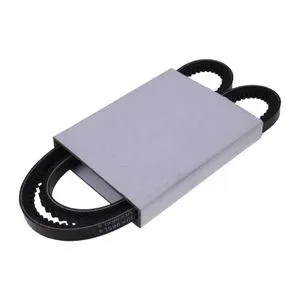
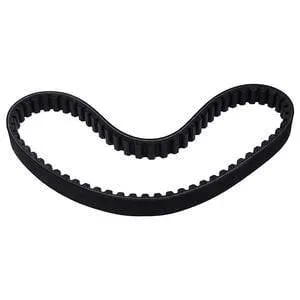
Matched Sets Shipped Together — Every clutch drive belt leaves our Guangzhou facility paired with verified cross-reference documentation and adjacent drivetrain components when ordered as a system kit.
Technical Specifications
| Parameter |
Value |
| Part Number |
3211218 |
| Product Type |
Belt |
| Cross-Reference |
3211218 (reference only), 26C4057 (reference only) |
| Machine Fitment |
Ranger XP 1000 EPS Trail Boss (2021), Ranger XP 1000 EPS Premium (2020), Ranger SP 570 EPS (2022–2024), Ranger Crew 1000 EPS (2020–2024), Ranger 1000 EPS Premium (2020–2024), Pro XD Full-Size Gas (2022–2024), Pro XD Mid-Size Gas (2022–2024), Pro XD 4000G (2020–2021), Pro XD 2000G (2020–2021) |
| Part Name |
Clutch Drive Belt |
| Condition |
New Aftermarket |
| Material |
Aramid-reinforced HNBR rubber compound |
| Surface Treatment |
Anti-static coating on inner fabric layer |
| Tooth Profile |
Trapezoidal |
| Dimensional Tolerance |
±0.15 mm |
| Surface Hardness |
72±3 Shore A |
| Operating Temperature Range |
−20°C to +85°C |
| Warranty |
6-month warranty against manufacturing defects |
| MOQ |
1 piece |
| Manufacturing Standard |
ISO 9001 |
Application Suitability
| Engine System |
Related Components |
| Primary CVT clutch assembly |
Primary clutch sheave faces, spider weights, one-way bearing |
| Secondary CVT clutch assembly |
Secondary spring, helix, slider buttons |
| Belt drive power transfer |
Drive belt tension indicators, clutch alignment shims |
| Engine mounting and alignment |
Engine mounts, drivetrain alignment bushings |
| Cooling and ventilation |
Clutch housing intake ducts, cooling fan assemblies |
When a New Belt Fails Before the Next Service Window
The belt is the symptom — the clutch system is the cause.
In copper mine utility fleets across northern Chile, I have processed warranty returns on drivetrain belts that failed within weeks of installation. The pattern is consistent: the old belt was removed, a replacement was installed, and the machine returned to service without anyone inspecting why the original belt failed in the first place. Worn sheave faces on the primary clutch create uneven loading across the belt cord. A fatigued secondary spring allows the belt to slip at engagement RPM. Degraded engine mounts shift the drivetrain alignment just enough to track the belt off-center. None of these conditions show up until the new clutch drive belt engine replacement rebuild starts shedding rubber [NEED_CITE: CVT drivetrain root cause analysis methodology for utility vehicles].

The Drivetrain System This Belt Belongs To
This belt sits between the primary and secondary clutch assemblies in a continuously variable transmission, transferring engine output to the final drive. The trapezoidal tooth profile meshes directly with the clutch sheave grooves. Replacing the belt is one step in a drivetrain service sequence that should include sheave face inspection, spring tension verification, and alignment confirmation. A clutch drive belt engine replacement rebuild performed without addressing adjacent wear surfaces shortens the life of the new belt and risks repeat downtime.
Why the Previous Belt Failed Matters More Than the New One
Before installing a replacement, inspect the primary clutch sheave faces for scoring or uneven wear patterns that indicate misalignment. Check the secondary spring for fatigue by comparing its free length against specification — a weakened spring causes the belt to ride at the wrong ratio under load. Examine the engine mounts for cracking or collapse, since even slight drivetrain shift forces the belt to track against one sheave edge. These checks take minutes during a belt swap but prevent the kind of repeat failure I have documented across multiple Pro XD and Ranger fleet accounts [NEED_CITE: CVT belt failure modes related to clutch component wear].
Material Selection and What It Handles in Service
The aramid-reinforced HNBR compound resists the heat buildup that accumulates during sustained high-RPM operation under variable load — the exact condition UTV drivetrains experience on haul roads and mine site gradients. HNBR maintains flexibility across the −20°C to +85°C operating window, which matters for fleet vehicles moving between cold-altitude mornings and midday dust. The anti-static coating on the inner fabric layer prevents electrostatic charge accumulation that accelerates rubber degradation in dry, dusty environments typical of quarry and agricultural operations. The trapezoidal tooth profile holds dimensional tolerance within ±0.15 mm, ensuring consistent engagement with the clutch sheave grooves without the chatter or slip that marks a poorly matched belt.
What Happens When You Skip the System Check
A belt installed into a drivetrain with worn clutch components fails differently than one installed correctly. Sheave face wear concentrates load on a narrow band of the belt cord, causing localized aramid fiber fatigue that progresses to sudden separation rather than gradual wear. A weak secondary spring lets the belt slip during engagement, generating surface heat that glazes the HNBR compound and reduces grip. Neither condition is visible during a casual visual inspection — they reveal themselves only when the replacement belt comes apart. The cost is not just the belt. It is the second teardown, the second machine-down event, and the erosion of trust between the workshop and the fleet manager who authorized the repair [NEED_CITE: UTV drivetrain repeat failure cost impact in fleet operations].
Why Source This Belt Through Our System-Level Approach
We produce selected part lines in our own facility and source the remainder from qualified ISO 9001-certified manufacturing partners, so both carry the same quality control and warranty terms. This clutch drive belt ships under a single account alongside clutch springs, sheave components, seal kits, and filters when you are quoting a complete drivetrain service. The minimum order is one piece, so an emergency single-belt purchase does not require meeting a volume threshold. Our technical team verifies cross-reference compatibility against your specific Ranger or Pro XD model year and engine serial before dispatch. We provide a part compatibility and cross-reference sheet with every shipment, and sample supply is available for fitment confirmation before you commit to fleet-scale quantities.
Documentation & Verification
- Commercial invoice and packing list referencing belt part number and quantity per line item
- Part compatibility and cross-reference sheet confirming 3211218 and 26C4057 interchange (reference only)
- Dimensional check record covering tooth profile conformance and width tolerance before dispatch
- 6-month warranty terms document covering manufacturing defects with replacement procedure
- Packing photographs showing belt condition and protective packaging prior to crate closure
- HS code classification and customs documentation support for cross-border shipment
Installation & Rebuild Sequence
- Inspect primary and secondary clutch sheave faces for scoring before routing the new belt onto the assembly
- Verify secondary spring free length and replace if fatigued to prevent engagement slip on the new belt
- Confirm engine mount condition and drivetrain alignment to ensure the belt tracks centered on both sheaves
- Route the belt with the trapezoidal teeth fully seated in the sheave grooves, checking for twists along the full span
- Cycle the clutch manually through its full travel range to confirm smooth belt movement before reassembly
- Run the engine at idle for initial break-in, monitoring for unusual vibration or belt tracking deviation
Request a Drivetrain System Quote
Provide your UTV model, model year, and engine serial number so we can verify cross-reference compatibility and confirm the correct belt variant. If you are planning a full drivetrain overhaul, share your complete component list and we will identify which adjacent parts should ship in the same consignment. For fleet accounts, tell us your platform mix and we will prepare a stocking recommendation covering all applicable Ranger and Pro XD model years.
Frequently Asked Questions
Q: What should I inspect or replace along with the clutch drive belt?
A: Before installing a new belt, inspect the primary clutch sheave faces for wear, check the secondary spring free length, and examine engine mounts for deterioration. Replace worn spider weights and slider buttons as matched sets. Addressing these adjacent components during the same service window prevents premature belt failure and avoids a second teardown.
Q: How do I confirm this belt matches my specific Ranger or Pro XD model year?
A: Provide your full vehicle model designation, model year, and engine serial number. We verify fitment against our cross-reference database covering both 3211218 and 26C4057 interchange numbers (reference only). This step catches superseded part numbers and variant differences across model generations before the belt ships.
Q: What causes premature belt failure and how do I prevent it from recurring?
A: Common root causes include worn clutch sheave faces, fatigued secondary springs, degraded engine mounts causing misalignment, and electrostatic buildup in dry environments. Inspect these system components during every belt replacement. Our anti-static coated belts address charge accumulation, but mechanical causes must be resolved at the component level.
Q: Can I get a sample to verify fitment before ordering for my fleet?
A: Yes. We supply single-piece samples so your workshop can confirm physical fitment on the actual machine before committing to a fleet-scale order. This eliminates the risk of ordering bulk quantities that do not match a specific model year variant or drivetrain configuration.
Q: Are the 3211218 and 26C4057 numbers interchangeable for the same application?
A: Both numbers serve as cross-reference identifiers for the same clutch drive belt application across Polaris Ranger and Pro XD platforms. We verify the correct number against your specific model year and serial range before shipment, since some model generations transitioned between these references during production changes.