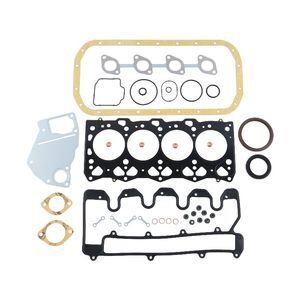
Matched System Components — Each 3904166 cylinder liner ships with verified piston ring sets and head gaskets matched to your engine serial variant, preventing mismatched tolerances during rebuild.
Technical Specifications
| Parameter |
Value |
| Part Number |
3904166 |
| Product Type |
Cylinder Liner |
| Cross-Reference |
3904166, DS-3904166, DS-3904166OS, DS3904166OS, DS3904166 (reference only) |
| Machine Fitment |
4B3.9, 6B5.9, B3.3, B3.9-V110, B5.9 G, B5.9 GAS PLUS CM556, B5.9 LPG PLUS CM556, B5.9-C, B5.9-M330, G5.9, G5.9 CM558, ISB, ISB CM2150, ISB CM550, ISB CM850, ISB5.9G CM2180, ISB6.7 CM2250, ISB6.7 CM2350 B101, ISBE CM800, ISBE4 CM850, QSB3.9 30 CM550, QSB4.5 30 CM550, QSB4.5 CM850(CM2850), QSB5.9 30 CM550, QSB5.9 44 CM550, QSB5.9 CM550, QSB5.9 CM850, QSB5.9480H0, QSB5.9G, QSB6.7 CM2250, QSB6.7 CM850(CM2850) |
| Material |
Centrifugally cast pearlitic grey iron (ASTM A48 Class 30B) |
| Surface Finish |
Plateau-honed (Ra 0.2–0.4 μm) |
| Interference Fit Tolerance |
±0.005 mm |
| Hardness |
200–230 HB |
| Inspection Method |
Magnetic particle inspection, bore roundness verification, surface finish inspection, pressure testing |
| Condition |
New Aftermarket |
| Warranty |
3–12 months against manufacturing defects |
| MOQ |
1 piece |
Application Suitability
| Engine System |
Related Components |
| Engine block assembly |
Piston rings, piston assembly, connecting rod bearings |
| Cylinder head interface |
Head gasket set, valve stem seals, head bolts |
| Cooling system integration |
Coolant seals, O-rings, water pump gasket |
| Lubrication circuit |
Oil pan gasket, oil pump pickup seal |
| Emission control |
Valve guide seals, intake manifold gasket |
When Liner Dimensions Don't Match the Block
Engine rebuilds fail when the cylinder liner oversize grade conflicts with block machining history.
A cylinder liner engine overhaul rebuild requires precise dimensional matching. The same base part number ships in standard and multiple oversize grades, each designed for blocks machined during previous rebuilds. Installing a standard liner into a block already bored for 0.25mm oversize creates insufficient interference fit, leading to coolant seepage and liner movement under load [NEED_CITE: cylinder liner interference fit requirements for diesel engines]. I've watched crews tear down complete engines only to discover the piston-to-liner clearance was wrong because nobody checked what machining had been done five years ago.

The System Behind Single-Cylinder Failures
This cylinder liner operates within the engine block assembly of Cummins ISB and QSB powerplants. The liner interfaces directly with piston rings, piston cooling jets, and the coolant jacket. When one bore shows scuffing or cracking, the failure often traces to cooling system restrictions, oil contamination, or thermal cycling from adjacent cylinders rather than liner material alone.
Why Engine Serial Numbers Matter
Different engine serial variants within the ISB and QSB families use liners with subtle dimensional differences in flange thickness and outer diameter tolerance bands. The CM850, CM2150, and CM2250 control module designations correspond to specific production runs where liner specifications shifted. Confirming your engine serial number before ordering prevents receiving a liner that physically fits but creates incorrect piston protrusion or ring land spacing [NEED_CITE: Cummins ISB QSB engine serial variant identification].
Material Properties That Affect Rebuild Outcomes
The centrifugally cast pearlitic grey iron construction provides the thermal conductivity needed to transfer piston heat into the coolant jacket. Plateau-honed bore surfaces with Ra 0.2–0.4 μm finish allow piston rings to seat quickly while maintaining oil film thickness. The ±0.005 mm interference fit tolerance ensures consistent liner-to-block contact across all six cylinders, preventing localized hot spots that accelerate ring wear. Magnetic particle inspection catches subsurface inclusions that would otherwise propagate into fatigue cracks during sustained high-load operation.

The Cost of Skipping System Verification
Ordering a single liner without checking oversize grade, ring set compatibility, and head gasket thickness creates predictable failures. A liner installed in the wrong oversize grade will either move under combustion pressure or crack during press-fit installation. Mismatched piston ring sets cause excessive oil consumption or fail to seal combustion gases. Head gaskets of incorrect thickness alter compression ratio and piston-to-valve clearance. These mismatches force complete re-teardown, doubling labor hours and extending equipment downtime [NEED_CITE: diesel engine rebuild quality control procedures].
Why Source Through This Channel
Own production lines for selected cylinder components plus qualified sourced supply maintain consistent quality standards across the entire engine rebuild kit. Eight product categories allow complete overhaul orders to consolidate under one account with unified warranty terms. Single-piece minimum order quantities support emergency single-cylinder repairs without forcing full engine set purchases. Guangzhou warehouse stock enables rapid dispatch on common ISB and QSB applications. Part identification from engine serial number, component photograph, or nameplate image resolves uncertainty when original labels are worn or painted over. Cross-reference verification covers superseded part numbers and alternate designations across Cummins production generations.
Documentation & Verification
- Commercial invoice listing each liner with engine serial cross-reference
- Compatibility sheet confirming oversize grade matches block machining history
- Dimensional inspection record covering bore geometry and surface roughness
- Warranty terms specifying coverage period and claim procedure
- Packing photographs showing liner protection and labeling before dispatch
- HS code documentation supporting customs clearance for international shipments
Installation & Rebuild Sequence
- Verify block counterbore dimensions match liner flange thickness before installation
- Clean coolant jacket passages to prevent restriction causing localized overheating
- Check piston ring end gaps in the new liner before assembling piston into bore
- Confirm head gasket thickness matches piston protrusion specification
- Torque head bolts in sequence and verify liner flange height after clamping
- Run initial break-in cycle at reduced load to seat rings before full operation
Requesting the Correct Configuration
Provide your engine model, serial number, and any previous rebuild documentation to receive matched liner and gasket specifications. Include block machining history if available to confirm oversize grade requirements.
Frequently Asked Questions
Q: What oversize grade do I need if the block has been machined before?
A: The correct grade depends on your block's current bore diameter, which requires measurement during teardown. Previous rebuilds may have already taken the block to 0.25mm or 0.50mm oversize. Providing your engine serial number and any machining records allows verification against original specifications before ordering.
Q: Does the overhaul kit include the seals and gaskets for this liner?
A: Complete overhaul kits contain head gaskets, coolant seals, and O-rings matched to your engine variant. However, kit contents vary by supplier and application. Request a detailed contents list to verify all required seals are included for your specific ISB or QSB configuration.
Q: How do I confirm compatibility across different ISB/QSB serial variants?
A: Engine serial numbers identify production date and configuration changes. Different control module designations (CM850, CM2150, CM2250) correspond to specification updates. Providing your complete engine serial allows cross-reference against production records to identify the exact liner dimensions required.
Q: What other components should be replaced at the same time as the liner?
A: Piston rings, piston assembly, connecting rod bearings, and head gasket set should be evaluated during liner replacement. Coolant seals and oil pan gaskets are typically replaced during reassembly. The specific components depend on engine hours and condition assessment during teardown.