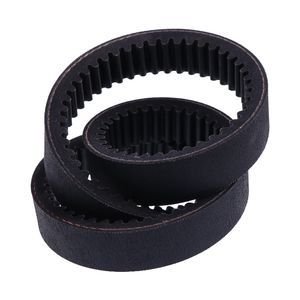
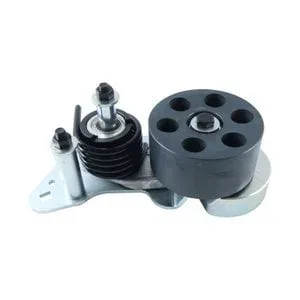
Matched Set Dispatch — All fan drive tensioning components ship together as one verified kit, preventing partial rebuilds that force machines back onto the bench weeks later.
Technical Specifications
| Parameter |
Value |
| Part Number |
6662997 |
| Product Type |
Belt Tensioner Kit |
| Cross-Reference |
6662997, 6702474, 6725212, 38C820, 6655781, 6704820, 6700115, 73G656, 6704444, 6660995, 6704443, 61D6 (reference only) |
| Machine Fitment |
Bobcat Skid Steer Loaders: 653, 751, 753, 763, 773, 7753, 853, 863, 864, 873, 883, 963, S130, S150, S160, S175, S185, S205, S220, S250, S300; Track Loaders: T140, T180, T190, T200, T250, T300; Wheel Loaders: A220, A300 |
| Condition |
New Aftermarket |
| Warranty |
3-12 months against manufacturing defects |
| Kit Contents |
Screw 38C820, Bearing 6655781, O-RING 6704820, Spring 6700115, Screw 73G656, Arm 6725212, Washer 6704444, Grease Ring 6660995, Fan Drive Idler Pulley 6662997, Bushing 6704443, Retainer 6702474, Nut 61D6 |
| Minimum Order |
1 piece |
| Manufacturing Standard |
ISO-certified facility |
Application Suitability
| Engine System |
Related Components |
| Fan Drive Belt Tensioning |
Drive belt, cooling fan, pulley alignment surfaces, water pump bearing |
| Engine Auxiliary Drive |
Serpentine belt routing path, alternator mounting bracket, crankshaft damper |
| Scheduled Engine Overhaul |
Complete overhaul gasket set, main and rod bearings, piston ring sets |
| Preventive Cooling Service |
Thermostat housing gasket, coolant hoses, radiator cap, fan shroud hardware |
Why the Fan Drive Belt Keeps Snapping After a Pulley Swap
Replacing the pulley alone while ignoring a fatigued torsion spring or worn pivot bushing sets up the next belt failure within weeks.
In copper mine operations across the Atacama, I have watched skid steer loaders return to the workshop repeatedly because the belt tensioner kit was never treated as a system. The idler pulley bearing seizes from dust ingress, the spring loses preload tension under sustained thermal cycling, and the arm bushing develops play that throws the entire belt path out of alignment. A belt tensioner kit engine rebuild replacement must address every wear surface simultaneously, or the root cause simply migrates to whichever component is now the weakest link in the drive loop. [NEED_CITE: fan drive system alignment tolerances for mobile diesel engines]
The Belt Drive System as a Closed Loop
The fan drive is not a collection of independent parts — it operates as a single tensioned loop where every component bears the load imposed by every other. This Belt Tensioner Kit includes the idler pulley, tension arm, torsion spring, pivot bushing, bearing, retainer, grease ring, O-ring, and all mounting hardware verified to function together as a matched assembly. When one element degrades, the stress redistributes across the remaining components, accelerating their failure in sequence.
Addressing the Failure Pattern, Not Just the Failed Part
Workshops that replace only the squealing pulley without checking spring tension and bushing clearance typically see the machine back on the bench before the next scheduled service. The grease ring and O-ring in this kit seal the pulley bearing against the fine particulate contamination that causes premature seizure on dusty grading and excavation sites. The torsion spring is specified to maintain consistent belt tension across the full operating temperature range of the engine, preventing the slippage that leads to overheating and eventual belt glazing or snapping. [NEED_CITE: belt drive failure root cause analysis methodology for off-highway equipment]
Reading the Kit Contents Against Your Engine Build
The twelve components in this kit are matched to specific Bobcat engine variants found across the 653 through S300 skid steer range and the T140 through T300 track loader series. Different engine serial ranges within the same machine model can carry variations in arm geometry or spring rate. Confirming the engine serial number before ordering ensures the arm pivot alignment and spring preload match your specific build, eliminating the situation where a technically correct part number still produces incorrect belt tension on your engine.

What Happens When You Order Parts Individually
Sourcing the idler pulley from one supplier and the spring, bearing, and bushing from others introduces tolerance stack-up across components that were never dimensionally verified together. An arm that is marginally out of alignment combined with a spring that sits at the soft end of its tolerance band produces a belt path that looks correct on the bench but drifts under load. The resulting premature belt failure is rarely diagnosed as a system problem — the pulley gets blamed again, replaced again, and the cycle continues.
Tolerance Matching Across the Rebuild
Every dimension in this kit — the bushing inner diameter, the arm pivot bore, the spring end hooks, the pulley bearing seat — is manufactured and checked as part of one production batch. The fasteners meet torque specifications for the Bobcat fan drive mounting pattern, which matters because sustained vibration on a loader working in rock or hardpan will loosen under-torqued hardware progressively until the assembly shifts position. [NEED_CITE: torque specification retention under sustained vibration for auxiliary drive mounts]
The Cost of Skipping the Full Kit
When a tensioner is replaced piecemeal, the machine may run acceptably for days before a marginal spring or worn bushing allows belt deflection to exceed specification. The loader then overheats during a high-load cycle — trenching in compacted soil or pushing uphill on a grade — and the belt fails catastrophically. What could have been a single planned service event becomes an unplanned downtime incident on a job site where a replacement machine may be days away. [NEED_CITE: unplanned downtime cost impact for compact loader fleet operations]
Why Rebuild Shops Source This as One Line Item
Engine rebuild facilities that stock this Belt Tensioner Kit as a single SKU eliminate the risk of a technician pulling mismatched components from separate bins during a fan drive reassembly. Having all twelve components arrive together, verified against the same engineering drawing set, means the rebuilt engine leaves the shop with a tensioning system that holds specification from first startup. The kit approach also simplifies inventory management — one part number on the shelf represents the complete tensioner assembly rather than a dozen individual bins.
Our selected production lines and qualified sourced supply operate under identical QC protocols and the same warranty terms, so every component in this kit carries the same coverage regardless of origin facility. Eight product categories under one account means this kit ships alongside belts, gasket sets, and cooling system components in a single consignment. The one-piece minimum order supports the single-machine emergency overhaul as readily as the fleet-wide preventive stocking program. Components are identified and cross-referenced from your part number, machine model, or a photograph of a worn nameplate — and our technical team is available to confirm variant applicability before you commit to a bulk order.
Documentation & Verification
- Commercial invoice and packing list detailing all twelve kit components by individual part number
- Cross-reference sheet mapping OEM interchange numbers (reference only) to your specific machine model
- Dimensional inspection records covering pulley bearing bore, spring rate, and arm pivot clearance
- Warranty terms covering manufacturing defects for 3-12 months from date of dispatch
- Packing photographs confirming kit completeness before crate closure
- HS code classification and customs documentation support for international engine parts shipments
Installation & Rebuild Sequence
- Clean the fan drive mounting surface and inspect for residual gasket material before positioning the retainer
- Verify bushing inner diameter and arm pivot bore for scoring or ovality from prior service
- Install the grease ring and O-ring onto the pulley bearing before pressing into the arm housing
- Torque all mounting fasteners to Bobcat fan drive specifications, re-checking after initial heat cycle
- Route the drive belt and confirm alignment across all pulleys with the engine at rest before first start
- Monitor belt tension and tracking through the first hour of loaded operation
Request a System-Level Quote
Provide your engine serial number, machine model, and any prior rebuild history so we can confirm this kit variant matches your specific fan drive configuration. If you are planning a complete engine overhaul, include your full service list — belts, gasket sets, bearing shells, piston assemblies — and we will quote everything as one matched shipment.
Frequently Asked Questions
Q: What exactly is included in this tensioner kit and does it cover my engine variant?
A: The kit contains the idler pulley, tension arm, torsion spring, pivot bushing, bearing, retainer, washer, grease ring, O-ring, and all mounting screws and nuts — twelve components total. Coverage spans most Bobcat skid steer and track loader engine variants, but engine serial ranges within the same machine model can carry different arm geometries. We confirm applicability against your serial number before dispatch.
Q: Should I replace the drive belt at the same time as the tensioner?
A: Yes. A belt that has been running under incorrect tension develops internal cord damage and glazing that are not always visible on inspection. Installing a fresh tensioner assembly against a fatigued belt shifts the failure point to the belt rather than the pulley. We supply matched drive belts alongside this kit in a single consignment.
Q: How do I identify whether my machine needs this kit or a different variant?
A: Engine serial number is the most reliable identifier, as the same Bobcat machine model may have been built with different engine configurations across production years. Send us your serial plate photograph or engine data tag image, and we cross-reference the variant against this kit's component specifications before you order.
Q: What system faults cause repeated tensioner failure beyond normal wear?
A: Pulley misalignment from a bent mounting bracket, excessive crankshaft end-play transferring vibration into the drive loop, and coolant leaks degrading the belt compound all accelerate tensioner wear. Replacing the tensioner without investigating these upstream faults leads to repeat failure within a short service window.
Q: Can I order this kit together with belts and other fan drive components in one shipment?
A: Yes. Engine parts, cooling system components, seal kits, and general spares all ship from the same account under one consignment. Providing your complete overhaul or service list allows us to consolidate everything into a single dispatch with matched lead times and unified warranty coverage.