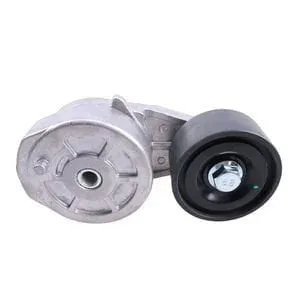
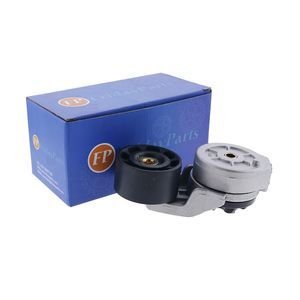
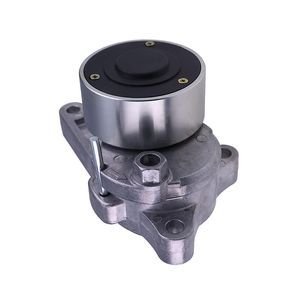
Engine Serial Variants Confirmed — Each tensioner is matched to the specific F4D/F4H/F4GE build code, not just the tractor model badge.
Technical Specifications
| Parameter |
Value |
| Product Type |
Belt Tensioner |
| Part Number |
504315786, 504028028, 87803067, 2856945, 4892866, 504315781, 534026610, 2855622, 2852161 |
| Cross-Reference (reference only) |
504315786, 504028028, 87803067, 2856945, 4892866, 504315781, 534026610, 2855622, 2852161 |
| Machine Fitment |
T6080, T6090, T7.170, T7.185, T7.200, T7.210, TS6030, TS6.110, TS6.120, TS6.125, TS6.140, TS100A, TS100A STANDARD, TS115A, TS115A STANDARD, TS130A STANDARD, TS135A, T1804B, TV6070, U80B, T6010, T6020, T6030, T6040, T6050, T6060, T6070, LB110.B, LB115.B 4WS, LB75.B, LB90.B, B100B, B100BLR, B100BTC, B110, B110 TIER 3, B110B, B110BTC, B115, B115 TIER 3, B115B, B90B, B95, B95B, B95BLR, B95BTC, B95LR, B95TC, C190, L190, LS190.B, LT190.B, HW305, HW305S, HW325 |
| Housing Material |
High-silicon gray iron (ASTM A48 Class 30B) |
| Bearing Type |
Sealed double-row angular contact roller bearing (ISO 15:2021) |
| Spring Calibration |
±2.5 N·m tolerance |
| Mounting Interface Accuracy |
±0.05 mm CNC-machined |
| Bearing Service Life Rating |
12,000+ hours at 3,200 RPM |
| Condition |
New Aftermarket |
| Warranty |
3–12 months against manufacturing defects |
| MOQ |
1 piece |
| Engine Compatibility |
F4DFE4131 B007/B008, F4DFE4132 B005/B006, F4DFE4133 B007/B008, F4DFE4134 B006, F4DFE413R/S/T/U B003/B002, F4DFE6132 B007, F4DFE613B A004, F4DFE613G/J/K/M B006/B008/B003, F4HFE413P A001, F4HFE613B/H/J/K B006/B003/B005/B002, F4GE0454E D666, F4GE0484G D666 |
| Standards |
ISO 9001, ISO 15:2021, ASTM A48 Class 30B, ISO/SAE J1927 |
Application Suitability
| Engine System |
Related Components |
| Front-end belt drive (alternator circuit) |
Alternator pulley, drive belt, idler pulley |
| Water pump circulation loop |
Water pump pulley, pump bearing, coolant hoses |
| AC compressor drive |
Compressor clutch, serpentine belt, AC mounting bracket |
| Crankshaft fan drive |
Fan hub, fan blade assembly, crankshaft pulley |
| Complete front-end overhaul |
Matched belt set, all idler pulleys, tensioner arm assembly |
Why the Same Belt Tensioner Part Number Ships in Multiple Variants
The tractor badge alone does not determine the correct tensioner — the engine build code does.
I have seen New Holland T6080 units sit idle in mining camps because a belt tensioner replacement arrived with the wrong spring calibration for the F4DFE6132 B007 variant under the hood. The installer bolted it on, the belt squealed within hours, and a second teardown followed. Across the F4DFE and F4HFE families, pivot geometries and spring rates shift between B003 through B008 build codes, even when the external casting looks identical [NEED_CITE: engine serial variant impact on belt drive component interchangeability]. An engine rebuild replacement tensioner that ignores these distinctions is a repeat failure waiting to happen.

System Adjacency and the Cascade of Mismatched Tension
The belt drive system on these New Holland engines connects the crankshaft pulley to the alternator, water pump, AC compressor, and cooling fan in a single serpentine loop. When a belt tensioner engine rebuild replacement carries the wrong spring rate, the consequences spread outward. Under-tensioning produces belt squeal, glazing, and alternator output drop. Over-tensioning loads the water pump bearing and idler pulley bearing, shortening their service life. The root cause of repeat belt failures often traces back to tension calibration, not the belt itself. Replacing the tensioner without inspecting adjacent pulleys and bearings leaves the underlying fault unaddressed.
Build Code Verification Before Commitment
Every F4DFE and F4HFE engine carries a build code stamped on the block — B003, B005, B007, and so on — and these codes dictate which tensioner variant fits [NEED_CITE: New Holland F4D F4H engine identification plate location and build code format]. A T7.210 with a B006 engine requires a different spring calibration than a T7.210 running a B003. The cross-reference numbers listed above — including 504315786 and 504028028 (for identification purposes) — map to specific build codes, not to the tractor model. Confirming the engine code before ordering prevents the costliest type of aftermarket mistake: a part that physically mounts but performs incorrectly.
Material and Calibration Specs That Matter During Rebuild
The high-silicon gray iron housing (ASTM A48 Class 30B) provides thermal stability across the operating range of these agricultural and industrial engines, resisting distortion when ambient temperatures and under-hood heat combine during continuous PTO-driven work. The sealed double-row angular contact roller bearing (ISO 15:2021) handles both radial belt load and axial thrust from the tensioner arm pivot, rated for 12,000+ hours at 3,200 RPM — sufficient to match a typical engine overhaul interval. The ±2.5 N·m spring calibration tolerance ensures belt tension stays within the band specified for each engine variant, while the ±0.05 mm CNC-machined mounting interface eliminates the alignment drift that causes uneven belt wear across the pulley faces [NEED_CITE: belt tension calibration tolerance impact on accessory drive bearing life].
The Hidden Cost of Skipping System-Level Inspection
When an overhaul kit arrives without a verified tensioner, or with one calibrated for the wrong build code, the machine returns to work only to fail again within weeks. The belt sheds material onto the pulley grooves. The alternator bearing develops play. The water pump seal begins to weep. Each of these secondary failures traces back to a tensioner that was ordered by tractor model rather than engine code. The downtime from a second teardown far exceeds the time required to verify the build code upfront. Repeat belt drive failures on freshly rebuilt engines almost always point to a tension or alignment fault, not a belt quality issue [NEED_CITE: root cause analysis methodology for repeat belt drive failures in diesel engines].
Why Source This Belt Tensioner Through XUNPO
XUNPO produces selected part lines in-house and sources the remainder from qualified ISO-certified partners, with both channels carrying identical QC and warranty terms — this tensioner ships with a 3–12 month manufacturing defect warranty regardless of production origin. The eight-category catalog means belts, idler pulleys, seal kits, and gaskets for the same engine ship under one account in one consignment. Orders start from one piece, so a single emergency replacement is never blocked by minimum quantities. Cross-reference verification covers superseded and alternate numbers across the 504315786, 504028028, and 87803067 families. The technical team confirms build code compatibility and spring calibration match before dispatch. Sample supply is available for fitment confirmation before bulk commitment on fleet-wide overhauls.
Documentation & Verification
- Commercial invoice and packing list itemizing each tensioner by engine build code
- Part compatibility and cross-reference sheet linking each interchange reference number to specific F4D/F4H variants
- Quality inspection record showing spring calibration test and bearing runout measurement
- Warranty terms covering manufacturing defects for 3–12 months from dispatch
- Packing photographs documenting condition before crate closure
- HS code and customs documentation support for cross-border shipment
Installation & Rebuild Sequence
- Verify engine build code against the tensioner variant before removing the old unit from the block
- Inspect water pump bearing play and alternator pulley runout — excessive resistance in either will destroy the new tensioner within weeks
- Torque the CNC-machined mounting interface to the engine manufacturer specification to preserve the ±0.05 mm alignment
- Install the replacement belt and confirm the tensioner arm rests within the calibrated sweep range at idle
- Run the engine through a thermal cycle and recheck belt tracking across all pulley grooves
Requesting a Matched Quote
Provide the engine model and build code (e.g., F4DFE6132 B007) from the block stamping, along with any previous rebuild history, so the correct tensioner variant and matched belt drive components can be confirmed before quoting.
Frequently Asked Questions
Q: What other belt drive components should be replaced together with the tensioner during a rebuild?
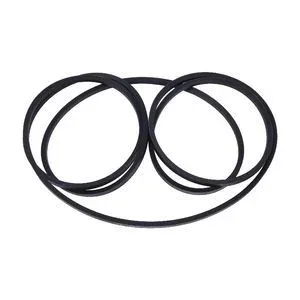
A: The serpentine belt, all idler pulleys, and the crankshaft pulley damper should be inspected and typically replaced as a set. Worn pulley grooves or a fatigued damper will impose irregular loads on the new tensioner, causing premature bearing wear. Supplying matched sets ensures consistent tension across the entire front-end drive circuit.
Q: How do I confirm the correct tensioner variant for my specific engine build code?
A: Locate the engine identification plate on the block and record the full engine model plus build code, such as F4HFE613B B006. Share this with the technical team for cross-reference verification against the applicable interchange numbers. Tractor model alone is insufficient because the same chassis may carry different engine builds across production years.
Q: My previous tensioner failed early — how do I determine if the root cause was wrong spring rate or a failing adjacent component?
A: Inspect the failed tensioner arm for uneven wear on the pivot bushing, which indicates misalignment rather than spring fault. Check water pump bearing play and alternator pulley runout. If adjacent bearings show wear, the tensioner was likely overloaded by a failing component rather than being the wrong variant.
Q: Can the tensioner be supplied as part of a complete front-end overhaul kit with belts and pulleys?
A: Yes. The tensioner can be consolidated with replacement belts, idler pulleys, fan hub assemblies, and associated seal kits into a single shipment. This approach eliminates split deliveries and ensures all belt drive components are matched to the same engine build code and service interval target.
Q: Do different emissions tiers on the same machine model require different tensioner part numbers?
A: Yes, in many cases. Tier 3 engines often use revised front-end accessory drives with different pulley routing and tensioner geometry compared to earlier tiers on the same machine chassis. Always confirm using the engine build code rather than the machine model or emissions decal alone.