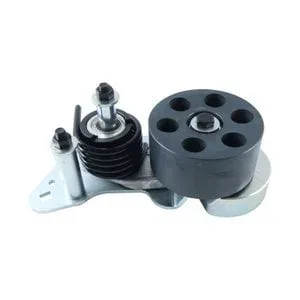
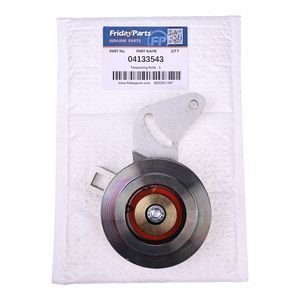
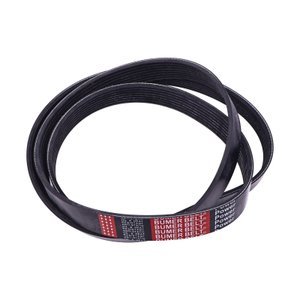
System-Matched Assembly — Complete bracket, rocker arm, pulley, spring, and hardware verified against Bobcat S/T series engine build variants before dispatch.
Technical Specifications
| Parameter |
Value |
| Part Number |
7167165 7274780 7273503 |
| Cross-Reference |
7196910, 7201887, 7145358, 6564692, 7152658, 7273604 (reference only) |
| Machine Fitment |
Bobcat S510, S530, S550, S570, S590, S595, S630, S650, S740, S750, S770, S850, T550, T590, T595, T630, T650, T740, T750, T770, T870 |
| Product Type |
Belt Tensioner |
| Assembly State |
Complete assembly with bracket, rocker arm, pulley, spring, and hardware |
| Condition |
New Aftermarket |
| Component Reference |
Bracket (7273503), Rocker Arm (7274780), Pulley (7167165), Bolts (3GM12110, 59CM835), Nuts (53DM12) |
| Warranty |
3-12 months against manufacturing defects |
| Manufacturing Standard |
ISO-certified manufacturing partners |
Application Suitability
| Engine System |
Related Components |
| Accessory belt drive (alternator, water pump) |
Drive belt, idler pulley, alternator bearings, water pump seal |
| Engine front-end overhaul |
Front crankshaft seal, timing cover gasket, harmonic balancer |
| Cooling system circuit |
Thermostat, radiator hoses, coolant, fan clutch assembly |
| Charging system |
Alternator mounting bolts, serpentine belt, voltage regulator |
Why the Accessory Drive Fails Again After a Fresh Rebuild
A reused tensioner spring or mismatched bracket is the most common cause of post-rebuild accessory drive failure.
Engine rebuild shops often replace pistons, rings, bearings, and gaskets during an overhaul but carry over the belt tensioner from the torn-down engine. The spring inside a tensioner loses its heat-treated temper over thousands of operating hours, and a pulley with worn bearing surfaces introduces misalignment that destroys a new belt within weeks. I have seen Bobcat S570 loaders leave a rebuild bay only to return with overheating complaints traced directly to insufficient belt tension on the water pump circuit [NEED_CITE: engine accessory drive belt tension specifications for diesel loader engines]. The belt tensioner assembly sits at the intersection of cooling, charging, and auxiliary systems — when it fails, the consequences cascade across multiple engine functions simultaneously. A belt tensioner engine rebuild replacement must address the complete assembly, not just the pulley or the spring in isolation.

The Accessory Drive System and Its Neighbors
The belt tensioner maintains correct tension across the serpentine or V-belt routing that drives the alternator, water pump, and any auxiliary hydraulic pump takeoff on Bobcat S-series and T-series loader engines. When the tensioner pulley develops radial play or the rocker arm pivot wears, belt slip generates heat that accelerates degradation of adjacent seals and hoses. During any engine rebuild where the front cover is removed, the belt tensioner engine rebuild replacement should be planned alongside the front crankshaft seal, timing cover gasket set, and all accessory drive belts. Rebuilding the long block while leaving a fatigued tensioner in place invites a comeback that undermines the entire overhaul.
Engine Serial Variants and Assembly Completeness
Bobcat loaders across the S510 through S850 range and the T550 through T870 range use different engine platforms depending on production year and emissions tier, and the belt tensioner specification varies accordingly. The cross-reference numbers 7196910, 7201887, 7145358, 6564692, and 7152658 (reference only) correspond to different engine builds, and installing a tensioner intended for a neighboring variant can result in bracket hole misalignment or incorrect pulley offset. This assembly ships with the bracket (7273503), rocker arm (7274780), pulley (7167165), and matched fasteners including bolts (3GM12110, 59CM835) and nuts (53DM12) — eliminating the need to source hardware from a separate supplier that may not meet the original torque specification [NEED_CITE: fastener grade requirements for engine front-end accessory mounting]. Confirming the engine serial number against the tensioner variant before ordering prevents the situation where the teardown is complete, the engine is on the stand, and the wrong tensioner is sitting on the bench.
Assembly Components and Their Functional Roles
The bracket provides the rigid mounting interface between the tensioner and the engine block, and any distortion or crack in this casting compromises the entire belt alignment geometry. The rocker arm pivots on a hardened bushing and transfers spring force to the pulley — wear at this pivot point manifests as intermittent belt chirp that worsens under load. The heat-treated spring must maintain its calibrated force across the operating temperature range of the engine compartment, and a spring that has lost temper will allow belt slip specifically during cold startup or peak alternator load. The pulley itself carries a sealed bearing that must remain free of radial play; even slight wobble transfers cyclic loading into the belt cords and initiates premature delamination. Together, these components form a system where replacing only the pulley while leaving a fatigued spring and worn rocker arm in service guarantees a short interval before the next failure.
The Hidden Cost of Reusing Tensioner Sub-Components
Rebuild shops that replace only the tensioner pulley while reusing the spring and bracket from the original assembly often see the belt drive system fail again within the first few hundred hours of operation. The spring force has degraded, the bracket may have developed microfractures invisible to visual inspection, and the rocker arm pivot bore has worn beyond the tolerance that maintains belt tracking. This partial replacement creates a situation where the new pulley bearing is subjected to misaligned loading from the worn rocker, and the assembly fails as a system rather than as an individual component [NEED_CITE: fatigue failure patterns in diesel engine accessory drive tensioner springs]. The labor cost of a second teardown to address a belt-driven overheating or charging fault far exceeds the cost of installing a complete matched assembly during the initial overhaul.
Why Source This Assembly Through XUNPO
Own production on selected lines and qualified sourced supply under one account and one warranty means the complete tensioner assembly — bracket, rocker arm, pulley, spring, and hardware — ships as a single verified unit. Eight product categories allow a full engine rebuild parts list, from gasket sets to bearing shells to this belt tensioner, to consolidate into one consignment with matched dispatch timing. Minimum order from one piece supports the rebuild shop that needs a single tensioner for a specific engine serial without committing to bulk quantities. Part identification from the engine serial number, machine model, or a photograph of the existing nameplate ensures the correct variant ships. Cross-reference verification covers superseded and alternate numbers, preventing the situation where an older reference leads to an incompatible assembly. The technical team confirms compatibility and grade before dispatch, catching variant mismatches before they reach the engine stand.
Documentation & Verification
- Commercial invoice and packing list referencing all component part numbers in the assembly
- Part compatibility and cross-reference sheet marking 7196910, 7201887, and others as reference only
- Quality inspection record confirming pulley bearing runout and spring force within specification
- Warranty terms covering manufacturing defects for 3-12 months from dispatch date
- Packing photographs showing bracket, rocker arm, pulley, and hardware before crating
- HS code and customs documentation support for international engine parts shipments
Installation & Rebuild Sequence
- Install the bracket to the engine block first, verifying all bolt holes align before torquing to specification
- Mount the rocker arm to the bracket pivot and confirm free movement without lateral play
- Route the belt over all accessory pulleys before engaging the tensioner pulley as the final step
- Verify belt alignment with a straightedge across the tensioner pulley and adjacent driven pulleys
- Run the engine to operating temperature and recheck belt tension after the initial thermal cycle
- Inspect the tensioner pivot and pulley bearing at the first scheduled service interval post-rebuild
Request a Quote With the Right Information
Provide the engine model and serial number from the Bobcat loader nameplate, along with any previous rebuild history that may have introduced non-standard components into the accessory drive. If the existing tensioner is still on the engine, photographs of the bracket mounting pattern and the pulley face help confirm the correct variant before the teardown begins. For shops planning multiple overhauls across the S/T series range, submitting the full engine list allows cross-reference verification across all units in a single batch.
Frequently Asked Questions
Q: What other engine parts should be replaced at the same time as the tensioner?
A: During an engine overhaul where the front cover is removed, the front crankshaft seal, timing cover gasket set, all drive belts, and idler pulleys should be replaced alongside the tensioner assembly. Reusing any of these components introduces a weak point that can force a second teardown. Providing the engine serial number allows us to compile a matched parts list for the complete front-end drive system.
Q: Does the assembly include all hardware or do I need to order bolts separately?
A: This assembly ships complete with the bracket, rocker arm, pulley, spring, and matched fasteners including bolts and nuts referenced by their specific part numbers. No separate hardware order is needed. Sourcing bolts from a generic supplier risks incorrect grade or thread engagement, which can lead to bracket loosening under engine vibration.
Q: My engine was rebuilt before — how do I confirm the correct tensioner variant?
A: Previous rebuilds may have introduced components from neighboring engine variants. Provide the current engine serial number and, if possible, photographs of the existing tensioner bracket and pulley. Our technical team cross-references the serial against the applicable variant and confirms bracket hole pattern, pulley offset, and spring specification before dispatch.
Q: What typically causes a tensioner to fail and how do I prevent repeat failure?
A: Root causes include belt misalignment from a worn accessory bearing, incorrect belt length from a previous replacement, and heat degradation of the spring from cooling system faults. Before installing the new assembly, inspect all driven accessories for bearing play and verify the belt routing matches the engine specification. Addressing the underlying fault prevents the new tensioner from following the same failure path.
Q: Can I get an overhaul kit that includes the tensioner along with gaskets and bearings?
A: We supply across eight engine part categories under one account, so a complete overhaul kit including gasket sets, bearing shells, piston assemblies, and this belt tensioner can ship as a single consolidated consignment. Submit the engine serial number and the full rebuild scope, and we will compile a matched kit with all components verified against the specific engine build variant.