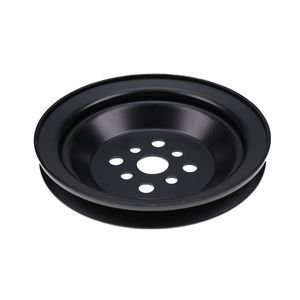
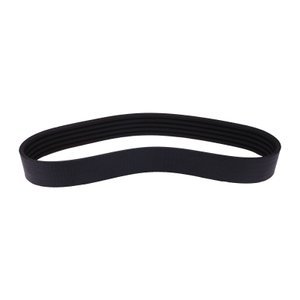
Matched Set Dispatch — belt tensioner 7167165 ships with verified cross-reference data and adjacent belt-drive components matched to your Bobcat engine serial variant.
Technical Specifications
| Parameter |
Value |
| Part Number |
7167165 |
| Cross-Reference |
7167165 (reference only) |
| Product Type |
Belt Tensioner |
| Machine Fitment |
A770, S510, S530, S550, S570, S590, S630, S650, S750, S770, S850, T550, T590, T630, T650, T750, T770, T870 |
| Brand Compatibility |
Designed to replace components fitted on Bobcat skid steer and compact track loaders |
| Condition |
New Aftermarket |
| Material |
High-strength steel alloys |
| Surface Treatment |
Corrosion-resistant coating |
| Part Name |
Wheel Tensioner |
| Warranty |
3–12 months against manufacturing defects |
| Standard |
ISO 9001 |
| MOQ |
1 piece |
Application Suitability
| Engine System |
Related Components |
| Accessory belt drive |
Serpentine belt, idler pulley, fan pulley, belt guard hardware |
| Engine front-end accessory drive |
Crankshaft pulley, alternator mounting bracket, belt alignment shims |
| Cooling system drive path |
Water pump pulley, fan clutch assembly, drive belt |
| Overhaul belt-drive renewal |
Complete belt kit, tensioner spring, pulley bearings, seal set |
Why a Belt Tensioner Fails Weeks After a Fresh Rebuild
The root cause usually lives in the surrounding belt-drive system, not the tensioner itself.
When a skid steer loader returns to the shop within weeks of a belt tensioner replacement, the pattern is almost always the same: the belt was already glazed or cracked, a pulley was running slightly out of alignment, or the spring rate inside the new unit did not match the engine variant. Engine rebuild shops see this cycle repeat because the belt tensioner engine rebuild replacement was treated as an isolated swap rather than a system-level correction [NEED_CITE: accessory belt drive system failure root cause analysis for diesel loaders]. The cost of a second teardown exceeds the price of the entire matched set that would have prevented it.

The Belt Tensioner's Position Inside the Accessory Drive Path
This tensioner sits on the front-end accessory drive of Bobcat loader engines, maintaining correct preload on the serpentine or multi-rib belt that powers the alternator, fan, and in some configurations the water pump. When an engine is opened for overhaul or top-end service, the belt drive path is one of the last systems reassembled and the first to reveal errors — a squeal on initial start-up or a thrown belt within the first operating hours. Addressing the belt tensioner engine rebuild replacement at the system level means verifying the belt routing, pulley alignment, and tensioner arm travel before the engine is returned to service.
Engine Serial Variants and Tensioner Geometry Differences
Across the Bobcat S-series and T-series loader range, the same base engine family may use different tensioner mounting brackets or spring preload specifications depending on the production year and emission tier. An S590 built in an earlier serial range might use a different arm pivot position than a later S590 with an updated engine configuration. This means the belt tensioner engine rebuild replacement must be confirmed against the engine serial number, not just the loader model plate. [NEED_CITE: engine serial variant identification for compact loader belt drive components] Matching the wrong variant results in insufficient belt wrap on the crankshaft pulley, accelerating belt wear and risking accessory drive failure under load.
Reading the Specifications That Matter in the Workshop
The high-strength steel alloy construction provides the structural rigidity needed for the cyclic loading that skid steer loaders impose on the accessory drive — rapid throttle changes and high-ambient dust create alternating stress on the tensioner arm and pivot bushing. The corrosion-resistant coating protects the tensioner body and spring housing from moisture and fine abrasive dust that penetrates the engine compartment on construction and landscaping sites. Correct preload and deflection must be verified after installation: too much tension accelerates pulley bearing wear, while too little allows belt slip that generates heat and glazes the belt ribs. The tensioner's pivot travel range must accommodate the full belt stretch expected over the service interval before the next scheduled inspection.
The Cost of Skipping the System Check
An engine rebuild shop that installs a new tensioner without inspecting the idler pulley bearing or measuring belt rib wear will often see the machine return with a belt-drive noise complaint or a thrown belt. The second teardown costs more in labour and machine downtime than the complete belt-drive inspection would have required in the first place. Shops that skip the root-cause investigation — was the pulley misaligned, was the belt already past its service limit, was the old tensioner spring fatigued — end up replacing the same position on the engine twice [NEED_CITE: repeated belt drive component failure patterns in mobile diesel equipment]. This pattern erodes customer confidence and adds warranty exposure that a single system-level approach would have avoided.
What Sets This Supply Apart for Rebuild Shops
Our Guangzhou warehouse stocks belt-drive components across eight core categories, so a tensioner order can ship alongside matched belts, idler pulleys, and seal kits in one consignment. Cross-reference verification covers superseded and alternate part numbers, reducing the risk of receiving a tensioner variant that does not fit your engine serial range. The minimum order is one piece, which supports emergency single-unit replacements as well as bulk stocking for high-volume rebuild programmes. Our technical team confirms compatibility against engine serial numbers and can identify the correct tensioner variant from a photograph of the old unit or the engine nameplate. Sample supply is available for fitment confirmation before bulk commitment, and all items — whether produced in our own facility or sourced from qualified ISO-certified partners — carry the same quality inspection and warranty terms.
Documentation & Verification
- Commercial invoice listing belt tensioner 7167165 with HS code for customs clearance
- Part compatibility sheet confirming engine serial variant fitment, marked reference only
- Dimensional inspection record covering pivot bore, arm travel, and mounting bolt pattern
- Warranty terms document specifying coverage period against manufacturing defects
- Packing photographs showing tensioner and adjacent components before crate closure
- Cross-reference table noting superseded numbers and alternate identifiers
Installation & Rebuild Sequence
- Verify engine serial number against compatibility sheet before opening the tensioner package
- Inspect idler pulley bearing for free rotation and no lateral play before fitting new tensioner
- Route belt per OEM diagram and confirm tensioner arm rests within the marked travel window
- Torque mounting fasteners to engine-specific specification; recheck after initial heat cycle
- Run engine at idle and observe belt tracking; adjust alignment if lateral wander is visible
- Record tensioner installation date and engine hour reading for next belt-drive service interval
Request a System-Matched Quotation
Provide your engine model, engine serial number, and any previous rebuild history so we can confirm the correct tensioner variant and identify related belt-drive components that should be renewed as a set. Photographs of the existing tensioner, the engine nameplate, or the belt routing label help us verify fitment before dispatch.
Frequently Asked Questions
Q: What other belt-drive parts should I replace along with this tensioner?
A: A complete belt-drive renewal typically includes the serpentine or multi-rib belt, idler pulley, and any pulley bearings showing lateral play or roughness. Replacing these as a matched set prevents a single aged component from causing premature wear on the new tensioner. We supply all these items under one account with consolidated dispatch.
Q: Do different engine serial numbers within the same Bobcat model use different tensioners?
A: Yes. Bobcat loaders within the same model designation may use different engine configurations across production years, changing the tensioner mounting geometry or spring rate. Confirm your engine serial number — not just the loader model — so we can verify the correct variant ships to you.
Q: How do I identify the root cause that made the original tensioner fail?
A: Inspect the belt for glazing, cracking, or rib wear; check all pulleys for alignment and bearing play; and examine the old tensioner spring for fatigue or corrosion. A tensioner that failed early often signals a problem elsewhere in the drive path. Our technical team can review photographs and help identify the underlying fault.
Q: Can I order a matched belt and tensioner set as one kit?
A: Yes. We assemble matched belt-drive sets including the tensioner, belt, and idler pulley based on your confirmed engine serial number. This eliminates the risk of receiving components from different suppliers with mismatched lead times or incompatible specifications.
Q: How do I confirm my engine model if the nameplate is worn?
A: Send a photograph of the engine block casting numbers, the loader data plate, or any remaining identification markings. Our team cross-references these against engine family records to determine the correct belt tensioner variant for your specific machine build.