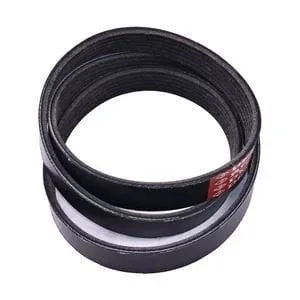
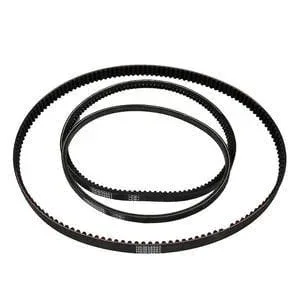
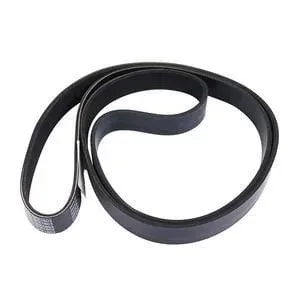
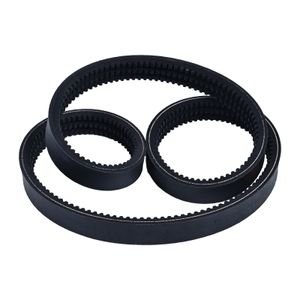
Matched Set Dispatch — Alternator belt, tensioner, and pulleys ship together after engine serial variant confirmation for TriPac APU units.
Technical Specifications
| Parameter |
Value |
| Part Number |
78-1918 / 78-1543 |
| Product Type |
Belt |
| Cross-Reference (reference only) |
78-1918, 781918, 78-1543, 781543 |
| Machine Fitment |
Thermo King TriPac APU |
| Material |
EPDM (Ethylene Propylene Diene Monomer) rubber compound |
| Tensile Cord |
Aramid-reinforced |
| Dimensional Tolerance |
±0.3 mm |
| Condition |
New Aftermarket |
| Warranty |
6 months against manufacturing defects |
| MOQ |
1 piece |
| Standards |
ISO 9001, SAE J1459 |
Application Suitability
| Engine System |
Related Components |
| Auxiliary Belt Drive |
Tensioner assembly, idler pulleys, alternator pulley |
| Charging System |
Alternator, voltage regulator, wiring harness connectors |
| Cooling System Drive |
Water pump pulley, coolant hoses adjacent to belt path |
| APU Compartment |
Heat shields, mounting brackets, fastener sets |
Why Replacing the Belt Alone Rarely Solves the Root Cause
Inspect the tensioner and pulleys before assuming the belt was the only failing component.
When an alternator belt fails prematurely on a TriPac APU, the root cause often sits elsewhere in the auxiliary drive system. A worn tensioner no longer maintains proper deflection, forcing the belt to slip and generate excess heat. Misaligned pulleys introduce edge wear that cuts belt life short [NEED_CITE: belt drive system alignment and tensioner inspection standards for diesel APU applications]. Mechanics who swap the belt without checking adjacent components frequently see repeat failures within weeks, turning a single scheduled repair into multiple unplanned downtime events.

The Belt's Position Within the APU Auxiliary Drive System
This alternator belt operates as one link in the TriPac APU's auxiliary drive chain, transferring crankshaft rotation to the alternator and maintaining stable charging output. The belt must work in matched tolerance with the tensioner, which compensates for thermal expansion during continuous duty cycles. When planning an alternator belt engine replacement part procurement, consider that the entire auxiliary drive system functions as a single mechanical loop — weakness in any node transfers stress to the rest.
How Production Variants Affect Belt Selection
Thermo King produced multiple TriPac APU serial ranges, and alternator mounting positions shifted across production years. Part numbers 78-1918 and 78-1543 (cross-reference only) apply to different build configurations, so confirming the engine serial number before ordering eliminates misfit risk. An alternator belt engine replacement part ordered against the wrong serial variant will either not seat properly on the pulley grooves or will run at incorrect tension [NEED_CITE: engine serial variant identification for belt drive compatibility verification]. Requesting a cross-reference check against your specific unit's service manual prevents this mismatch.
Material Selection and Tensile Design Explained
The EPDM compound resists heat, ozone, and oil mist commonly present in diesel APU compartments — conditions that cause standard neoprene belts to crack and lose grip. Aramid-reinforced tensile cords resist elongation under continuous load, which keeps alternator output stable across the thermal cycling ranges typical of long-haul refrigerated transport. The cog profile geometry matches original pulley specifications to minimize slippage and preserve system-level belt alignment. These material and structural choices directly address the environmental and mechanical loads the alternator belt engine replacement part encounters in port-side reefer units and fleet maintenance bays.
The Cost of Mismatched Overhaul Components
Installing a belt without replacing a worn tensioner creates uneven load distribution, leading to edge fraying and early failure. When overhaul kits arrive with missing or incorrect-grade components, rebuild shops face disassembly and rework cycles that push equipment return dates back [NEED_CITE: auxiliary drive system overhaul planning and matched component replacement]. Sourcing the alternator belt engine replacement part as part of a verified matched set — belt, tensioner, pulleys — eliminates the tolerance stacking that causes premature wear across the drive system.
What Sets This Supply Source Apart
Selected part lines are produced in our own facility, with the remainder sourced from qualified ISO-certified manufacturing partners — both carry the same QC and warranty terms. Eight product categories mean the belt, tensioner, pulleys, and adjacent seals ship as one consignment under a single account. Minimum order starts at one piece, supporting emergency single-unit repairs or sample fitment before fleet-level commitment. Part identification is confirmed from number, machine model, photograph, or nameplate image, and cross-reference verification covers superseded and alternate numbers. A technical team is available to confirm compatibility and grade before dispatch.
Documentation & Verification
- Commercial invoice and packing list referencing each belt part number and quantity
- Cross-reference sheet mapping 78-1918 and 78-1543 (reference only) to applicable TriPac serial ranges
- Quality inspection record covering tensile strength, heat aging, and dimensional checks
- Warranty terms document specifying six-month coverage against manufacturing defects
- Packing photographs showing belt condition and protective packaging before dispatch
- HS code and customs documentation support for international shipment
Installation & Rebuild Sequence
- Verify TriPac APU engine serial number before removing the existing belt to confirm correct replacement part number
- Inspect tensioner travel and pulley surfaces for scoring or bearing play before installing the new belt
- Route the belt following the original path diagram, ensuring cog profile seats fully in each pulley groove
- Set tensioner to specified deflection and rotate the crankshaft two full revolutions to seat the belt
- Run the APU under no-load conditions initially, then check belt tracking and tension after reaching operating temperature
Submit Your Engine Details for Accurate Quoting
Provide the TriPac APU engine model, serial number, and any known rebuild history so the technical team can confirm the correct alternator belt variant and matched component set. Include photographs of the existing belt, tensioner, and nameplate if part numbers are worn or unreadable. This information allows accurate cross-reference verification and ensures the overhaul kit contents match your specific engine build configuration.
Frequently Asked Questions
Q: What other belt drive components should be replaced together with the alternator belt?
A: The tensioner assembly and idler pulleys should be inspected and typically replaced at the same interval. Worn tensioner bearings or fatigued springs cause uneven belt loading, which shortens the new belt's service life. Replacing these as a matched set ensures the entire auxiliary drive system returns to correct operating tolerances.
Q: How do I confirm which part number applies to my TriPac APU serial number?
A: Submit your engine serial number or a photograph of the existing belt and nameplate. The technical team cross-references 78-1918 and 78-1543 (reference only) against production variant records to identify which number matches your specific build configuration, preventing misfit and return delays.
Q: Are matched overhaul kits available that include the belt, tensioner, and pulleys as a set?
A: Yes, matched sets containing the alternator belt, tensioner assembly, and pulleys can be supplied as a single consignment. This approach eliminates tolerance stacking from mixing components of unknown origin and ensures all drive system parts meet the same quality and warranty standard.
Q: What system-level conditions cause premature alternator belt failure beyond normal wear?
A: Misaligned pulleys, seized tensioner bearings, oil mist intrusion from adjacent seals, and excessive heat from inadequate compartment ventilation all accelerate belt degradation. Identifying and correcting these conditions during replacement prevents the new belt from following the same early failure pattern.
Q: Can I receive a sample to verify fitment before committing to a fleet-level bulk order?
A: Sample supply is available for fitment confirmation on a single unit before bulk commitment. This allows your maintenance team to verify pulley seating, tensioner compatibility, and belt routing on your specific TriPac APU variant before scaling the order across the fleet.