Engine Serial Variants Confirmed — Every 6678205 alternator ships only after engine serial and harness connector are verified against Bobcat T-series production runs.
Technical Specifications
| Parameter |
Value |
| Part Number |
6678205 |
| Product Type |
Alternator |
| Cross-Reference (reference only) |
6675292, 6681857, 6690593, 7008772, 6881249, LRA03022, 66785292, 428402, 600934, A12390N, TA000A63701, 2200-0501, 22000501 |
| Machine Fitment |
T110, T140, T180, T190, T200, T2250, T250, T300, T320, T550, T590, T630, T650, T750, T770, T870, V417 |
| Voltage |
12V |
| Current |
90A |
| Condition |
New Aftermarket |
| Insulation Class |
Class H (180°C thermal rating) |
| Housing Material |
Die-cast aluminum with integrated cooling fins |
| Bearing Grade |
ABEC-3, double-sealed |
| Shaft Runout |
≤0.03 mm |
| Operating Temperature Range |
–20°C to +85°C |
| Standards |
ISO 9001, SAE J2044 |
| Warranty |
3–12 months against manufacturing defects |
| MOQ |
1 piece |
Application Suitability
| Engine System |
Related Components |
| Charging circuit renewal during engine overhaul |
Voltage regulator, serpentine belt, belt tensioner, wiring harness connectors |
| Electrical fault isolation without disturbing internal assemblies |
Battery cables, ground straps, fuse block, ignition switch |
| Fleet-level scheduled engine maintenance program |
Overhaul gasket kits, oil filters, fuel filters, coolant hoses |
| Telematics and instrumentation power supply |
ECU connectors, sensor harnesses, lighting circuits |
Why a Rebuilt Engine Returns When the Charging System Is Ignored
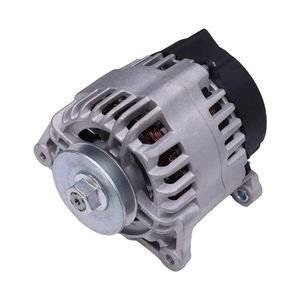
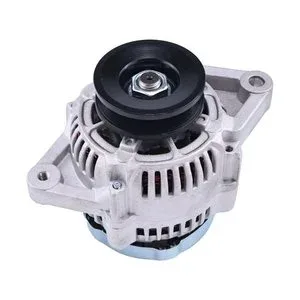
A 12V 90A alternator engine rebuild replacement for Bobcat belongs to the engine auxiliary electrical system — replacing it alongside internal components prevents cascade failures from aging voltage regulators or corroded harness connectors.
In my years cross-referencing Bobcat T140 through T590 service manuals in Guangzhou, I have watched rebuilt engines come back within weeks because the root cause sat in the charging circuit, not in the cylinder head or the bearing shells that received all the attention. The alternator is the node that powers instrumentation, hydraulic controller memory, lighting, and telematics; when it degrades, voltage ripple damages sensitive electronics that were just reinstalled during the overhaul [NEED_CITE: engine auxiliary electrical system failure modes in compact track loaders]. A complete engine system renewal means addressing the charging source alongside the mechanical assemblies.

The Charging Circuit Within the Engine Auxiliary System
The alternator sits at the center of the engine auxiliary electrical system, converting mechanical energy from the serpentine belt into stable DC output for every electronic module on the machine. During an engine rebuild, this is the point where the mechanical and electrical domains meet — the belt drive, pulley alignment, and wiring harness connectors all influence whether the new 12V 90A alternator engine rebuild replacement for Bobcat performs reliably. Inspecting these adjacent components before installation prevents a situation where the new unit absorbs damage from a misaligned tensioner or a heat-degraded connector that caused the previous failure.
Thermal Load and Bearing Precision in Engine Bay Conditions
Class H insulation rated to 180°C addresses the thermal environment inside a track loader engine bay, where ambient temperatures and radiant heat from exhaust components push electrical components beyond standard industrial ratings. The die-cast aluminum housing with integrated cooling fins dissipates heat generated during sustained high-load charging cycles, matching the thermal management approach used in adjacent engine components. ABEC-3 double-sealed bearings and shaft runout held to ≤0.03 mm ensure smooth engagement with the serpentine belt, protecting the belt drive system from the vibration and premature wear that a poorly balanced rotor would introduce during the engine's break-in period [NEED_CITE: bearing grade and shaft runout standards for automotive alternators].
Reading the Specifications That Matter at Rebuild Time
Voltage and current ratings define the alternator's output envelope — 12V nominal with 90A capacity covers the combined load of instrumentation, hydraulic controller standby draw, lighting, and battery charging that a Bobcat T-series machine demands at idle and under working RPM. The operating temperature range of –20°C to +85°C reflects the environmental envelope the unit must survive, from cold-start conditions to sustained operation in high-ambient sites. Full-load bench testing at 100% duty cycle before shipment verifies that voltage regulation remains stable and ripple stays within acceptable limits, which is essential when the alternator is installed as part of a complete engine system overhaul rather than a standalone swap.
The Cost of Skipping the Charging System During Overhaul
When an engine rebuild proceeds without renewing or at least bench-testing the alternator, the machine may start and run but return with electrical faults that mimic ECU or sensor failures. Technicians then spend diagnostic hours chasing wiring issues that trace back to voltage ripple from worn alternator bearings or a degraded voltage regulator inside the unit. This pattern of misdiagnosis and repeat teardown adds labor cost and delays the machine's return to the site, compounding the original downtime [NEED_CITE: electrical system diagnostic procedures for engine-overhaul-related charging faults].
Why Rebuild Shops Source This Alternator Through One Account
Our own production lines and qualified sourced supply carry the same QC standards and warranty terms, so a 12V 90A alternator engine rebuild replacement for Bobcat ordered alongside overhaul gasket kits, piston sets, and seal kits ships under one account with unified warranty coverage. Eight product categories mean a complete engine rebuild list consolidates into a single consignment, eliminating the coordination burden of multiple suppliers delivering on mismatched schedules. Guangzhou warehouse stock on common Bobcat T-series electrical items supports fast dispatch when a machine is already disassembled on the bench. Part identification works from the existing part number, machine model, a photograph of the nameplate, or a harness connector image — covering the situations where the original label is worn or painted over. Cross-reference verification accounts for superseded numbers across machine generations, and sample supply allows fitment confirmation on the bench before a fleet-level bulk commitment.
Documentation & Verification
- Commercial invoice listing part number 6678205 with engine serial and machine model noted
- Cross-reference sheet mapping all alternate numbers (reference only) for Bobcat T-series variants
- Quality inspection record showing no-load voltage, full-load current stability, and ripple measurement
- Warranty terms covering manufacturing defects with replacement and return shipping included
- Packing photographs documenting alternator condition and connector integrity before crate closure
- HS code and customs documentation support for international engine parts consignments
Installation & Rebuild Sequence
- Inspect serpentine belt, tensioner, and pulley alignment before mounting the new alternator to prevent belt drive damage
- Verify wiring harness connector pin condition and absence of heat discoloration at the plug interface
- Confirm mounting bracket bolt torque to specification and check ground strap continuity after installation
- Perform initial run at idle to verify no-load voltage regulation before applying full electrical load
- Log full-load output reading at working RPM and compare against bench test record supplied with the unit
Requesting a Compatibility Confirmation
Provide the engine model, engine serial number, and any previous rebuild history so we can confirm the correct electrical system variant and size grade for your Bobcat T-series or V417 unit. If the nameplate is unreadable, a photograph of the existing alternator housing and harness connector is sufficient for identification.
Frequently Asked Questions
Q: What other engine electrical components should I inspect when installing this alternator?
A: Check the serpentine belt for glazing or cracking, verify the tensioner maintains proper deflection, and examine wiring harness connectors for heat damage or corrosion. Inspect battery cable terminals and ground straps, since poor grounding forces the alternator to compensate with higher output, accelerating wear on the new unit's internal regulator.
Q: My engine serial number differs from the standard listing — does this alternator still fit?
A: Bobcat T-series machines have electrical system variants across production runs. Provide your engine serial number and we cross-reference it against known harness connector types and mounting bracket configurations to confirm the correct variant ships. We verify before dispatch rather than relying on a generic fitment table.
Q: How do I confirm the correct cross-reference number when multiple references are listed?
A: Send the number printed on your existing unit along with the machine model. We verify it against our cross-reference database, which tracks superseded and alternate numbers across Bobcat T-series generations, and confirm which of the listed references applies to your specific production run.
Q: What bench tests are performed before shipment, and can I receive the record?
A: Each alternator undergoes no-load voltage regulation, full-load current stability at 90A, and ripple voltage measurement at 100% duty cycle. The inspection record ships with the unit and is also available digitally, giving your rebuild shop documented baseline data for post-installation comparison.
Q: If the alternator fails within warranty, what does the replacement process look like?
A: The warranty covers manufacturing defects for 3–12 months. Contact us with the inspection record and a description of the fault. We arrange a replacement unit and cover return shipping for the failed alternator so the root cause can be analyzed and documented.