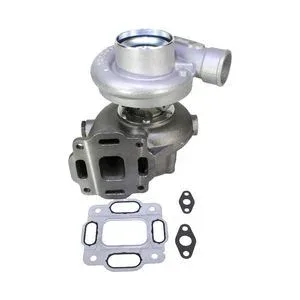
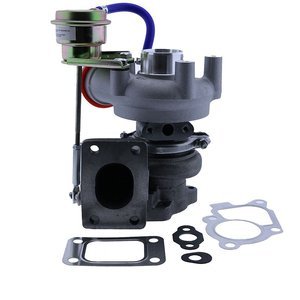
Sequence-Verified Fitment — Cross-reference numbers mapped against your specific 6BTA 5.9 build code to prevent port misalignment on arrival.
Technical Specifications
| Parameter |
Value |
| Part Number |
3536620 3536621 3802829 |
| Product Type |
Turbocharger |
| Cross-Reference |
3536620, 3536621, 3536621H, 3802829, 380282900, 3802829NX, 3802829RX, 4089816 (reference only) |
| Machine Fitment |
6BTAM, 6BTA 5.9, 6B5.9 |
| Turbo Model |
HX40M, HX40-L8294T/J16S3, HX40 |
| Condition |
New Aftermarket |
| Turbine Housing Material |
Ni-Resist D5S alloy |
| Compressor Wheel Material |
Forged 2618 aluminum |
| Compressor Wheel Balance Tolerance |
G2.5 |
| Shaft Material |
Nitrided 42CrMo4 steel |
| Shaft Hardness |
58–62 HRC |
| Bearing Type |
Dual ceramic-coated journal bearings |
| Sealing Surface Tolerance |
SAE J1927 |
| Boost Pressure Test |
1.5 bar |
| Operating Temperature Range |
–25°C to +55°C |
| Exhaust Gas Temperature Rating |
750°C sustained |
| Warranty |
3–12 months against manufacturing defects |
| Standards |
ISO 9001, SAE J1927, ISO 8573-1 Class 2 |
Application Suitability
| Engine System |
Related Components |
| Intake & Forced Induction |
Inlet/outlet gaskets, intercooler hoses, air filter element |
| Lubrication Supply & Drain |
Oil feed line, oil drain pipe, oil filter, crankcase breather |
| Exhaust Manifold Interface |
Manifold-to-turbo gasket, exhaust clamp, heat shield hardware |
| Engine Serial Variant Match |
Oil port orientation, compressor housing clocking, wastegate actuator bracket |
Why an HX40 Turbocharger for Cummins 6BTA 5.9 Engine Rebuild Fails Within Months
A replacement turbo that ignores the root-cause fault will destroy itself in hundreds of hours, not thousands.
When a turbocharger fails on a Cummins 6BTA 5.9 platform, the visible damage—shaft scoring, wheel blade erosion, oil seal blowout—is almost always a symptom of something upstream or downstream. Oil coking from degraded lubricant starves the journal bearings. A collapsed air filter lets abrasive dust score the compressor wheel. An exhaust restriction downstream spikes turbine inlet temperature beyond the housing alloy's sustained rating. Swapping the turbo without diagnosing and resolving the initiating fault means the new unit inherits the same hostile environment [NEED_CITE: turbocharger failure root-cause analysis in diesel engine maintenance]. The result is a repeat failure that turns a single-component replacement into a cascading system teardown.
The Forced-Induction System Inside Your 6BTA 5.9
This HX40 turbocharger does not operate in isolation—it sits at the intersection of the intake, exhaust, and lubrication circuits of your Cummins 6BTA 5.9 engine. The compressor side draws filtered air and pushes it through the intercooler into the intake manifold, while the turbine side extracts energy from exhaust gases leaving the manifold. Both sides depend on a steady supply of clean, pressurized engine oil flowing through the feed line and returning via the drain pipe. When planning an engine rebuild that includes forced-induction refresh, every adjacent seal, gasket, and hose in these three circuits should be evaluated as part of the same system. An HX40 Turbocharger for Cummins 6BTA 5.9 engine rebuild that ships without confirming the mating gasket set, the oil line condition, and the exhaust clamp integrity is only a partial solution.
Serial Variants That Change the Mounting Configuration
Not every 6BTA 5.9 engine left the production line with the same turbo orientation or port layout. Across production runs, Cummins adjusted the oil feed port position, the compressor housing clocking angle, and the wastegate actuator bracket location to accommodate different equipment installations—marine, mining, generator set, and construction platforms each received subtly different configurations [NEED_CITE: Cummins engine family serial-range variant documentation]. A part number that cross-references correctly on paper can still arrive with the oil inlet facing the wrong direction for your specific block casting. Confirming the engine serial number against the turbo build sheet prevents this mismatch. Our technical team verifies the oil port orientation, compressor housing rotation, and flange bolt pattern against your serial range before dispatch, so the HX40 turbocharger you receive physically fits the space your engine provides.
Reading the Specification Sheet for Real-World Behavior
The Ni-Resist D5S alloy turbine housing sustains exhaust gas temperatures up to 750°C without warping or cracking, which matters when a loaded excavator or genset runs extended high-load cycles that keep turbine inlet temperatures elevated. The forged 2618 aluminum compressor wheel maintains dimensional stability under centrifugal loading far better than cast alternatives, preserving the designed boost curve across the engine's full rpm range. Shaft hardness between 58 and 62 HRC on nitrided 42CrMo4 steel resists the micro-wear that gradually increases bearing clearance and leads to oil consumption. Dual ceramic-coated journal bearings reduce friction at startup—the moment when most turbo wear accumulates before oil pressure fully builds. A G2.5 balance tolerance on the compressor wheel minimizes vibration transmission to the bearing system, extending the interval between detectable shaft play and the need for replacement.

The Cost of Skipping Root-Cause Diagnostics
Installing a new turbocharger on an engine that still has a restricted oil feed line, a contaminated intercooler, or a failing exhaust manifold gasket guarantees early failure. Oil starvation from a partially blocked feed line may not trigger immediate symptoms—the turbo spins up and produces boost—but the journal bearings operate with a thinner film than designed, accumulating wear that manifests as shaft play and oil seal leakage within a few hundred operating hours. Contaminated oil from a bypassed filter scours the bearing surfaces and the shaft journal. An exhaust leak upstream of the turbine reduces the energy available to drive the compressor, forcing the turbo to spin faster for the same boost, accelerating fatigue on the wheel and shaft assembly [NEED_CITE: diesel engine turbocharger lubrication and exhaust system interaction]. Each of these scenarios results in a second teardown, a second set of gaskets, and a second round of machine downtime—costs that far exceed the time and parts required for a thorough system inspection during the first repair.
Why Source This HX40 Turbocharger Through XUNPO
Our own production lines and qualified sourced supply operate under a single warranty and a single quality standard, so you receive consistent accountability regardless of which facility built your unit. Eight product categories across engine, hydraulic, electrical, undercarriage, cabin, seal kits, tools, and general spares mean the gaskets, oil lines, filters, and exhaust hardware your rebuild needs can ship in one consolidated dispatch from our Guangzhou warehouse. A one-piece minimum order applies, so an emergency single-unit replacement ships without waiting to reach a threshold. Part identification works from a part number, a machine model, a photograph of a worn nameplate, or an image of the old unit's data tag—whichever starting point your situation provides. Cross-reference verification covers superseded and alternate numbers across the Cummins 6BTA 5.9 family, catching the variant differences that generic lookup tables miss. Sample units are available for physical fitment confirmation before you commit to a bulk order for a fleet overhaul program.
Documentation & Verification
- Commercial invoice listing part numbers, cross-reference codes (reference only), and HS codes for customs clearance
- Compatibility sheet mapping your engine serial range to the specific turbo variant dispatched
- Quality inspection record covering boost pressure test results, G2.5 balance certification, and oil seal integrity check
- Warranty terms document specifying coverage period and operating conditions for manufacturing defect claims
- Packing photographs showing anti-vibration foam placement and reinforced carton sealing before dispatch
- Part compatibility and cross-reference sheet verifying fitment against 6BTAM, 6BTA 5.9, and 6B5.9 variants
Installation & Rebuild Sequence
- Clean oil feed and drain passages thoroughly; flush with solvent to remove carbon deposits before installing the new turbocharger
- Pre-lube journal bearings with clean engine oil through the oil inlet port before first cranking to prevent dry startup scoring
- Torque turbine housing flange bolts and compressor outlet connections to engine manufacturer specifications in the correct sequence
- Verify wastegate actuator linkage travel and boost reference hose routing match the engine serial-variant configuration
- Run engine at idle for initial break-in, checking all connections for oil or exhaust leaks before applying load
- Replace engine oil and filter immediately after the break-in period to capture any initial wear particulates
Requesting a Fitment-Verified Quote
Provide your Cummins engine model, serial number, and any previous rebuild history so we can confirm the correct turbo variant and associated gasket set. If the original data plate is illegible, a photograph of the old turbocharger's mounting flange and oil port positions allows our technical team to identify the configuration. Include any fault symptoms observed on the failed unit—excessive oil consumption, slow spool-up, unusual noise—to support root-cause recommendations alongside the replacement part.
Frequently Asked Questions
Q: What gaskets and seals should be replaced together with this turbocharger?
A: A complete turbo replacement on the 6BTA 5.9 should include the turbine inlet gasket, compressor outlet gasket, oil feed line O-rings or crush washers, and the oil drain flange gasket. Reusing old gaskets risks exhaust or oil leaks that compromise the new unit. We supply matched gasket kits verified against your engine serial variant to ensure every sealing surface is addressed in a single repair event.
Q: How do I confirm the correct turbo variant for my specific engine serial number?
A: Send us your Cummins engine serial number and, if available, a photo of the existing turbo data tag. Our technical team cross-references the serial range against production records to verify oil port orientation, compressor housing clocking, and wastegate bracket configuration. This step catches variant differences that generic part number lookups miss, preventing a mis-fit that would otherwise require a return and re-order.
Q: What caused my original turbo to fail, and what else should I inspect?
A: Common root causes include oil starvation from a clogged feed line, abrasive ingestion from a failed air filter, and exhaust restriction from a damaged muffler or DPF. Inspect the oil feed and drain lines for blockage, check the intercooler for internal contamination, and verify the exhaust system is free of restrictions before installing the replacement. Addressing the initiating fault prevents the new turbo from inheriting the same destructive conditions.
Q: Are all 6BTA 5.9 engines fitted with the same turbo model?
A: No. Across the 6BTA 5.9 family, Cummins used several turbo variants with differences in oil port location, compressor housing rotation, and actuator bracket design depending on the equipment application and production date. A part number that cross-references broadly may not match your specific engine build. Serial-number verification is the only reliable way to confirm physical fitment before shipment.
Q: Can I request a sample unit for physical fitment verification before ordering in bulk?
A: Yes. We supply sample units so your workshop can verify mounting pattern, port orientation, and hose clearance on the actual engine before committing to a fleet-quantity order. This step is particularly valuable when rebuilding multiple engines of mixed serial ranges, where variant differences may not be apparent from documentation alone.