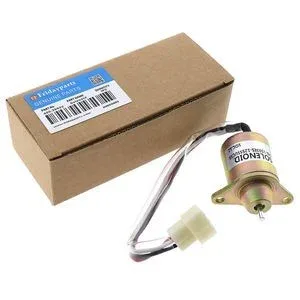
Matched Set Dispatch — Yanmar fuel system components ship together under one account, so your 3TNV88 or 4TNV98 rebuild arrives complete with this 12V Fuel Shut Off Solenoid engine rebuild and every adjacent seal.
Technical Specifications
| Parameter |
Value |
| Part Number |
425-35925 |
| Product Type |
Stop Solenoid |
| Cross-Reference |
425-35925 (reference only), 42535925 (reference only) |
| Machine Fitment |
Gehl SL3635, SL3935, 3640, 3840, 4240, 1448, 154; Mustang 2012, 2022, 2026, 2032, 2041, 2044, 2054 |
| Voltage |
12V DC |
| Response Time |
40ms |
| Operating Temperature |
-25°C to +85°C |
| Pressure Rating |
12 bar (dual NBR O-ring seal) |
| Insulation Class |
Class H (180°C thermal rating) |
| Dimensional Tolerance |
±0.05 mm |
| Endurance Test |
300-cycle |
| Condition |
New Aftermarket |
| Standards |
ISO 9001, ISO 16750-2 |
| Warranty |
6 months against manufacturing defects |
| MOQ |
1 piece |
Application Suitability
| Engine System |
Related Components |
| Yanmar 3TNV88 fuel control |
Fuel filters, injection lines, return hose clamps |
| Yanmar 4TNV98 fuel shut-off circuit |
Injector seals, pump gasket, solenoid wiring harness |
| Skid steer engine rebuild |
Complete overhaul gasket set, fuel lift pump, thermostat |
| Gehl / Mustang fleet maintenance |
Diagnostic test leads, spare solenoid connectors, seal kits |
Why a Solenoid Failure Rarely Tells the Whole Story
The solenoid is the symptom, not the disease.
When a fuel shut-off solenoid stops responding on a Yanmar-powered skid steer, the easy fix is to swap the unit and send the machine back to work. But a solenoid that failed prematurely often points to fuel system contamination, injector carbon tracking, or a wiring harness fault that will destroy the replacement just as quickly. Rebuild shops that address only the failed component see repeat failures within weeks [NEED_CITE: root cause analysis methodology for diesel fuel system electrical faults]. Treating the 12V Fuel Shut Off Solenoid engine rebuild as part of a system-level diagnosis is what separates a lasting repair from a temporary patch.

Where This Solenoid Sits in the Fuel Control Circuit
On Yanmar 3TNV88 and 4TNV98 platforms, the stop solenoid mounts directly to the fuel injection pump and acts as the final gate between the fuel supply and the combustion chambers. When the ECU or key switch cuts power, the solenoid plunger retracts within 40ms, sealing the fuel passage and stopping combustion. A 12V Fuel Shut Off Solenoid engine rebuild that responds slowly or fails to seal completely allows residual fuel to drip into the cylinder, leading to wet stacking, carbon buildup on injector tips, and hard-start complaints that get misdiagnosed as glow plug failures.
Matching the Electrical and Hydraulic Interfaces to Your Engine Variant
Yanmar engines across the Gehl and Mustang skid steer range share the same base solenoid housing but differ in connector pinout, plunger stroke length, and O-ring groove position depending on engine serial range and emission tier. A unit pulled from a Mustang 2044 may physically bolt to a Gehl 3840 pump but leave the connector one pin short or the plunger 0.3 mm too long, causing intermittent shut-off. Verifying engine serial number and cross-referencing the connector type against the pump casting number eliminates these variant traps [NEED_CITE: Yanmar engine serial range identification procedures for industrial applications].
Reading the Specs That Matter at System Level
The 12 bar pressure rating with dual NBR O-ring seals addresses a failure path that electrical specs alone do not reveal. Fuel pressure inside the injection pump housing can spike during rapid deceleration, and a single O-ring or undersized seal allows diesel to migrate past the solenoid body into the electrical cavity, corroding the coil winding from the inside. Class H insulation rated to 180°C provides thermal margin above the typical 85°C upper operating range, protecting the coil when the solenoid sits adjacent to exhaust-side components on a compact skid steer engine bay. The ±0.05 mm dimensional tolerance on the plunger ensures consistent seating force across the full 300-cycle endurance baseline.
The Cost of Skipping the System Check
A workshop that replaces only the solenoid without inspecting the injection pump internal passages, fuel return line restriction, and harness continuity may see the new unit fail within a single shift. Fuel-borne contaminants that scored the original plunger bore will do the same to the replacement. Wiring faults that caused voltage drop below the 12V activation threshold will leave the new coil under-energized and prone to overheating. These repeat failures are not solenoid defects — they are system faults that were never addressed [NEED_CITE: diesel fuel system contamination and component wear correlation studies].
Why Engine Rebuild Shops Source This Through XUNPO
Our own production lines and qualified sourced supply operate under one warranty and one account, so the 12V Fuel Shut Off Solenoid engine rebuild you order arrives alongside matched fuel filters, injector seals, and overhaul gasket sets from the same Guangzhou warehouse. Part identification starts from your engine serial number, a photograph of the old solenoid, or even a worn nameplate image — we cross-reference superseded numbers and variant differences before confirming the match. Sample units ship for fitment confirmation before you commit to bulk, and minimum order starts at one piece for emergency rebuilds. The technical team verifies compatibility and grade against your specific Yanmar engine variant, not just the machine model.
Documentation & Verification
- Commercial invoice listing each fuel system line item with HS code for customs clearance
- Cross-reference sheet mapping this solenoid to applicable Yanmar engine serial ranges (reference only)
- Quality inspection record covering voltage response curve, holding force, and 12 bar leak test
- Warranty terms specifying coverage scope and replacement procedure for manufacturing defects
- Packing photographs showing solenoid protective caps and O-ring condition before crate closure
Installation & Rebuild Sequence
- Clean injection pump mounting face to ISO cleanliness standard before seating the dual NBR O-rings
- Verify connector pinout matches engine harness before applying dielectric grease to terminals
- Torque solenoid mounting bolts to pump manufacturer specification to avoid housing distortion
- Cycle ignition three times without cranking to confirm 40ms response and full plunger travel
- Run engine at idle for initial break-in period and monitor shut-off response under load
Confirm the Right Variant Before You Order
Send us your Yanmar engine model, serial number, and any visible markings on the existing solenoid or pump housing. If the nameplate is gone, a photograph of the connector and mounting flange is enough for our technical team to verify the correct variant and cross-reference any superseded part numbers. For fleet overhaul planning, share your machine list and we will consolidate matched fuel system kits for the entire group.
Frequently Asked Questions
Q: What other fuel system parts should be replaced together with the shut-off solenoid?
A: On Yanmar 3TNV88 and 4TNV98 engines, we recommend replacing the fuel filter element, injection line O-rings, and return hose clamps in the same service event. If the solenoid failed due to contamination, inspect injector tip condition and consider the full fuel system seal kit to prevent repeat failures from degraded adjacent seals.
Q: How do I confirm the correct solenoid variant for my specific Yanmar engine serial?
A: Provide the engine serial number from the block stamping or the pump casting number. Yanmar produced several connector and plunger variants across production runs for Gehl and Mustang skid steers. Our technical team cross-references your serial against known variant boundaries and confirms the match before dispatch.
Q: Does the overhaul kit include all seals needed for this fuel system repair?
A: Standard overhaul gasket sets cover block and head seals but may exclude fuel pump interface O-rings specific to the solenoid mounting. We verify your kit contents against the engine serial and add any missing fuel-side seals so the complete job ships in one consignment without second orders.
Q: What engine system faults could cause repeated solenoid failure?
A: Voltage drop from corroded harness connectors, fuel contamination scoring the plunger bore, and restricted fuel return lines creating backpressure beyond the 12 bar seal rating are common root causes. Each of these faults will destroy a replacement solenoid just as quickly unless addressed during the rebuild.
Q: How do I identify the exact Yanmar engine model when the nameplate is worn?
A: Photograph the engine block casting numbers, the injection pump mounting flange, and the existing solenoid connector. Yanmar stampings on the block near the oil filter housing and on the pump body provide enough data for serial range identification even when the external nameplate is painted over or illegible.