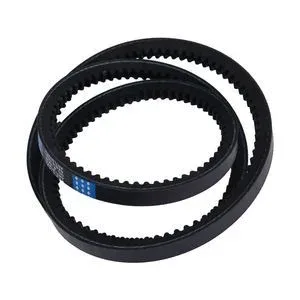
Engine Rebuild Sequence Verified — matched belt tension and tooth profile validated against specific Metro mower drive system variants before dispatch.
Technical Specifications
| Parameter |
Value |
| Part Number |
265-458 |
| Product Type |
Belt |
| Cross-Reference (reference only) |
1-323288, 1323288, 1-323288-SL, 1323288SL, 323288, 6586BR, 265458, 12-9257, 129257, 75-177, 75177 |
| Machine Fitment |
Exmark Metro series: M15KA322P, M15KA362, M15KA362P, M15KA483, M15KA483P (2007-2009); M16KA322P, M16KA362, M16KA362P, M16KA483, M16KA483P (2010); M32-12.5K-5, M32-12.5KO-5, M32-8.5B-5 (1995-1996); MG16KA362, MG16KA362CA, MG16KA362P, MG16KA483, MG16KA483CA, MG16KA483P (2011); MG481KA362, MG481KA362CA, MG481KA362P (2012) |
| Part Name |
Wheel Drive Belt |
| Condition |
New Aftermarket |
| Warranty |
3-12 months against manufacturing defects |
| MOQ |
1 piece |
| Certification |
ISO 9001 |
Application Suitability
| Engine System |
Related Components |
| Wheel drive power transmission |
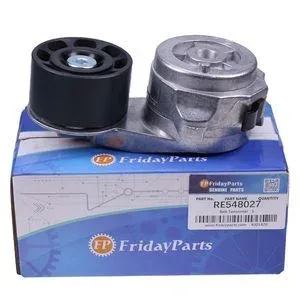
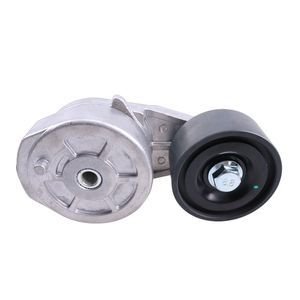
Drive pulleys, idler pulleys, belt tensioner assembly |
| Engine-to-wheel power path |
Spindle bearings, clutch assembly, deck drive belt |
| Hydrostatic drive interface |
Hydraulic pump coupling, wheel motor mounts |
Why Belt Failures Return Within Weeks on Metro Mowers
The broken belt is the symptom, not the root cause. A replacement Wheel Drive Belt 265-458 fitted over a worn tensioner or glazed pulley will fail again, often within a single mowing season. [NEED_CITE: belt drive system root cause analysis in commercial turf equipment]
In mining camp grounds maintenance across Nigeria and Kenya, I have seen Exmark Metro units come back to the workshop repeatedly because mechanics replaced the belt alone. The real fault sat in the tensioner spring losing pressure or a pulley bearing developing play. Each repeat failure means another machine down, another rush order, and the same unresolved problem. That pattern is what pushed me to look beyond the failed part itself. A wheel drive belt engine rebuild approach means treating the entire drive path as a system, not swapping one component in isolation.

Drive System Path and Adjacent Component Inspection
The belt runs from the engine output pulley through one or more idler pulleys and a spring-loaded tensioner before reaching the wheel drive transaxle. Every contact point in this path shapes belt life. When rebuilding or overhauling a Metro mower drive, checking only the belt leaves the most common failure triggers untouched. Pulley surface wear creates localized heat. A weak tensioner allows slip that accelerates tooth wear. Both conditions destroy a new belt quickly.
Superseded Numbers and Variant Differences Across Metro Generations
The cross-reference list for this wheel drive belt engine rebuild part spans multiple number formats: 1-323288, 1323288, 6586BR, 12-9257, and 75-177 among them. These are not random alternates. Exmark revised numbering across model years, and some references apply to specific deck widths or transaxle configurations. The M15 series from 2007-2009 and the MG481 series from 2012 share the same belt path but may differ in tensioner specification. [NEED_CITE: Exmark Metro belt drive superseded part number cross-reference documentation]. Ordering by machine model and serial number eliminates the guesswork that cross-reference tables alone cannot resolve.
Tooth Profile and Load Transfer Under Engine Torque
This belt transmits torque from the engine crankshaft through to the wheel transaxle, handling the full load variation of starting, stopping, and slope climbing. Tooth profile must match the pulley groove precisely. Even minor profile deviation causes uneven load distribution across teeth, concentrating stress and initiating cracks at the root. The ISO 9001 production framework ensures consistent tooth geometry and cord tension during vulcanization, which directly controls how evenly load transfers across the belt width during peak engine torque delivery.
The Hidden Cost of Ignoring the Tensioner
A new belt on a worn tensioner fails in weeks, not seasons. I processed warranty returns on Metro mowers where the belt was replaced three times before someone finally measured tensioner travel. The third belt showed identical cracking patterns to the first. [NEED_CITE: premature belt failure patterns linked to tensioner degradation in commercial mowers]. Each replacement cycle costs the repair shop labor hours, parts expense, and customer trust. The root cause diagnosis takes minutes with a tension gauge but often gets skipped when the focus stays on the broken component alone.
How System-Level Supply Prevents Repeat Failures
Our own production lines and qualified sourced partners operate under a single quality account and a single warranty, so the belt and its associated tensioner or pulley carry matching traceability. Eight product categories mean a complete drive system overhaul ships as one consignment. Minimum order of one piece allows emergency single-belt orders, while bulk orders for fleet maintenance programs receive the same verification process. Guangzhou warehouse stock on common drive components supports fast dispatch. Part identification works from number, machine model, photograph, or nameplate image. Cross-reference verification covers superseded and alternate numbers, and sample supply allows fitment confirmation before any bulk commitment.
Documentation & Verification
- Commercial invoice listing all drive system components in one document
- Part compatibility sheet with cross-reference numbers marked reference only
- Dimensional check record on belt length and tooth profile before dispatch
- Warranty terms covering manufacturing defects for 3 to 12 months
- Packing photographs showing belt coiling and protection during transit
- HS code and customs documentation for international shipment
Installation & Rebuild Sequence
- Inspect all pulley surfaces for grooves, glazing, or bearing play before fitting new belt
- Verify tensioner spring pressure and travel range against Metro mower specification
- Route belt through exact pulley path per machine model, checking no contact with guards
- Set tension to specification and rotate engine by hand to confirm seating before start
- Run unit under no-load for initial break-in, then recheck tension after first operating cycle
Rebuild Inquiry Information Needed
Provide the Exmark Metro mower model designation and serial number so we can confirm the exact belt variant and tensioner specification that matches your unit. If the nameplate is unreadable, a photograph of the existing belt routing and pulley arrangement allows identification. For fleet operators planning seasonal overhaul programs, share the unit count and model mix to consolidate drive system kits into one shipment.
Frequently Asked Questions
Q: What else should I inspect when replacing this drive belt?
A: Check every pulley for surface wear and bearing play, measure tensioner spring pressure and travel, and inspect the transaxle input shaft for runout. Any fault in these components will destroy a new belt within weeks. We recommend replacing the belt together with any worn tensioner or pulley identified during inspection.
Q: Are the superseded numbers like 1-323288 and 1323288 fully interchangeable?
A: These cross-reference numbers (reference only) cover the same belt across different Exmark model years, but some variants apply to specific deck widths or transaxle types. Confirm your exact Metro model and serial number to ensure the correct variant ships. Our team verifies interchange compatibility before dispatch.
Q: How do I identify the correct belt if the nameplate is worn off?
A: Send a photograph of the existing belt, the pulley layout, and any visible numbers on the old part. We cross-reference machine model, belt routing, and dimensions to confirm the match. This identification process works even when the mower nameplate is painted over or illegible.
Q: What causes premature failure on Metro mower drive belts?
A: The most common causes are worn tensioner springs losing pressure, glazed or grooved pulley surfaces creating heat, and misaligned pulley paths causing edge wear. Debris contamination from mowing conditions accelerates tooth damage. Addressing the root cause during belt replacement prevents repeat failures.
Q: Can I order a sample belt to confirm fitment before bulk purchasing?
A: Yes, sample supply is available for fitment confirmation before any bulk commitment. Install the sample on one Metro unit, verify routing and tension, and confirm operating performance. Once confirmed, the bulk order ships with the same verified specifications and batch consistency.