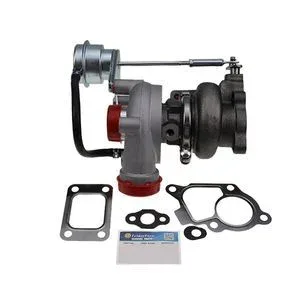
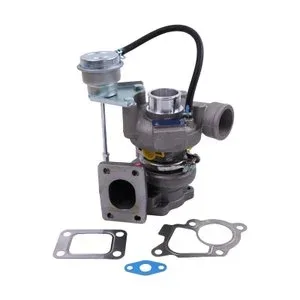
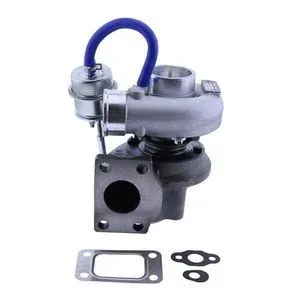
Engine Serial Variants Verified — Every turbocharger TD04L4 engine rebuild replacement we dispatch is matched against the specific V3307 variant to ensure correct flange and oil port alignment.
Technical Specifications
| Parameter |
Value |
| Part Number |
1J773-17013 |
| Product Type |
Turbocharger |
| Cross-Reference |
49177-03242, 49177-03230, 49177-03231, 49177-03232, 49177-03240, 49177-03241, 49177-03243, 1J770-17010, 1J770-17011, 1J770-17012, 1J773-17010, 1J773-17011, 1J773-17012, 1J773-17014 (cross-reference only for identification purposes) |
| Turbo Model |
TD04L4, TD04L4-09TK3-5.0 |
| Engine Compatibility |
V3307, V3307-DI-TE3-Q, V3307-DI-T-E3B, Stage3B (Tier 4) |
| Machine Fitment |
KX080-4S, M6060HDC, M6060HFC, M7060HDC, M7060HDC12, M7060HFC, SSV75, SSV75C, SSV75P, SSV75PC |
| Condition |
New Aftermarket |
| Warranty |
3-12 months against manufacturing defects |
| Quality Standard |
ISO 9001 |
Application Suitability
| Engine System |
Related Components |
| Intake and Forced Induction |
Intake ducting gaskets, air filter element, boost pressure sensor |
| Lubrication Feed to Turbo |
Oil feed line, oil drain gasket, turbo oil return hose |
| Exhaust and Emission Control |
Exhaust manifold gasket, exhaust clamp, V-band or flange seal |
| Engine Overhaul (Top End) |
Cylinder head gasket set, valve stem seals, injector copper sleeves |
Why Replacing Only the Turbo Brings the Machine Back to the Bench
A failed turbocharger TD04L4 engine rebuild replacement installed without diagnosing the root cause typically fails again within one oil change interval.
In my years working across job sites in Dubai and Riyadh, I have watched Kubota V3307 engines return to the teardown bench because the mechanic swapped the turbo but never flushed the oil feed line. The contaminated oil that destroyed the first unit destroys the second one just as reliably. Contaminated lubricant, restricted oil drain paths, and excessive exhaust backpressure are the usual culprits behind repeat turbo failure on these platforms [NEED_CITE: diesel engine turbocharger failure root cause analysis for off-highway equipment]. Treating the turbocharger as an isolated component rather than part of a pressurized intake and lubrication system is the single most expensive mistake a rebuild shop can make.

The Turbocharger Inside the V3307 Intake and Emission System
The TD04L4 sits at the intersection of three engine subsystems: the intake tract, the exhaust manifold, and the pressurized oil circuit. Each subsystem contributes to turbo longevity or early death. When planning a turbocharger TD04L4 engine rebuild replacement, the intake ducting must be inspected for collapsed hoses or loose clamps that allow unfiltered dust ingestion. The exhaust side demands a clean manifold face and a correctly torqued flange to prevent hot gas leakage into the bearing housing. Oil supply pressure and drain capacity must both meet specification before the new unit is trusted under load.
Engine Serial Variants That Change the Fitment Picture
The V3307 family spans several serial variants — V3307-DI-TE3-Q and V3307-DI-T-E3B among them — and the turbocharger interface is not identical across all of them. Oil feed port orientation, exhaust flange bolt pattern, and compressor housing outlet angle can shift between builds. A unit sourced for a KX080-4S excavator may not bolt directly to the same displacement engine inside an SSV75 skid steer if the serial ranges differ. Confirming the engine plate serial against the cross-reference table prevents the situation where the turbo physically mounts but the oil drain line cannot be routed without kinking [NEED_CITE: turbocharger oil drain routing requirements for compact diesel installations].
Reading the TD04L4 Specification Sheet for Real-World Decisions
The TD04L4-09TK3-5.0 designation encodes turbine wheel trim, compressor inducer diameter, and A/R ratio — each of which governs how quickly the unit spools and how much boost it delivers at the V3307 operating range. A mismatch in trim shifts the surge line, meaning the compressor can stall at low engine RPM and produce audible flutter under load. The turbine housing material must withstand sustained exhaust gas temperatures typical of Tier 4 combustion calibration, where exhaust energy is deliberately elevated to support aftertreatment regeneration. Bearing design within the cartridge — floating journal versus ball-bearing — dictates oil flow requirements and acceptable oil pressure windows. Selecting the correct variant is not cosmetic; it defines whether the engine reaches rated torque or runs persistently rich.
The Cost of Skipping the Root-Cause Diagnosis
When a rebuild shop installs a replacement turbo without inspecting the oil feed screen, replacing the drain gasket, or measuring exhaust backpressure, the new cartridge inherits the same hostile environment that killed its predecessor. Carbon-clogged oil passages starve the journal bearings during the critical first minutes of operation. A pinched drain hose forces oil past the turbine seal, filling the exhaust with white smoke and contaminating the DPF downstream. These failures are not warranty claims — they are installation-process failures, and they erase any time savings the shop hoped to gain by skipping the diagnostic checklist [NEED_CITE: turbocharger installation pre-lube and oil system verification procedures].
Why Engine Rebuild Shops Source This Turbocharger Through XUNPO
Own production lines and qualified sourced supply operate under one warranty and one account, so a turbocharger and its associated gasket set arrive as a single consignment rather than two separate orders with mismatched lead times. Cross-reference verification covers every superseded number from 49177-03242 through 1J773-17014, reducing the risk of shipping an obsolete variant. Sample units are available for fitment confirmation before a fleet operator commits to a bulk overhaul order. The technical team confirms engine serial compatibility and matching oversize grades when the engine has been through a previous rebuild. Minimum order is one piece, which matters when a single machine is down on a remote site and waiting for a full container is not an option.
Documentation & Verification
- Commercial invoice and packing list matching the exact engine serial and turbo variant shipped
- Part compatibility and cross-reference sheet listing all superseded numbers as reference only
- Dimensional and balance quality inspection record for the turbo cartridge assembly
- Warranty terms covering manufacturing defects for 3 to 12 months depending on application
- Packing photographs showing protective caps on oil ports and compressor inlet before crate closure
- HS code and customs documentation support for international engine parts shipments
Installation & Rebuild Sequence
- Pre-lube the turbo bearing cartridge with clean engine oil before the first cranking attempt
- Verify oil feed line screen is clear and drain hose is free of kinks or collapse
- Torque exhaust flange fasteners to specification using new gaskets, never reused hardware
- Confirm compressor outlet ducting clamp alignment and absence of intake leaks before startup
- Run the engine at idle for the initial break-in period while monitoring oil pressure at the turbo feed
- Check for exhaust gas leaks at the manifold-to-turbo joint after the first heat cycle
Request a System-Matched Quotation
Provide your V3307 engine serial number, the machine model, and any previous rebuild history so we can confirm the correct TD04L4 variant and the matching gasket and seal contents. If the engine plate is illegible, a photograph of the old turbo data tag and the exhaust flange pattern is usually sufficient for identification.
Frequently Asked Questions
Q: What gaskets and seals should be replaced alongside the turbocharger?
A: At minimum, replace the exhaust manifold-to-turbo gasket, the oil drain flange gasket, and the oil feed line O-rings. Intake ducting clamps and the compressor outlet seal should also be refreshed. Skipping these inexpensive seals risks an oil leak or boost leak that forces a second teardown within weeks of the initial repair.
Q: How do I confirm the correct TD04L4 variant for my engine serial?
A: Cross-reference your engine plate serial against the V3307-DI-TE3-Q or V3307-DI-T-E3B designation, then verify the oil port orientation and exhaust flange bolt pattern against our compatibility sheet. Photographs of the old unit data tag and mounting face resolve most ambiguous cases before shipment.
Q: Why did the previous turbocharger fail and how do I prevent it happening again?
A: Common root causes include contaminated oil from a degraded filter, a restricted oil drain line, and excessive exhaust backpressure from a blocked aftertreatment system. Flush the oil feed circuit, replace the drain hose, and measure backpressure before installing the new unit to address the fault rather than just the failed component.
Q: Does the overhaul kit include turbo mounting hardware?
A: Overhaul kits typically cover cylinder head gaskets, piston ring sets, and bearing shells. Turbo mounting studs, exhaust flange nuts, and oil banjo bolts are often separate line items. Confirm the kit contents list before ordering to ensure all fasteners required for turbo reinstallation are accounted for.
Q: How can I identify the exact V3307 engine variant from a worn nameplate?
A: A clear photograph of whatever characters remain on the engine plate, combined with the machine model and approximate year of manufacture, allows our technical team to narrow the serial range. Oil pan configuration and injector type visible in a second photograph further confirm the variant when the plate is completely illegible.