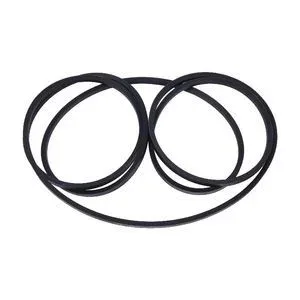
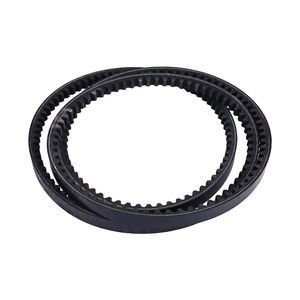
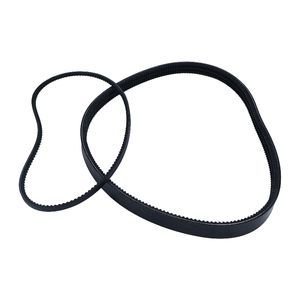
System-Level Match — This 130-0843 belt ships verified against adjacent deck pulley and spindle bearing tolerances for matched overhaul kits.
Technical Specifications
| Parameter |
Value |
| Part Number |
130-0843 |
| Product Type |
Belt |
| Cross-Reference |
130-0843, 1300843, 130-0843-SL, 1300843SL, 130-0843P, 1300843P (reference only) |
| Machine Fitment |
Toro TimeCutter 74740, 74741, 74768, 74778, 74793, 75754, 75756, 75757; Exmark Quest E-Series QTE708GEM54100, QZS708GEM54200; Exmark Quest S-Series QZS735GKC54200 |
| Dimensions |
54" (A-section profile) |
| Material |
High-tensile synthetic rubber compound with polyester cord reinforcement |
| Heat Resistance |
Up to 120°C |
| Assembly State |
New Aftermarket |
| Certification |
ISO 9001, ISO 4184 |
| Warranty |
3–12 months against manufacturing defects |
| MOQ |
1 piece |
| Packaging |
Individual polybag with printed part number and brand logo |
Application Suitability
| Engine System |
Related Components |
| PTO Power Transmission to Deck |
Idler Pulleys, Tensioner Arms |
| Deck Spindle Drive Assembly |
Spindle Bearings, Spindle Housings |
| Commercial Mowing Fleet Maintenance |
Matched Belt and Pulley Sets |
Why the Same Deck Belt Fails Prematurely After Replacement
A replacement belt alone does not fix a worn tensioner or seized idler pulley bearing.
In commercial landscaping and municipal mowing operations, a single 54" Deck V-Belt replacement for Toro TimeCutter engine system often fails within weeks if the root cause remains unaddressed. The polyester cord reinforcement in this belt maintains tension stability, but a dragging idler pulley generates heat exceeding the compound's 120°C rating, leading to glazing and edge cracking [NEED_CITE: belt drive system thermal failure modes in commercial mowing equipment]. Sourcing the belt as part of a matched system kit prevents the recurring downtime that plagues reactive maintenance programs.

The Belt Drive System Within the Mower Deck Architecture
This 54" Deck V-Belt replacement for Toro TimeCutter engine system transmits PTO power from the engine crankshaft pulley through the deck idler and tensioner assembly to the spindle pulleys driving the cutting blades. The A-section cross-section geometry must match OEM pulley grooves precisely; a mismatched profile causes edge wear and slippage under the variable loads encountered in tall grass or uneven terrain. When planning a deck overhaul, the belt sits at the center of a component triangle including the tensioner arm pivot, idler pulley bearings, and spindle bearing assemblies.
Addressing Systemic Wear Rather Than the Broken Belt Alone
A belt that snaps or glazes repeatedly signals adjacent component failure. The tensioner arm pivot may have developed play, reducing effective clamping force on the belt sidewalls. Idler pulley bearings may be seized or dragging, creating localized heat spots that degrade the synthetic rubber compound. Spindle bearings with excessive runout cause the pulley to wobble, walking the belt off its intended tracking path [NEED_CITE: mower deck spindle bearing runout specifications and belt tracking]. Replacing the belt without inspecting these adjacent components invites premature re-failure and wasted labor hours.
Material Specification and Thermal Performance in Deck Environments
The high-tensile synthetic rubber compound with polyester cord reinforcement addresses the specific thermal and mechanical demands of mower deck power transmission. The polyester cord maintains dimensional stability under the cyclic loading of PTO engagement and blade impact with debris, minimizing stretch-related re-tensioning during the service interval. The heat-resistant formulation rated to 120°C prevents the glazing that occurs when belts slip on worn pulleys, though this rating assumes functional idler and tensioner components. The A-section profile depth and sidewall angle must conform to ISO 4184 standards to ensure proper wedging action in the pulley grooves under load.
The Hidden Cost of Single-Component Replacement
Replacing only the failed belt while ignoring worn tensioner springs, corroded idler pivots, or out-of-spec spindle bearings leads to repeat failures within the same season. Commercial mowing fleets experience cumulative downtime when machines return to the shop multiple times for the same symptom. The labor cost of repeated deck removal and belt installation exceeds the parts cost of a complete system overhaul kit [NEED_CITE: commercial landscaping equipment total cost of ownership and preventive maintenance]. System-level thinking at the point of first failure prevents the cascade of secondary breakdowns.
Why Source This Belt Drive Component Here
Our own production on selected belt lines and qualified sourced supply operate under one account and one warranty, eliminating supplier finger-pointing when deck issues arise. The eight categories of engine and deck system components mean a complete overhaul list ships as one consignment, avoiding split freight charges and mismatched lead times. Minimum order from one piece supports emergency single-belt purchases for downed machines while enabling fleet-level stocking. Guangzhou warehouse stock provides fast dispatch on common deck belt sizes. Part identification from machine model number, worn belt photograph, or deck nameplate image eliminates guesswork when cross-reference tables conflict. Technical team confirmation of A-section profile match and adjacent component compatibility prevents fitment surprises on the shop floor.
Documentation & Verification
- Commercial invoice and packing list itemizing belt part number and cross-reference designations
- Part compatibility sheet confirming Toro TimeCutter and Exmark Quest model fitment (reference only)
- Quality inspection record covering dimensional accuracy and tensile strength test results
- Warranty terms document specifying 3–12 month coverage scope for manufacturing defects
- Packing photographs showing individual polybag packaging and part number labeling before dispatch
- HS code and customs documentation support for international belt shipments
Installation & Rebuild Sequence
- Inspect tensioner arm pivot and idler pulley bearings for play or drag before installing new belt
- Verify A-section profile matches deck pulley groove geometry to prevent sidewall edge wear
- Check spindle bearing runout and pulley alignment to ensure proper belt tracking under load
- Route belt per OEM diagram, confirm tensioner spring provides adequate clamping force
- Run deck at idle for initial break-in, then re-check belt tracking and tension after first hour
Requesting a System-Matched Quote
Provide your Toro TimeCutter or Exmark Quest model number and serial range to confirm exact belt length and profile match. Include the condition of adjacent deck components—idler pulleys, tensioner arms, spindle bearings—so we can recommend a matched overhaul kit rather than a single belt that will fail again. Specify whether this is an emergency single-piece order or fleet-level preventive stocking to receive appropriate lead time and consolidation options.
Frequently Asked Questions
Q: What other deck components should be replaced along with this belt during an overhaul?
A: A complete deck system overhaul typically includes the belt, idler pulleys with fresh bearings, tensioner arm and spring assembly, and spindle bearing sets. Replacing only the belt while adjacent components show wear leads to premature re-failure. Request a matched kit quote with your machine model and serial number for system-level compatibility verification.
Q: How do I confirm the correct belt profile and length for my specific Toro or Exmark model variant?
A: Provide your machine model number and serial range, as belt specifications can vary across production years and deck configurations. We cross-reference your serial against OEM build records to verify the 54" A-section profile matches your pulley groove geometry. Photographs of the existing belt or deck nameplate also assist identification when part numbers are worn.
Q: Does the belt drive system require matched tolerances with pulleys and tensioners after a previous rebuild?
A: Yes, aftermarket pulleys or tensioners installed during a prior rebuild may have different groove profiles or spring rates than OEM specifications. Mismatched tolerances cause belt slippage, edge wear, or premature fatigue failure. We verify system-level compatibility when you provide details of any previous deck component replacements.
Q: What root-cause factors in the deck system typically lead to premature belt failure?
A: Common root causes include seized idler pulley bearings generating excess heat, worn tensioner arm pivots reducing clamping force, spindle bearing runout causing belt mistracking, and debris accumulation abrading belt sidewalls. Identifying and correcting these factors during belt replacement prevents the repeat failures that plague reactive maintenance approaches.
Q: Can I order a complete deck overhaul kit including this belt, pulleys, and bearings in one shipment?
A: Yes, consolidated deck system kits ship as one consignment under a single warranty, eliminating split freight and mismatched arrival times. Provide your machine model and a list of required components—belt, idler pulleys, tensioner assembly, spindle bearings—for a matched kit quote with verified cross-reference compatibility.