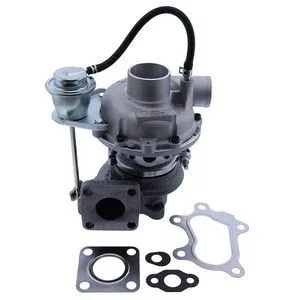
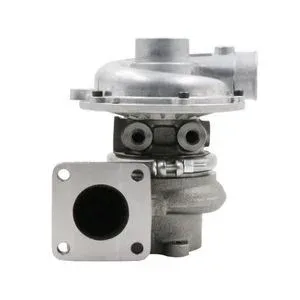
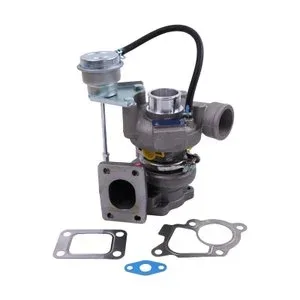
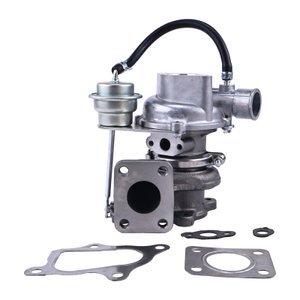
Matched Set Dispatch — Turbocharger, gaskets, and oil line seals verified against Perkins 404C-22T serial variants before shipment.
Technical Specifications
| Parameter |
Value |
| Part Number |
SBA135756170 |
| Product Type |
Turbocharger |
| Turbo Model |
RHF4-46001P8.5NHBRL323CAZ |
| Condition |
New Aftermarket |
| Machine Fitment |
New Holland L170, LS170, S55, SL55B; Perkins 404C-22T, 404D-22T, 404D-22TA, 3024C, C2.2T; Caterpillar (compatible with); Shibaura N844L, N844LT |
| Cross-Reference (reference only) |
M87772751, F41CAD-S0057BG, F41CAD-S0057G, 4T-507, VA420057, VB420057, VC40057, VC420057, VD420057, 135756170, 13575-6170, 87772751, 4T507, F41CADS0057B, F41CADS0057 |
| Quality Standard |
ISO 9001 |
| Warranty |
3–12 month warranty against manufacturing defects |
Application Suitability
| Engine System |
Related Components |
| Intake & Forced Induction |
Exhaust manifold gasket, intake ducting, intercooler hoses |
| Lubrication Feed & Return |
Oil supply line, oil return pipe, O-rings and banjo washers |
| Filtration & Breathing |
Air filter element, crankcase breather hoses |
| Emission & Exhaust Path |
Exhaust outlet flange gasket, heat shields, clamps |
Why a Replacement Turbo Fails Weeks After Rebuild
A new turbo inherits the same fault if the oil feed restriction or exhaust leak is not resolved during the same teardown.
When an engine rebuild shop fits a turbocharger RHF4 engine rebuild replacement unit but reuses the old oil supply line or exhaust gasket, contaminants and flow restrictions remain in the system. In my years moving from parts catalog lookup to technical support in the Guangzhou parts hub, I have seen teardowns stall because a single missing shim kept the cylinder head from seating — the same frustration applies when a turbo goes back on without matched gaskets and seals. Repeated turbo failure often traces to system-level issues rather than the unit itself [NEED_CITE: root cause analysis for turbocharger bearing failure in diesel engines]. Addressing the lubrication circuit and exhaust sealing together prevents the new component from inheriting the conditions that destroyed its predecessor.

The Intake and Exhaust System Context
This turbocharger RHF4 engine rebuild replacement belongs to the forced induction loop of Perkins 404-series and Shibaura N844 power units. The compressor side draws filtered air and pushes it through intercooler ducting into the intake manifold, while the turbine side spins from exhaust gas energy exiting the manifold. Every joint in that path — from the air filter housing to the exhaust outlet flange — must seal correctly for the turbo to operate within its designed pressure ratio and shaft speed envelope. Supplying the unit alongside adjacent system components ensures the full induction circuit is addressed during one overhaul window.
Engine Serial Variants and Rebuild History
Perkins 404C-22T, 404D-22T, and 404D-22TA engines share the RHF4 platform, yet port orientation and wastegate calibration can differ across production runs. An engine that has already been rebuilt once may also have non-standard clearances or modified oil galleries that affect turbo lubrication flow. Confirming the engine serial number and noting any prior overhaul history allows the correct variant to ship, avoiding a situation where the oil inlet flange rotates to the wrong side of the block [NEED_CITE: Perkins 404 series engine serial identification for turbo fitment]. This step matters especially for Shibaura N844L and N844LT variants, where turbo mounting geometry shifts between naturally aspirated and turbocharged builds.
Reading the Specification Sheet for Real-World Impact
The RHF4-46001P8.5NHBRL323CAZ designation encodes the compressor wheel trim, turbine housing A/R ratio, and wastegate actuator pressure setting. The 8.5 cm² turbine housing area balances low-end response with top-end exhaust flow capacity, suited to the 1.5 to 2.2 liter displacement range of these engines. A mismatch in wastegate calibration — even within the same RHF4 family — leads to over-boost or under-boost, both of which accelerate bearing wear and raise exhaust gas temperatures beyond safe thresholds. The ISO 9001 production standard ensures dynamic balance and pressure test records accompany each unit, giving rebuild shops confidence that the shaft assembly meets runout and leak tolerances before installation [NEED_CITE: turbocharger rotor dynamic balance standards for aftermarket units].
The Hidden Cost of a Partial System Repair
Fitting a fresh turbo onto an engine with degraded oil feed lines or reused exhaust gaskets invites early shaft bearing failure and boost leaks. In fleet maintenance, this pattern shows up as a second teardown within months, doubling labor hours and pulling the machine off the site again. Shops that treat the turbo as an isolated replacement rather than a system node accumulate these repeat visits across their customer base [NEED_CITE: cost of repeat turbocharger failure due to uncorrected oil system faults]. The expense is not the part itself — it is the compounded labor, the second round of gaskets, and the lost equipment availability.
Why Engine Rebuild Shops Source Here
This supply chain covers both self-produced and qualified sourced turbo lines under one account and one warranty, so a rebuild shop orders the turbo, matched gasket kit, and oil line seals without managing multiple vendors. A single-piece minimum applies, which matters when one machine is down and a full container order makes no sense. Identification is supported from part number, machine model, photograph, or nameplate image — useful when the old turbo tag is oil-soaked or illegible. Cross-reference verification covers superseded numbers like M87772751 and the VA420057 through VD420057 series, reducing the chance of receiving a unit that physically fits but performs incorrectly. Sample units ship for fitment confirmation before any bulk commitment, and the technical team verifies port orientation and wastegate grade against the specific engine serial.
Documentation & Verification
- Commercial invoice listing turbo model RHF4-46001P8.5NHBRL323CAZ with HS code for customs clearance
- Cross-reference sheet mapping SBA135756170 to M87772751, 135756170, and related interchange numbers (reference only)
- Quality inspection record covering dynamic balance, shaft runout, and compressor housing pressure test
- Warranty terms specifying defect replacement process and coverage duration for this turbocharger
- Packing photographs confirming protective caps on oil inlet, oil outlet, and compressor inlet before crating
Installation & Rebuild Sequence
- Flush oil feed and return lines before fitting the RHF4 unit to prevent residual debris from scoring new bearings
- Install new exhaust manifold gasket and turbo mounting hardware torqued to engine manual specification
- Pre-lube the turbo center housing with clean engine oil through the oil inlet port before first start
- Verify wastegate actuator rod adjustment matches the 404C-22T or 404D-22T service manual setting
- Run the engine at idle with the fuel shutoff disabled to circulate oil through the turbo before applying load
Requesting the Correct Variant for Your Engine
Provide the engine model, serial number, and any known prior rebuild history so the correct port orientation and wastegate calibration can be confirmed. If the old turbo nameplate is still legible, include a clear photograph of the data tag along with the machine model. For shops planning a full overhaul kit, list the adjacent gaskets and oil line components needed so a matched set ships together in one consignment.
Frequently Asked Questions
Q: What gaskets and seals should be replaced together with the turbocharger?
A: The exhaust manifold-to-turbo gasket, turbo outlet flange gasket, oil feed banjo washers, and oil return pipe O-rings should all be renewed. Reusing any of these introduces leak paths that compromise boost pressure or oil flow. We supply these as a matched set alongside the turbocharger to avoid split orders.
Q: How do I confirm the correct RHF4 variant for my engine serial number?
A: Share the full engine serial number from the nameplate. We cross-check it against production records to verify port orientation, wastegate actuator pressure, and flange pattern. This step catches variant differences between 404C-22T and 404D-22T engines that a base part number alone cannot distinguish.
Q: What system-level faults commonly cause repeated turbo failure?
A: Contaminated or degraded engine oil, restricted oil feed lines, and exhaust gas temperature spikes from injector faults are the most common root causes. Replacing the turbo without addressing these faults leads to repeat failure. We recommend inspecting the full lubrication and fuel delivery circuit during the rebuild.
Q: Do Perkins 404C-22T and 404D-22T use the same turbocharger?
A: Both engines use the RHF4 platform, but they may differ in port orientation and wastegate calibration depending on production date and application. Always verify against the engine serial number rather than assuming interchangeability. We confirm the correct variant before dispatch.
Q: Can I get a sample to verify fitment before committing to a bulk order?
A: Yes. Sample units ship with the same warranty terms and documentation as production orders. Install the sample, confirm bolt pattern, port alignment, and wastegate actuator reach, then approve bulk supply. This avoids the cost of receiving a full shipment that does not match the engine build on the bench.