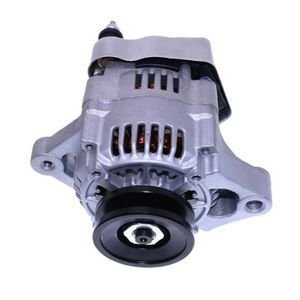
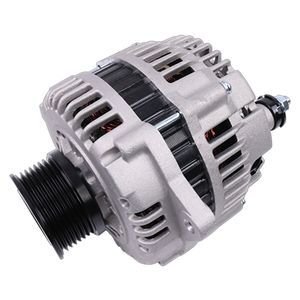
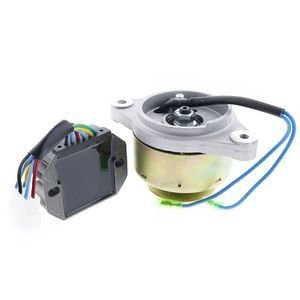
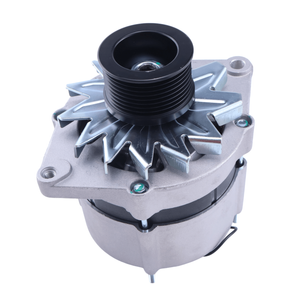
Engine Serial Variants Confirmed — alternator plug and mounting verified against Kubota D722 through D1505 production records before dispatch.
Technical Specifications
| Parameter |
Value |
| Part Number |
16241-64013 |
| Product Type |
Alternator |
| Cross-Reference |
16241-64013 (reference only) |
| Machine Fitment |
B1550D, B1550E, B1750D, B1750E, B21, B2100D, B2150D, B2150E, B2410HSD, B26, B2710HSD, B2910HSD, B7311, B7324, B7500D, B7500DTN, B7500HSD, BX7310, BX7310A, F2260, F2400, F2560, F2560E, F2680E, F2690, F2690E, F3060, F3080, F3680, FZ2100, FZ2400, KX41-2, KX41H, KX61-2, KX71, KX91-2, U17, R310, R310BH |
| Voltage |
12V |
| Amperage |
40A |
| Belt Pulley Diameter |
68mm |
| Plug Type |
T plug |
| Mounting Hole Diameter |
138mm |
| Condition |
New Aftermarket |
| Warranty |
3–12 months against manufacturing defects |
| Standard |
ISO 9001 |
Application Suitability
| Engine System |
Related Components |
| Charging circuit on D722–D1505 diesel engines |
Drive belt, belt tensioner, wiring harness connector |
| Electrical system restoration during overhaul |
Battery terminals, ECU power feed, ground strap |
| Continuous-duty agricultural and landscaping fleets |
Voltage regulator, ignition switch contacts |
| Compact excavator electrical repair (KX / U17 series) |
T plug pigtail, alternator mounting bracket hardware |
Why the Same 40A 12V Alternator for Kubota Engine Rebuild Arrives in More Than One Configuration
Plug type and mounting ear clocking shift across engine serial ranges, so the part number alone does not guarantee a drop-in fit.
When I worked on charging systems in Indonesian mining camps, Kubota D722 to D1505 engines were everywhere — on compact excavators, tractors, and front mowers running double shifts. The 16241-64013 alternator (cross-reference only) appeared on most of them. Yet I watched a freshly rebuilt D1105 come back dead within weeks because the replacement unit had the wrong plug orientation. The T plug matched electrically but not physically on that particular engine variant. The wiring harness had to be re-routed under field conditions, and the poor routing caused vibration fatigue on the connector within a month [NEED_CITE: Kubota D-series alternator plug configuration differences across engine serial ranges].
A 40A 12V alternator for Kubota engine rebuild is not a universal swap. The engine serial, the production year of the host machine, and whether the block was previously overhauled all influence which variant seats correctly. Skipping that verification step turns a straightforward replacement into a diagnostic headache that delays the entire rebuild schedule.

Charging System Context Across D722–D1505 Families
The alternator does not work in isolation. It sits at the center of a charging loop that includes the battery, voltage regulator, drive belt, and the ECU power feed. On D-series and V-series Kubota blocks, a 40A output must satisfy both the baseline electrical load and any auxiliary circuits the host machine adds — work lights on a compact excavator, PTO controls on a tractor, or hydraulic pilot solenoids on a U17. If the 40A 12V alternator for Kubota engine rebuild is matched to the battery capacity and the machine's actual draw profile, the charging system stabilizes at a voltage that protects sensitive electronics from ripple damage.
Belt Drive Interface and Plug Verification
The 68mm pulley diameter must match the OEM belt pitch and groove profile exactly. A mismatched groove causes slippage under sustained load, which drops alternator output and overheats the stator winding. Equally important is the T plug alignment: on early-production D905 and D1105 blocks the harness routes from the left side, while later D1505 variants may approach from below. Confirming plug clocking against the engine serial before installation prevents harness stretch and connector strain [NEED_CITE: alternator belt slippage effects on stator winding temperature in compact diesel engines].
Reading the Specifications That Matter
Voltage and amperage define the alternator's output envelope, but the mounting hole diameter of 138mm determines whether the unit physically seats on the bracket without shimming or modification. The T plug type governs harness compatibility — pin spacing and locking tab position vary between T-type and other Kubota connector families. The 68mm pulley must engage the same belt cross-section the tensioner was designed for; substituting a different pulley diameter changes the belt wrap angle and reduces effective grip under load. Together these four parameters — output rating, mounting geometry, connector type, and pulley size — form the minimum checklist for a correct fit.
The Cost of Skipping the Root-Cause Check
Replacing an alternator without tracing why the previous unit failed is a recurring pattern I have seen in field workshops. A worn belt tensioner allows slippage that overloads the alternator diode bridge. Corroded battery terminals force the unit to work harder to maintain system voltage. A degraded ground strap introduces resistance that the alternator compensates for until its windings overheat. Installing a new 40A 12V alternator for Kubota engine rebuild on a system with unresolved faults invites repeat failure, sometimes within weeks of the rebuild [NEED_CITE: alternator failure root cause analysis in off-road diesel applications].
Why Source This Alternator Through XUNPO
Self-produced lines and qualified sourced supply share identical QC and warranty terms, so the charging system component you receive carries the same accountability regardless of production origin. Eight product categories under one account mean belts, tensioners, T plug pigtails, and wiring connectors ship alongside the alternator in a single consignment. Orders start from one piece, which matters when an engine rebuild shop needs a single replacement to finish a job. Guangzhou warehouse stock supports fast dispatch on common configurations. Part identification works from a part number, a machine model, or a photograph of the nameplate — useful when paint or corrosion obscures the original stamping. Cross-reference verification covers superseded and alternate numbers to catch variant mismatches before the unit leaves the warehouse.
Documentation & Verification
- Commercial invoice and packing list with alternator part number and engine compatibility noted
- Cross-reference sheet marking 16241-64013 as reference only with superseded number tracking
- Quality inspection record including full-load voltage output and ripple test results
- Warranty terms covering manufacturing defects for the stated period
- Packing photographs confirming pulley and plug condition before crate closure
- HS code and customs documentation support for international engine parts shipments
Installation & Rebuild Sequence
- Verify 138mm mounting hole alignment with bracket before torquing alternator bolts
- Inspect drive belt and tensioner; replace both if glazing or cracking is present
- Confirm T plug pins seat fully with positive lock engagement on the harness side
- Check system voltage at the battery with engine at rated RPM after first start
- Run a ripple test on the charging circuit to confirm diode bridge integrity post-installation
Request Compatibility Confirmation Before Ordering
Provide your engine model, serial number, and any rebuild history so the technical team can confirm the correct plug configuration and mounting variant. If the nameplate is unreadable, a photograph of the existing alternator plug and mounting ears is sufficient for identification.
Frequently Asked Questions
Q: What other charging system components should I replace during the same overhaul?
A: The drive belt and tensioner should be replaced alongside the alternator because worn tensioners cause belt slippage that overloads the new unit's diode bridge. Inspect the T plug connector for corrosion or cracked housing, and replace the pigtail if pin contact resistance is elevated. Battery terminals and ground straps should be cleaned or renewed to prevent the alternator from compensating for circuit resistance.
Q: Does the T plug fit all Kubota D-series and V-series engine variants?
A: The T plug type fits many D722 through D1505 engines, but plug clocking and harness routing differ across production years and machine models. Some later V-series variants use a modified connector orientation. Always confirm against your specific engine serial number before ordering to avoid harness rework on the shop floor.
Q: How do I confirm my engine serial matches this alternator specification?
A: Share the engine serial from the nameplate, or a clear photograph if the stamping is worn. The technical team cross-references the serial against production records to verify plug type, mounting geometry, and pulley diameter. This step catches variant differences that part number lookup alone cannot resolve.
Q: What causes repeat alternator failure after a seemingly correct replacement?
A: The most common root causes are a worn belt tensioner allowing slippage, corroded wiring connectors adding resistance, and a degraded ground strap forcing the alternator to overwork. Installing a new unit without addressing these adjacent faults leads to early stator or diode failure. A full charging circuit inspection before installation prevents repeat rebuild visits.
Q: Can I order a replacement wiring harness connector if my original T plug is damaged?
A: Yes, T plug pigtails and connector housings are available as separate line items and can ship in the same consignment as the alternator. Provide a photograph of your existing connector so the correct pin configuration is confirmed. This avoids a second order and keeps the rebuild on schedule.