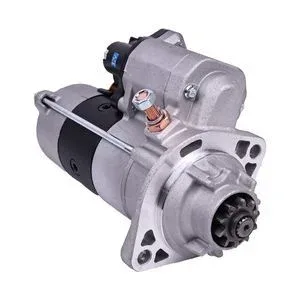
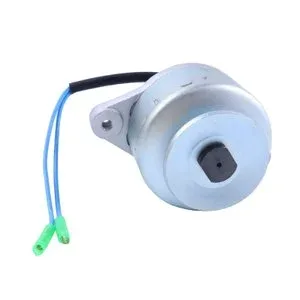
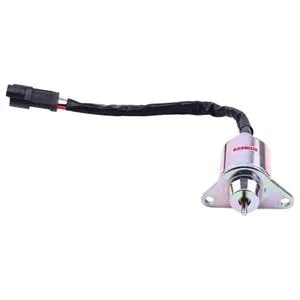
Matched Set Dispatch — This starter motor ships alongside overhaul gaskets and charging-system components verified for your specific Cummins engine serial variant.
Technical Specifications
| Parameter |
Value |
| Part Number |
4996706 |
| Product Type |
Starter Motor |
| Cross-Reference |
4996706 (reference only), 4280007090, 4280007091, 4280007092, 4380003110, 5128000980 |
| Machine Fitment |
Cummins 4B3.9, 6B5.9, 6C8.3, B3.3, B4.5, B4.5 CM2350 B146C, B4.5 CM2350 B160M, B6.7 CM2350 B136C, F3.8 CM2350 F128C, G5.9, ISB/ISD6.7 CM2150 SN, ISB4.5 CM2150, ISB6.7 CM2250, QSB4.5 30 CM550, QSB4.5 CM2250 EC, QSB4.5 CM2350 B106, QSB4.5 CM850, QSB5.9 30 CM550, QSB5.9 CM850, QSB6.7 CM2250, QSB6.7 CM2250 EC, QSB6.7 CM2350 B105, QSB6.7 CM850, QSB6.7 M CM2250 |
| Voltage |
12V |
| Pinion Gear Teeth |
10T |
| Condition |
New Aftermarket |
| Warranty |
3–12 months against manufacturing defects |
| Quality Standard |
ISO 9001:2015 |
Application Suitability
| Engine System |
Related Components |
| Cranking circuit |
Battery cables, flywheel ring gear, solenoid relay |
| Charging system |
Alternator, voltage regulator, belt drive tensioner |
| Engine overhaul auxiliary |
Overhaul gasket set, flywheel housing seals, mounting fasteners |
| Electrical diagnostics |
Load-test bench, multimeter for voltage-drop testing across terminals |
Why the Same Engine Serial Demands a Different Starter Motor Variant
Confirming the engine serial number is the only reliable way to lock the correct variant before the engine block is opened.
A rebuild shop once received a starter motor ordered by engine family alone — the pinion engagement depth differed by several millimetres from the original, and the mismatch was only discovered after the bell housing was torqued down. In another case on a mining site in West Africa, a unit was forced into place despite spline incompatibility, damaging the flywheel ring gear and extending the outage by an entire overhaul cycle [NEED_CITE: engine serial variant identification for Cummins B and QSB families]. Across B-Series, QSB, and ISB platforms, production splits mean the same base engine model may carry different bell-housing bolt patterns or pinion engagement depths depending on build date and application code.

The Cranking Circuit as a System, Not a Single Part
A starter motor does not operate in isolation. Battery condition, cable gauge, terminal integrity, flywheel ring gear tooth profile, and alternator recharge capacity all form the cranking-to-running circuit. Replacing a failed starter without diagnosing the root cause — corroded ground paths, a weak battery unable to sustain cranking amperage, or ring gear tooth damage from a previous seizure — leads to repeat failure within a short operating window. This starter motor serves as the system entry point, and addressing it properly means verifying every upstream and downstream component in the same rebuild cycle.
Engine Serial Variants and Split-Range Identification
Within the Cummins 4B3.9, 6B5.9, QSB6.7, and ISB4.5 families, production splits create variant differences that are invisible from the engine family designation alone. Bolt pattern spacing, pinion engagement depth, and solenoid terminal orientation may all shift across serial ranges. A cross-reference table that lists only the engine family without serial breakpoints will ship the wrong variant in a meaningful proportion of cases [NEED_CITE: Cummins engine serial range split identification for aftermarket starter selection]. Providing the full engine serial number allows the correct variant to be locked before machining or reassembly begins.
Voltage, Tooth Count, and Load-Test Verification
The 12V rating means this starter motor operates within a standard mobile-equipment electrical architecture, drawing high cranking amperage through heavy-gauge cables that must be verified for voltage drop under load. The 10-tooth pinion gear must match the flywheel ring gear tooth pitch precisely — even a single-tooth discrepancy in engagement will cause partial mesh, accelerated wear, and eventual tooth shear. Bench load-testing before engine reassembly confirms that cranking RPM meets the engine manufacturer specification under simulated compression load, catching any internal fault before the unit is sealed inside the bell housing.
The Cost of Skipping System-Level Verification
When a failed starter is replaced without inspecting the ring gear, damaged teeth left in place will destroy the new pinion within the first hundred cranking cycles. When battery cables are not checked for internal corrosion, the new starter receives insufficient voltage and is returned as defective when the fault lies elsewhere in the circuit. These misdiagnosed replacements consume labour twice and keep the engine bay open while the real fault is located — a costly delay when the machine is already behind schedule [NEED_CITE: root cause analysis for cranking system repeat failures in heavy equipment].
Why This Starter Motor Is Supplied as Part of a System Package
Our production lines and qualified sourcing partners operate under one account and one warranty, so this starter motor carries the same quality terms whether sourced from our own facility or a certified partner. Eight product categories mean the overhaul gasket set, flywheel housing seals, and charging-system alternator can ship in one consignment against a single commercial invoice. Orders from one piece upward are accepted, so a single emergency replacement does not require a bulk commitment. Identification is possible from part number, machine model, photograph, or nameplate image — and cross-reference verification covers superseded and alternate numbers so that discontinued references are resolved before dispatch. A sample unit is available for fitment confirmation before any bulk order is placed, and our technical team confirms compatibility and variant selection against the engine serial number.
Documentation & Verification
- Commercial invoice and packing list itemising each starter motor variant and matched auxiliary component
- Part compatibility sheet listing cross-reference numbers for identification purposes only
- Quality inspection record with load-test cranking RPM and current draw data
- Warranty terms covering manufacturing defects for 3–12 months
- Packing photographs confirming protective crating before dispatch
- HS code and customs documentation support for engine electrical components
Installation & Rebuild Sequence
- Bench-test the starter motor under load to verify cranking RPM before engine reassembly begins
- Inspect flywheel ring gear teeth for pitting, shear, or partial engagement marks from the previous unit
- Clean the bell housing mating face and verify bolt hole alignment before positioning the starter motor
- Torque mounting fasteners to engine manufacturer specification in the prescribed sequence
- Check voltage drop across battery cables and ground path with the starter motor under cranking load
- Confirm alternator recharge output meets specification on first engine start after rebuild completion
Inquiry Guidance for Engine Rebuild Shops
Provide the full Cummins engine model and serial number, along with any previous rebuild history that may have introduced oversize components or variant substitutions. If the original nameplate is worn or painted over, a photograph of the block casting number and any visible serial stamping allows identification to proceed. For overhaul quotations, sharing the complete job list enables matched supply of gaskets, seals, and charging-system components in a single consignment.
Frequently Asked Questions
Q: Does the overhaul kit include starter-related gaskets or seals?
A: Overhaul kits cover internal engine sealing surfaces, but bell housing and starter mounting gaskets are sometimes excluded depending on the kit scope. We verify your specific engine build and supply any missing starter-adjacent seals alongside the starter motor so the cranking circuit is fully addressed in one order.
Q: How do I identify the correct variant when the engine serial falls in a split range?
A: Provide the complete engine serial number from the block stamping or build plate. Our technical team cross-references it against production split records for the B, QSB, and ISB families to confirm bolt pattern, pinion engagement depth, and solenoid orientation before dispatch.
Q: What other cranking-circuit components should be inspected during replacement?
A: Battery cable condition, terminal corrosion, flywheel ring gear tooth integrity, and alternator recharge capacity should all be verified. We supply matched charging-system components and can include cable terminals and diagnostic connectors in the same consignment as the starter motor.
Q: Can I get a sample unit to verify fitment before a bulk order?
A: Sample units are available for fitment confirmation against your specific engine variant. This allows the rebuild shop to verify bolt pattern alignment, pinion mesh, and terminal orientation before committing to a fleet-level quantity.
Q: What does the warranty cover and for how long?
A: The warranty covers manufacturing defects for 3–12 months depending on the supply arrangement. This includes internal electrical faults, pinion gear material defects, and solenoid failures under normal operating conditions. Wear from unrelated circuit faults is excluded.