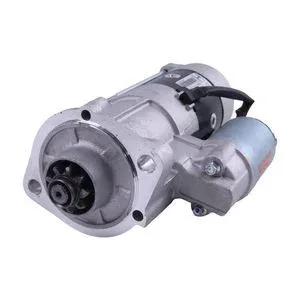
Engine Serial Variants Verified — cross-reference checks confirm 21163-7025 compatibility across Kawasaki FX801V and FX850V engine serial ranges before dispatch
Technical Specifications
| Parameter |
Value |
| Part Number |
21163-7025 |
| Product Type |
Starter Motor |
| Cross-Reference (reference only) |
21163-7021, 211637025, 211637021, 99996-6121, 999966121, 21163-0757, 211630757 |
| Machine Fitment |
John Deere Z830A, Z850A, Z860A, Z910A, Z925A, Z930A/R/M, Z950A/R/M, Z960A/R/M, Z970A/R, Toro Z Master G3, New Holland G5030, G5035 |
| Condition |
New Aftermarket |
| Warranty |
3–12 months against manufacturing defects |
| Insulation Class |
Class H (rated to 180°C) |
| Solenoid Engagement Voltage |
9.5V minimum |
| Gear Tooth Hardness |
58–62 HRC |
| Gear Runout |
±0.02mm |
| Surface Treatment |
Electroplated zinc-nickel coating, 8μm thickness |
| Salt Spray Test |
500-hour neutral salt spray per ASTM B117 |
| Standards |
ISO 9001, ISO 5801, SAE J1171, ASTM B117 |
Application Suitability
| Engine System |
Related Components |
| Cranking and Electrical System |
Battery cables, solenoid relay, flywheel ring gear |
| Engine Overhaul Package |
Gasket sets, bearing shells, piston rings, valve stem seals |
| Fuel Delivery Adjacent |
Fuel filter, carburetor rebuild kit, fuel pump diaphragm |
| Auxiliary Refresh |
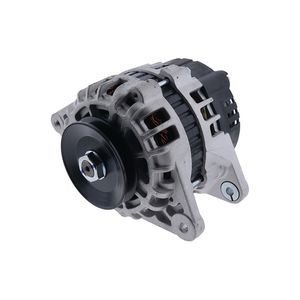
Alternator, voltage regulator, ignition coils |
Why a Starter Motor 21163-7025 Fails Weeks After an Engine Rebuild
The replacement part matched the catalog but not the engine serial variant — or the root cause was never addressed.
An engine overhaul ships back to the field with a fresh starter motor installed. Within weeks the machine returns to the bench with the same no-crank complaint. In my experience supporting rebuild shops across Latin American mining and municipal fleets, the failure rarely traces back to the starter itself. The engine serial variant may dictate a different gear tooth profile, or the flywheel ring gear has damaged teeth that chew up the new pinion within the first hundred engagements. Diagnosing a Starter Motor engine rebuild replacement without confirming the full cranking circuit and adjacent system state leads directly to repeat teardowns. [NEED_CITE: SAE J1171 starter motor endurance testing criteria for small engines]

The Cranking Circuit as Part of the Engine Auxiliary System
The starter motor sits at the entry point of the engine auxiliary system. Before any combustion event occurs, the solenoid must engage cleanly and the pinion gear must mesh with the flywheel ring gear at correct depth and alignment. When planning an engine rebuild, treating the Starter Motor engine rebuild replacement as an isolated swap rather than a system-level check introduces a predictable callback. Weak battery voltage, corroded ground straps, or a failing solenoid relay all impose abnormal loads on the starter that accelerate brush and commutator wear.
Engine Serial Variants and Dimensional Matching
Within the same Kawasaki FX801V or FX850V engine family, internal revisions across production runs can change the flywheel ring gear tooth count, the mounting bolt pattern, or the pinion gear offset. I have seen rebuild shops order by machine model alone and receive a starter that physically bolts on but fails to engage the ring gear properly. Verifying the engine serial number against the cross-reference list — 21163-7021 and 21163-0757 carry different build applications — prevents this mis-fitment. When an engine has been through a prior rebuild, the flywheel may already show wear patterns that demand a fresh ring gear alongside the new starter. [NEED_CITE: engine serial variant identification procedures for aftermarket parts matching]
What the Specifications Mean in the Field
The Class H insulation rating at 180°C matters because starter motors in commercial mowing and grounds equipment operate in high-ambient-temperature engine bays, often after sustained high-RPM operation. A lower insulation class would degrade under repeated heat soak cycles. The 9.5V minimum solenoid engagement voltage ensures reliable cranking even when battery state of charge has dropped during storage between shifts — a common condition in rental fleet operations. Gear tooth hardness between 58–62 HRC provides sufficient surface durability to withstand repeated engagement impacts against the ring gear without chipping, while the ±0.02mm gear runout tolerance keeps mesh contact uniform across all teeth to prevent localized wear. The zinc-nickel electroplated coating at 8μm thickness, validated through 500-hour neutral salt spray testing per ASTM B117, protects the housing and mounting flange from corrosion in humid or salt-air environments typical of coastal municipal depots and port logistics yards.
The Cost of Skipping System-Level Diagnosis
Replacing the starter without inspecting the flywheel ring gear, battery cables, and solenoid relay often produces a brief resolution. The new unit absorbs the same abnormal loads that destroyed its predecessor. For a rental fleet or commercial landscaping contractor, each return visit to the bench means lost revenue days and a second teardown cost. In mining support equipment, an unexpected no-crank event during a shift change can idle an entire crew. Addressing the root fault — whether that is voltage drop across a corroded connector or ring gear tooth spalling — converts a repeat failure into a one-time repair. [NEED_CITE: root cause analysis methodology for repeated starter motor failures in small engine applications]
Sourcing Confidence for Engine Rebuild Shops
Our own production lines and qualified sourced supply operate under a single warranty and quality standard, so whether the starter comes from our facility or a partner plant, inspection criteria remain identical. Eight product categories under one account mean overhaul gasket sets, bearing shells, and this Starter Motor engine rebuild replacement consolidate into a single shipment. Orders start from one piece, supporting emergency single-unit rebuilds without minimum-quantity barriers. Cross-reference verification covers superseded and alternate numbers such as 99996-6121 and 21163-0757, catching application differences that generic interchange tables miss. Sample supply allows fitment confirmation against your specific engine serial variant before you commit to bulk stock. Our technical team confirms compatibility and grade based on engine serial, rebuild history, and operating conditions.
Documentation & Verification
- Commercial invoice and packing list referencing starter motor part number and quantity
- Part compatibility sheet listing verified cross-reference numbers marked as reference only
- Bench test records confirming solenoid engagement and cranking performance at rated voltage
- Warranty terms document specifying coverage period against manufacturing defects
- Packing photographs showing anti-static foam protection and reinforced carton condition
- HS code classification and customs documentation support for international shipments
Installation & Rebuild Sequence
- Clean flywheel ring gear teeth and inspect for spalling or chipped segments before installing the new starter motor
- Verify mounting bolt torque to specification and confirm pinion-to-ring-gear clearance with a feeler gauge
- Check battery cable terminals and ground strap connections for corrosion that would cause voltage drop below 9.5V at the solenoid
- Perform first-crank test with a known-good battery to validate engagement timing and cranking speed before closing the engine bay
- Log starter serial and engine serial together in the rebuild record for future warranty or cross-reference inquiries
Request a Matched Quotation
Provide your engine model, serial number, and any known rebuild history so we can confirm the correct starter variant and recommend adjacent auxiliary components for the same consignment. If the nameplate is worn or painted over, send a photograph of the mounting flange and connector — our team can work from that.
Frequently Asked Questions
Q: What other engine auxiliary components should I inspect when replacing this starter motor?
A: Check the flywheel ring gear for tooth damage, test battery cables for voltage drop under cranking load, and verify the solenoid relay function. Corroded connectors and weak batteries impose abnormal loads that shorten starter life. Addressing these during the same service event prevents a rapid return to the bench.
Q: How do I confirm which starter variant matches my engine serial number?
A: Provide the full engine serial number and we cross-reference it against our verified application database. Numbers like 21163-7025 and 21163-0757 serve different engine builds. If the nameplate is unreadable, a photograph of the mounting pattern and connector type allows us to narrow the match.
Q: What system-level faults cause repeated starter motor failure?
A: Common root causes include flywheel ring gear damage, excessive voltage drop in the cranking circuit, and abnormal engine compression from a separate mechanical fault. Each of these forces the starter to work beyond its design load. Identifying the source prevents replacing the symptom rather than the cause.
Q: Can I include this starter in a full engine overhaul parts package?
A: Yes. We consolidate starter motors with gasket sets, bearing shells, piston rings, and seals into a single shipment under one warranty. This eliminates split deliveries and ensures all rebuild components arrive matched to the same engine serial variant and dimensional grade.
Q: How do I identify the correct engine model when the nameplate is worn?
A: Send a photograph of the engine block casting numbers, the mounting flange pattern, and any visible serial stamps. Our technical team cross-references these against application records to confirm the correct starter variant without requiring a legible nameplate.