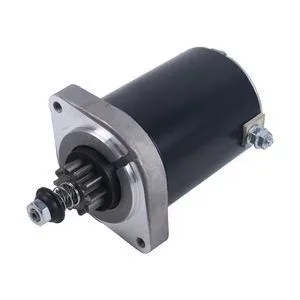
Matched Sets Ready — 12V starter motor ships alongside overhaul gaskets and ring gear verified for K-series fitment.
Technical Specifications
| Parameter |
Value |
| Part Number |
23300-FU410 |
| Product Type |
Starter Motor |
| Cross-Reference |
23300-FU410, 23300FU410, 23300-GS20A, 23300GS20A, M000T65381, M0T65381, M0T65581, 114479, 91H2003330, 91H20-03330, 18973N (reference only) |
| Machine Fitment |
Nissan K15, Nissan K21, Nissan K25 engines |
| Voltage |
12V |
| Power Output |
1kW |
| Rotation Direction |
CW (Clockwise) |
| Drive Gear Teeth |
9T |
| Condition |
New Aftermarket |
| Warranty |
3–12 months against manufacturing defects |
Application Suitability
| Engine System |
Related Components |
| Starting Circuit |
Flywheel ring gear, battery cables, starter relay |
| Engine Overhaul |
Overhaul gasket kit, crankshaft bearings, piston rings |
| Electrical System |
Alternator, ignition switch, wiring harness |
Why the Same Starter Fails Twice in One Month
The real fault often sits in the starting circuit, not inside the motor housing.
I spent years in Shandong workshops processing warranty claims where a replaced 12V Starter Motor engine rebuild replacement for Nissan K15 K21 K25 failed again within weeks. The pattern was always the same: the mechanic swapped the motor, the machine ran fine for a short period, then cranking problems returned. In most cases, the root cause was a degraded relay contact, a damaged flywheel ring gear, or undersized battery cables creating excessive voltage drop [NEED_CITE: starting system voltage drop diagnostic procedures for industrial engines]. Addressing the motor alone treats the symptom, not the underlying electrical or mechanical fault that destroyed the first unit.

The Starting System as a Complete Circuit
This 12V Starter Motor engine rebuild replacement for Nissan K15 K21 K25 operates within a larger electrical loop. The battery delivers current through heavy-gauge cables to the solenoid, which engages the 9-tooth drive gear with the flywheel ring gear while simultaneously closing the high-current circuit to spin the motor. A weak connection anywhere in that path forces the starter to draw excessive amperage to produce the same cranking torque, generating heat that degrades internal windings over time.
Overhaul Scope and Adjacent Component Replacement
During a complete engine rebuild, the starting system should be evaluated alongside internal components. If the flywheel ring gear shows chipped or worn teeth, a new starter motor will experience accelerated pinion gear wear and eventual engagement failure. Relay contacts that have arced repeatedly create resistance, reducing effective voltage at the starter terminal. Confirming these related items prevents the situation where a fresh motor is blamed for a failure it did not cause [NEED_CITE: engine rebuild starting system inspection checklist].
Voltage, Tooth Count, and Rotation Explained
The 12V rating matches the electrical architecture of Nissan K15, K21, and K25 powered equipment; using a 24V unit would destroy internal components instantly, while a lower output motor cannot achieve sufficient cranking speed for cold diesel starts. The 1kW power output provides adequate torque to overcome engine compression across the K-series displacement range. The 9-tooth drive gear must match the flywheel ring gear pitch precisely; a mismatched tooth count will not engage at all. Clockwise rotation aligns with the flywheel orientation and engine timing — an incorrect rotation direction causes the Bendix drive to disengage rather than crank.
The Cost of Missing the Root Cause
When the underlying fault in the starting circuit goes undiagnosed, a replacement motor absorbs the same abnormal load that destroyed its predecessor. This creates a cycle of repeat failures, each requiring additional teardown labor and machine downtime. Fleet operators running multiple Nissan K-series machines find that systematic starting circuit inspection during scheduled overhauls eliminates these recurring failures [NEED_CITE: mobile equipment electrical system failure analysis].
Supply and Verification Approach
Production lines and qualified sourced supply operate under identical QC and warranty terms, so starter motors carry the same coverage regardless of manufacturing origin. Eight product categories allow a complete engine overhaul list — gasket kits, bearing sets, filters, and this starter — to ship under one account. Orders begin at one piece for emergency replacements. Cross-reference verification covers superseded and alternate numbers listed above. Part identification is supported through number, machine model, photograph, or nameplate image when original markings are illegible. Technical confirmation of voltage, tooth count, and rotation is available before commitment.
Documentation & Verification
- Commercial invoice listing part number 23300-FU410 with engine model cross-reference
- Compatibility sheet noting 23300-GS20A and other alternate numbers as interchange reference
- Load testing and thermal cycling inspection records before dispatch
- Warranty terms covering manufacturing defects for 3–12 months
- Packing photographs confirming unit condition at time of shipment
- HS code documentation for customs clearance support
Installation & Rebuild Sequence
- Inspect flywheel ring gear tooth condition before mounting the new 9T drive gear
- Clean mating surface and verify terminal stud orientation matches harness routing
- Torque mounting bolts to specification, checking for housing crack risk
- Test cranking voltage at starter terminal to confirm circuit integrity
- Run initial start cycle and verify clean disengagement after engine fires
Inquiry Guidance
Provide the exact engine model designation and serial number to confirm compatibility across K15, K21, and K25 variants. Share any prior rebuild history or starting system modifications to ensure correct specification. Photographs of the original nameplate or existing unit assist in cross-reference verification when part numbers are worn.
Frequently Asked Questions
Q: What other starting system components should be inspected or replaced when installing a new starter motor?
A: The flywheel ring gear teeth, battery cable terminals, starter relay contacts, and ignition switch should all be evaluated. Worn ring gear teeth destroy new drive gears quickly, while corroded cable connections cause voltage drop that overheats the motor. Addressing the full circuit prevents repeat failures within the first weeks of service.
Q: How do engine serial variants within the K15/K21/K25 range affect starter motor compatibility?
A: Production changes across serial ranges may alter mounting patterns, terminal positions, or flywheel tooth counts. Confirming the exact engine serial number ensures the correct variant is selected. Cross-referencing the original part number against all listed alternates helps identify superseded specifications that differ from earlier builds.
Q: What is the correct procedure to diagnose whether the starter or another system component is the actual failure point?
A: Measure voltage at the starter terminal during cranking to identify circuit resistance. Check relay contact condition and battery load capacity independently. A motor that tests correctly on a bench but fails installed usually indicates an external fault in the wiring or flywheel engagement path rather than an internal motor defect.
Q: Can a complete engine overhaul gasket kit and starter motor ship together in one consignment?
A: Yes. Engine gasket sets, bearing shells, piston rings, filters, and the starter motor can be consolidated into a single shipment under one order. This eliminates split deliveries and ensures all overhaul components arrive simultaneously, so the rebuild proceeds without waiting for a missing item from a separate supplier.
Q: How do I confirm my engine model if the nameplate is worn or unreadable?
A: Provide photographs of the engine block casting numbers, the existing starter motor label, and any visible serial stampings on the block. These identifiers, combined with the machine model and application context, allow technical cross-referencing to determine the correct K-series variant and corresponding starter specification.