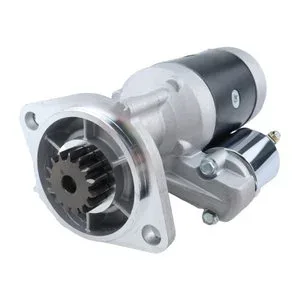
Engine Series Variant Checked — Yanmar 3TNV88F and 4TNV86CT starter configurations verified against engine serial range before dispatch to prevent bench engagement failure.
Technical Specifications
| Parameter |
Value |
| Part Number |
AT318141 |
| Product Type |
Starter Motor |
| Voltage |
12 Volts |
| Teeth/Splines |
15 Teeth/Splines |
| Condition |
New Aftermarket |
| Warranty |
3-12 months against manufacturing defects |
| Cross-Reference |
JOHN DEERE: AT318141 (reference only), LESTER: 19709 (reference only), ARROWHEAD: SHI0112 (reference only) |
| Machine Fitment |
John Deere 30G, 35D, 35G, 50D, 50G Excavators; 312GR, 314G Skid Steers; 184G, 204G, 304G Loaders; Yanmar 3TNV88F, 4TNV86CT, 4TNV88C Engines |
Application Suitability
| Engine System |
Related Components |
| Starting System |
Solenoid relay, battery cables, flywheel ring gear |
| Charging System |
Alternator, voltage regulator, drive belt |
| Engine Electrical |
Wiring harness, ignition switch, fuses |
| Engine Auxiliary |
Engine mounts, vibration dampers, heat shields |
Why the Same Starter Motor Part Number Ships in Multiple Variants
Confirming the engine serial number prevents a starter motor that physically bolts on but fails to engage the ring gear.
I have seen rebuild shops receive a starter that looked correct, bolted up cleanly, and then spun freely without catching the flywheel. The tooth count matched, the voltage matched, but the pinion extension depth was wrong for that specific engine build [NEED_CITE: starter motor variant differences within Yanmar TNV engine series]. When an engine rebuild replacement starter arrives wrong, the engine sits on the bench while the correct unit ships, adding days to a job that was already behind schedule.

Starting System Position in the Rebuild Sequence
The starter motor sits at the end of the electrical auxiliary system but gets installed early in reassembly because access is limited once the engine drops back into the machine. During a Yanmar 3TNV88F or 4TNV86CT rebuild, this starter motor engine rebuild replacement unit goes in alongside fresh engine mounts and before the exhaust manifold, so getting the correct variant confirmed before teardown completion keeps the sequence unbroken.
Engine Serial Variants and Pinion Engagement
Yanmar TNV engines share base architecture across the 3TNV88F, 4TNV86CT, 4TNV86CHT, and 4TNV88C, but the flywheel housing depth and ring gear position shift between production runs [NEED_CITE: Yanmar TNV engine serial break points for starter compatibility]. A 15-tooth pinion is standard across these variants, yet the throw distance and nose cone profile differ. We verify the engine serial against our cross-reference database covering superseded numbers like LESTER 32308 and ARROWHEAD SHI0201 before releasing the unit.
Specification Interpretation for System Compatibility
The 12-volt rating aligns with the standard electrical architecture across John Deere compact excavators and Yanmar industrial engines in this displacement range. The 15-tooth spline count is precision-machined to match the flywheel ring gear tooth pitch, ensuring smooth engagement without partial mesh that strips teeth over repeated start cycles. The new aftermarket condition means all internal bearings, brushes, and the solenoid plunger are fresh, eliminating the variable wear that makes rebuilt units unpredictable in a system-level overhaul.
The Hidden Cost of Skipping Root Cause Diagnosis
Replacing the starter without inspecting the flywheel ring gear, battery condition, and solenoid wiring invites repeat failure within weeks [NEED_CITE: electrical system diagnostic procedures for diesel engine starting faults]. A worn ring gear tooth face causes the pinion to bounce off instead of meshing, sending shock loads back through the starter drive that destroy the new unit. Shops that skip the system check end up warranting their own work and absorbing the labor twice.
Why Source This Starter Motor Through Our Engine System Desk
Our production and sourcing lines operate under one warranty account, so the starter and any associated solenoid or harness components carry the same coverage terms. Cross-reference verification covers superseded and alternate numbers across LESTER, Arrowhead, and Dixie catalogs to confirm the correct variant before shipment. We supply from one piece minimum, so a single starter for fitment confirmation ships without a bulk commitment. The technical team checks engine serial against our variant matrix rather than shipping on machine model alone. Guangzhou warehouse stock on common Yanmar configurations allows fast dispatch when the engine is already on the stand.
Documentation & Verification
- Commercial invoice listing AT318141 with engine serial confirmation noted
- Cross-reference sheet mapping LESTER 19709 and ARROWHEAD SHI0112 as reference only
- Dimensional inspection record covering pinion extension and flange bolt pattern
- Warranty terms stating coverage period against manufacturing defects
- Packing photographs showing unit condition before crate closure
- HS code and customs documentation support for international engine parts shipment
Installation & Rebuild Sequence
- Verify flywheel ring gear tooth condition before installing the 15-tooth starter motor
- Clean mating flange surface to ensure solid ground path for the 12V circuit
- Torque mounting bolts to engine specification to prevent housing distortion
- Check battery voltage and cable integrity before first engagement test
- Confirm pinion retracts fully after cranking to avoid ring gear contact at idle
- Log first start cycle notes for warranty record if any abnormal noise occurs
Confirming Your Starter Variant Before Quoting
Provide the engine model, full serial number, and any previous rebuild documentation so we can verify the correct pinion extension and nose cone profile. If the nameplate is illegible, a photograph of the old unit's flange and pinion allows cross-reference confirmation against our variant matrix.
Frequently Asked Questions
Q: What other components should I inspect when replacing the starter motor?
A: Check the flywheel ring gear for chipped or worn teeth, test battery load capacity, and inspect the solenoid wiring for corrosion or voltage drop. A system-level check prevents the new starter from absorbing damage caused by adjacent component failure, which is the most common reason for repeat starter motor engine rebuild replacement within the first month.
Q: How do I confirm the correct starter variant for my Yanmar engine serial number?
A: Provide the full engine serial from the block nameplate, not just the model designation. We cross-reference against variant break points in the 3TNV88F and 4TNV86CT series to confirm pinion throw depth and flange profile match your specific build, preventing engagement failure on the bench.
Q: Can you supply the solenoid and wiring harness together with the starter?
A: Yes, we consolidate the starter motor with matched solenoid relays, battery cables, and connector pigtails in one consignment. This keeps the entire starting system under one warranty account and one dispatch, so the rebuild shop receives everything needed before the engine goes back into the machine.
Q: What causes repeat starter failure after replacement?
A: The most common causes are a worn flywheel ring gear that prevents full pinion mesh, undersized battery cables causing voltage drop during cranking, and a faulty ignition switch that keeps the solenoid partially engaged. Diagnosing these system faults during the starter motor engine rebuild replacement prevents warranty claims and repeat labor.
Q: How do I verify the cross-reference number matches my machine?
A: Send us the number from your old unit along with the machine model and engine serial. We verify against our cross-reference database covering LESTER, Arrowhead, and other interchange catalogs marked as reference only, then confirm the physical dimensions match before shipping the replacement.