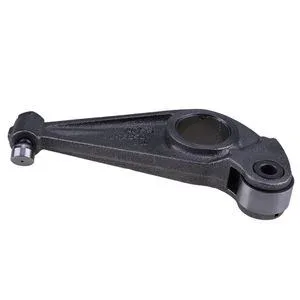
Matched Tolerances Verified — Rocker Lever 4059353 cross-reference verified against Cummins X15 and ISX engine serial variants to ensure valve train dimensional alignment during rebuilds.
Technical Specifications
| Parameter |
Value |
| Part Number |
4059353 |
| Product Type |
Rocker Arm |
| Cross-Reference |
4059353 (reference only) |
| Engine Fitment |
Cummins X15, ISX |
| Condition |
New Aftermarket |
| Material |
High-strength alloy steel |
| Surface Treatment |
Corrosion-resistant coating |
| Warranty |
3-12 months against manufacturing defects |
| Minimum Order |
1 piece |
Application Suitability
| Engine System |
Related Components |
| Valve Train Actuation |
Camshaft lobes, push rods, valve crossheads |
| Cylinder Head Assembly |
Valve stems, keeper locks, rotocoils |
| Lubrication Feed Path |
Rocker shaft oil galleries, restrictor fittings |
| Top-End Overhaul |
Injector hold-downs, overhead gasket sets |
Why Valve Train Comebacks Happen After a Rebuild
A replaced rocker arm that fails prematurely rarely points to the lever itself — it signals an undiagnosed system fault. When I transitioned from warehouse part number verification to technical support on Middle East desert sites, the pattern was consistent: shops would swap the lever and ignore the worn cam lobe driving it, or the starved oil gallery feeding it. [NEED_CITE: diesel engine valve train lubrication failure analysis] The result is a machine back in the bay within weeks, costing the fleet owner another round of teardown labor.
Matching the replacement lever to the exact engine serial variant is the first step, but verifying the health of the entire actuation chain prevents the second failure. System-level diagnosis before parts ordering eliminates the most expensive form of downtime — the repeat visit.

The Actuation Chain: Where the Lever Sits
The rocker lever transfers motion from the camshaft, through the push rod, down to the valve stem. In Cummins X15 and ISX families, the geometry at each interface must stay within tight tolerances for the valve to seat correctly and the injector to time properly. A worn contact surface on the lever alters valve lash, which then accelerates wear on the crosshead and keeper. Replacing the lever without inspecting the push rod ball seat and the valve stem tip leaves mismatched wear patterns in place, and the new part inherits the damage the old system already caused.
Serial Variants and Dimensional Grades
Within the X15 and ISX engine families, production runs introduced changes to rocker shaft diameter, lever ratio, and oil feed hole positioning. A lever from an early ISX build may physically mount on a later X15 head but deliver incorrect valve lift. [NEED_CITE: Cummins X15 ISX engine serial range valve train variant differences] Engine serial number verification before ordering ensures the lever matches the head casting and cam profile it will operate against. This is where cross-reference tables copied between sellers carry forward errors — one digit shift in the serial range changes the required lever geometry entirely.
Reading the Specs That Matter for Rebuild Outcomes
High-strength alloy steel in the lever body resists the bending loads transmitted from the cam lobe through thousands of cycles per minute. The corrosion-resistant coating protects the lever bore and contact pad during storage and in engines that sit idle between seasonal deployments. Surface hardness at the push rod cup and valve pad determines how long the lever resists pitting before lash drifts out of spec. Tolerance on the shaft bore ID controls oil film thickness — too loose and the lever chatters on the shaft; too tight and oil starvation causes galling within the first hundred hours. These parameters define whether the lever survives one overhaul interval or triggers a warranty claim halfway through.
The Cost of Skipping Root-Cause Diagnosis
When a rocker lever wears prematurely, the temptation is to pull the head, swap the lever, and send the machine back out. If the underlying cause — a blocked oil feed, a lobe that has lost its profile, or a push rod that has bent slightly under load — goes unaddressed, the new lever fails on the same schedule as the old one. [NEED_CITE: heavy-duty diesel engine repeat valve train failure root cause] For a rebuild shop quoting a fleet contract, that comeback erases the margin on the entire job and damages the relationship with the operator who trusted the repair.
Why Rebuild Shops Source This Lever Here
Production and qualified sourced supply carry identical QC and warranty terms under one account, so the lever ships with the same documentation whether it came from our own line or a certified partner. Eight categories of engine and machine parts consolidate under a single order — the rocker lever travels in the same consignment as the overhaul gasket set, the piston rings, and the seal kits. Minimum order is one piece, so a shop replacing a single failed lever on an emergency teardown is not blocked by volume thresholds. Guangzhou warehouse stock covers common X15 and ISX items for fast dispatch. Part identification works from a part number, a machine model, a photograph of the worn lever, or a nameplate image — whichever identifier survives on the shop floor. Technical staff confirm variant compatibility and dimensional grade before the order ships, not after the box arrives and the lever does not fit.
Documentation & Verification
- Commercial invoice listing engine serial range and lever variant matched
- Compatibility sheet with cross-reference numbers marked reference only
- Dimensional inspection record covering shaft bore ID and contact pad hardness
- Warranty terms specifying coverage period against manufacturing defects
- Packing photographs showing lever coating condition before crate closure
- HS code and customs paperwork supporting international clearance
Installation & Rebuild Sequence
- Clean rocker shaft and oil gallery passages thoroughly before lever installation to prevent debris-induced galling on the new bore surface
- Verify rocker shaft orientation so the oil feed hole aligns with the lever bore port for continuous lubrication during operation
- Set valve lash to engine manual specification with the piston at top dead center on compression stroke, rechecking after initial run-in
- Inspect push rod ball ends and valve stem tips for matching wear before mating them to the new lever contact surfaces
- Run the engine at low idle for the first cycle, monitoring rocker shaft oil flow visually before loading the engine
Before You Order: What We Need From You
Send the engine model designation, the full engine serial number, and any records of previous top-end work. If the serial plate is unreadable, a clear photograph of the existing lever alongside a ruler helps confirm the variant. Previous rebuild history — especially whether oversize components were fitted — changes the dimensional grade required. With these details, the correct lever variant and any matched companion components lock in before the order ships.
Frequently Asked Questions
Q: What other valve train components should be inspected when replacing this rocker lever?
A: Push rod ball seats, valve stem tips, rocker shaft journals, and cam lobe profiles all interact with the lever during every cycle. Wear on any of these surfaces transfers directly to the new lever and accelerates its failure. Inspecting the full actuation chain during a top-end teardown prevents a second disassembly within the same overhaul interval.
Q: How do engine serial variants within X15 and ISX affect rocker lever compatibility?
A: Production changes across serial ranges altered shaft diameter, lever ratio, and oil feed positioning. A lever that physically mounts may still deliver incorrect valve lift or starve for oil. Engine serial verification before ordering ensures the replacement matches the head casting geometry it must operate against.
Q: What system-level faults cause premature rocker lever wear?
A: Blocked oil feed restrictors, worn cam lobe profiles, bent push rods, and incorrect valve lash settings all place abnormal loads on the lever surface. Replacing the lever without diagnosing which fault caused the original wear results in identical failure on the same timeline.
Q: How do I confirm the correct rocker lever variant if the nameplate is gone?
A: A photograph of the existing lever showing bore diameter, oil hole position, and overall length allows technical staff to match it against known X15 and ISX variants. Machine model alone is insufficient — serial range and previous rebuild modifications determine the correct part.