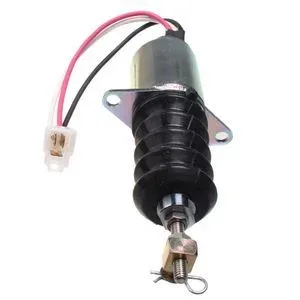
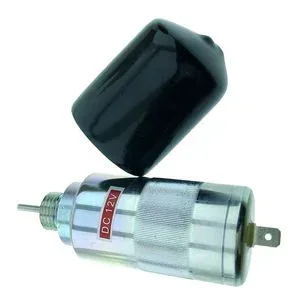
Matched-Set Supply — solenoid ships with verified cross-references and adjacent fuel-system seals so the entire shutdown circuit is addressed in one overhaul consignment.
Technical Specifications
| Parameter |
Value |
| Part Number |
AM882277 |
| Product Type |
Stop Solenoid |
| Cross-Reference |
AM876416 (reference only), P610-C5V12 (reference only), P610C5V12 (reference only) |
| Machine Fitment |
670, 770, 870, 970, 1070 Compact Utility Tractor |
| Brand Compatibility |
Compatible with John Deere |
| Voltage |
12V |
| Condition |
New Aftermarket |
| Warranty |
3-12 months against manufacturing defects |
| Manufacturing Standard |
ISO-certified manufacturing |
Application Suitability
| Engine System |
Related Components |
| Electrical Shutdown Circuit |
Wiring harness connectors, shutdown relay, fuse links |
| Fuel Delivery System |
Fuel filters, injector return line seals, lift pump diaphragms |
| Engine Overhaul |
Cylinder head gasket sets, fuel rail O-rings, throttle linkage |
| Preventive Maintenance |
Scheduled fuel filter replacement, relay integrity testing |
When a New Solenoid Fails Before the Old One Did
A replacement Fuel ShutOff Solenoid engine replacement often fails because the root cause lives elsewhere in the shutdown circuit.
In the field, I have watched workshops swap out stop solenoids on compact tractors only to have the machine stall again within a week. The wiring connector shows corrosion that increases resistance past the coil's tolerance. The relay contacts are pitted from years of high-current switching, sending intermittent voltage to the new unit. Until those adjacent faults are cleared, every Fuel ShutOff Solenoid engine replacement installed is simply the next component to absorb the abuse [NEED_CITE: electrical shutdown circuit diagnostic procedures for diesel engines].

The Shutdown Circuit Is a System, Not a Single Part
This solenoid sits at the end of an electrical chain that begins at the ignition switch and passes through a relay before reaching the coil. When the engine control demands shutdown, 12V current energizes the coil, pulling the plunger and cutting fuel flow. A Fuel ShutOff Solenoid engine replacement restores that final mechanical action, but the relay, wiring, and connector must deliver clean voltage for the coil to perform its engagement cycle reliably.
Matching the Correct Variant to the Engine Serial Build
The same base solenoid design appears across multiple compact tractor generations, with superseded part numbers reflecting internal revisions to coil winding, plunger stroke, or connector configuration. Cross-reference verification ensures the unit supplied matches the specific engine serial range on your machine rather than simply matching the number printed on a worn label. Sending the engine serial number alongside your inquiry allows confirmation before the part ships [NEED_CITE: part number supersession tracking for agricultural equipment engines].
Reading the Specifications That Matter
The 12V coil specification defines the operating voltage window and the current draw required for full plunger engagement. Undervoltage from a degraded relay produces weak actuation that allows the plunger to chatter, generating heat inside the coil winding and shortening service life. The ISO-certified manufacturing standard ensures consistent coil resistance and plunger stroke within tolerance bands that match the fuel pump's shutoff lever geometry. The new aftermarket condition means no residual magnetism or spring fatigue from prior service cycles [NEED_CITE: solenoid coil thermal degradation under voltage fluctuation].
The Cost of Replacing the Part Without Diagnosing the System
Installing a correct solenoid into a circuit with corroded connectors or a failing relay produces repeat failures that are blamed on the part itself. Each removal and reinstallation disturbs fuel line seals and risks introducing contamination into the injection pump inlet. The machine accumulates unplanned downtime while the workshop chases the same symptom, replacing solenoids until someone finally traces the wiring back to the relay [NEED_CITE: repeat electrical component failure due to upstream circuit faults].
Why Source the Solenoid Here
Self-produced and sourced lines carry the same QC protocol and warranty terms, so you do not sort inventory by origin. Eight product categories allow the solenoid, fuel filters, gasket sets, and wiring connectors to ship under one account and one consignment. Minimum order starts at one piece for emergency repairs, and cross-reference verification covers superseded numbers so the correct variant ships for your engine serial build. A sample unit is available for fitment confirmation before you commit to a bulk order for fleet maintenance stocking.
Documentation & Verification
- Commercial invoice lists solenoid part number, cross-reference numbers marked reference only, and engine serial confirmation
- Packing list itemizes matched fuel-system seals and overhaul gaskets shipped alongside
- Quality inspection record documents coil resistance measurement and plunger stroke verification
- Warranty terms cover manufacturing defects for the stated period from dispatch date
- Dimensional check on connector type and mounting pattern against engine serial variant before dispatch
- HS code and customs documentation support included for international shipment
Installation & Rebuild Sequence
- Disconnect battery negative before removing old solenoid to prevent short-circuit damage to the new coil winding
- Clean the fuel pump mounting face where the solenoid flange seats to ensure correct plunger alignment with the shutoff lever
- Verify relay contact condition and connector pin corrosion before energizing the replacement unit for the first time
- Torque mounting fasteners to the specified value to avoid flange distortion that binds the plunger stroke
- Run the engine through multiple shutdown cycles to confirm clean plunger engagement and retraction
Request a System-Matched Quote
Provide your engine model and serial number so we can verify the correct solenoid variant against superseded cross-reference listings. Include the failure history of the original unit and any diagnostic work already performed on the relay and wiring harness. If you are planning a complete fuel-system overhaul, list the adjacent components you need so the entire matched set ships in one consignment.
Frequently Asked Questions
Q: What other fuel system components should be replaced alongside the stop solenoid during an overhaul?
A: The shutdown relay, wiring connector, fuel filter element, and fuel pump inlet seal should be evaluated during every solenoid replacement. Pitted relay contacts and corroded connectors are frequent root causes of repeat solenoid failure. Replacing these adjacent items in the same consignment eliminates the most common upstream faults and ensures the new solenoid operates within its designed electrical parameters.
Q: How do engine serial variants affect solenoid selection across the compact tractor range?
A: Internal revisions to coil winding resistance, plunger stroke length, and connector pin configuration occur across engine serial ranges within the same tractor model family. A part number that fits early-production engines may not engage the shutoff lever correctly on later builds. Providing the engine serial number allows cross-reference verification against superseded listings to confirm the exact variant required.
Q: What causes repeat solenoid failure beyond the part itself?
A: Voltage drops from corroded wiring connectors, intermittent relay contact, and excessive current draw from a binding fuel pump shutoff lever all overload the solenoid coil thermally. Each of these faults exists upstream or adjacent to the solenoid and will destroy a replacement unit on the same timeline. Tracing the full shutdown circuit resolves the root cause rather than repeating the symptom.
Q: Can overhaul gasket kits and fuel system seals ship in the same consignment as the solenoid?
A: Engine overhaul gasket sets, fuel rail O-rings, injector return line seals, and fuel filter elements all consolidate into a single shipment alongside the solenoid. This eliminates split freight charges and ensures every component required for the fuel-system repair arrives at the workshop simultaneously. One consignment, one tracking number, one point of accountability for the entire job.
Q: How is cross-reference verification performed for superseded part numbers?
A: Each superseded number is traced through revision records to identify changes in coil specification, connector type, and plunger geometry. The verified cross-reference sheet provided with your order documents which numbers are interchangeable for your specific engine serial build and which require a distinct variant. This prevents the common error of fitting a mechanically similar but electrically incompatible unit.