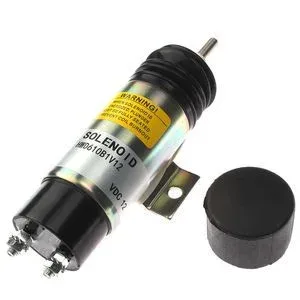
Matched System Components — Every SA-4026-12 stop solenoid is verified against engine serial ranges and shipped alongside matched fuel circuit seals to prevent secondary leaks during Cummins 5.9L and 8.3L rebuilds.
Technical Specifications
| Parameter |
Value |
| Part Number |
SA-4026-12 3931195 |
| Product Type |
Stop Solenoid |
| Cross-Reference |
SA-4026-12, SA402612, SA-4124-12, SA412412, 1752ES-12A7UC3B1S5, 1752ES12A7UC3B1S5, 3931195 (reference only) |
| Machine Fitment |
5.9L Engines, 8.3L Engines, F700, F800 |
| Brand Compatibility |
Fits Cummins, Ford applications |
| Voltage |
12V |
| Condition |
New Aftermarket |
| Warranty |
3-12 months |
| Standards |
ISO 9001, SAE J1939 |
Application Suitability
| Engine System |
Related Components |
| Fuel Shut-off Circuit |
Fuel system gaskets, return line seals, wiring harness connectors |
| Injection System Auxiliary |
Injection pump mounting hardware, fuel feed line O-rings |
| Engine Shutdown Control |
Relay assemblies, ignition switch contacts, coil wiring terminals |
| Cold Start Fuel Management |
Glow plug circuit components, intake heater gaskets |
Why a Fuel Shut off Solenoid Engine Rebuild Fails After Installation
A replacement solenoid rarely fails on its own; the surrounding fuel circuit and electrical harness usually carry the root cause.
When a 5.9L or 8.3L platform enters the bay for a shutdown fault, the temptation is to swap the solenoid and release the machine. In practice, repeat burnouts within weeks trace back to relay contacts that have degraded or wiring terminals that have corroded, sending intermittent voltage spikes into the new 12V coil [NEED_CITE: common electrical root causes of solenoid coil burnout in diesel auxiliary systems]. Shops that address only the failed part without tracing the circuit accumulate comebacks that erode customer confidence. A Fuel Shut off Solenoid engine rebuild must include verification of the relay, connector integrity, and the condition of the fuel return path to prevent the new unit from absorbing the same fault the old one did.

The Solenoid Within the Fuel Auxiliary Circuit
The stop solenoid sits at the terminal point of the fuel delivery command chain. When the ignition cuts power, the 12V coil de-energizes and the plunger closes the fuel passage, starving the injection system. On Cummins 5.9L and 8.3L platforms, this solenoid interfaces directl*ls that harden over heat cycles. Replacing the unit without inspecting the pump-side gasket surface and the fuel return line connection leaves a secondary leak path that can draw air into the system during cranking, causing hard starts that get misdiagnosed as injection timing faults.
Wiring Connector Variants Across Engine Serial Ranges
The base number SA-4026-12 appears across multiple production runs, but the wiring connector configuration changed between early and late builds of the 8.3L platform. Some units carry a spade-type terminal while later variants use a sealed blade connector with a different pin orientation. An F700 fleet that has had engines swapped or harnesses spliced during prior repairs may present a machine whose actual connector does not match the build-year records. Verifying the connector type against the physical harness before confirming the order eliminates the most common fitment mismatch we encounter in the warehouse when processing these references [NEED_CITE: wiring harness variation tracking across Cummins engine serial break points].
Electrical Specification and Coil Behavior
The 12V coil in this fuel shut off solenoid draws a defined inrush current to pull the plunger open, then settles to a lower holding current. When the relay contacts in the shutdown circuit are pitted, the coil receives pulsing voltage rather than a clean signal, generating heat that degrades the winding insulation over time. The ISO 9001 production process ensures each coil meets resistance tolerance, but the installed environment determines whether that tolerance holds across thousands of start-stop cycles. Shops that measure relay contact resistance alongside solenoid coil resistance during diagnosis close the loop on the failure mechanism rather than treating the symptom. SAE J1939 diagnostic protocols on equipped machines can flag voltage irregularities in the shutdown circuit before the solenoid fails outright.
The Hidden Cost of Skipping System Diagnostics
A workshop that installs a new solenoid without checking the fuel return line seal may see the machine start and run, only to return with air ingestion complaints once the gasket completes its failure cycle. The labor to re-access the solenoid mounting location often exceeds the initial replacement time, and the customer absorbs the second downtime window. On municipal fleets running F800 refuse trucks, a misdiagnosed shutdown fault can cascade into unnecessary injection pump teardowns when the actual cause was a corroded connector feeding the coil. These compounding costs remain invisible on a single repair invoice but become visible across a fleet maintenance ledger [NEED_CITE: cumulative cost of repeat electrical misdiagnosis in fleet maintenance operations].
Why Source This Solenoid Through XUNPO
Our facility produces selected engine auxiliary lines in-house and sources the remainder through ISO 9001-certified manufacturing partners, with both streams carrying identical warranty terms. The eight product categories we stock mean a shop completing a fuel system rebuild can order this solenoid alongside injection-side seals, fuel return fittings, and wiring connectors in a single consignment under one account. Cross-reference verification covers all listed alternates including superseded numbers, confirmed against the specific engine serial range you provide. Sample units ship for fitment confirmation before bulk commitment, and our technical team resolves connector and variant questions that arise from worn nameplates or incomplete machine records. Guangzhou warehouse stock enables fast dispatch on common configurations when the machine is already on the lift.
Documentation & Verification
- Commercial invoice listing SA-4026-12 with cross-reference numbers marked for identification purposes
- Compatibility sheet mapping alternates to specific Cummins 5.9L and 8.3L serial ranges
- Coil resistance and response time test records included with each shipment
- Fuel system seal compatibility list for matched gasket and O-ring orders
- Packing photographs confirming connector type and solenoid body condition before crate closure
- HS code and customs documentation prepared for cross-border engine parts consignments
Installation & Rebuild Sequence
- Clean the injection pump mating surface to bare metal before seating the new solenoid body gasket
- Verify coil terminal orientation matches the harness connector pin layout before applying power
- Torque mounting fasteners to specification to prevent body distortion under thermal cycling
- Test relay contact resistance in the shutdown circuit to confirm clean voltage delivery to the 12V coil
- Cycle the ignition through multiple start-stop sequences to verify plunger response and fuel cut-off timing
- Inspect fuel return line connections for weeping before returning the machine to service
Preparing Your Inquiry
Provide the engine model and serial number so we can confirm the correct solenoid body and connector variant for your specific build. If the original part number is unreadable, share a photograph of the old unit's connector face and mounting flange for cross-reference verification. Include any known prior repairs to the fuel system or wiring harness so we can flag components that commonly require matched replacement.
Frequently Asked Questions
Q: What other fuel system components should be replaced when changing the stop solenoid?
A: The fuel pump mating gasket, return line O-ring, and connector terminals should be inspected and typically replaced during solenoid service. Hardened gaskets create air ingestion paths that cause hard-start complaints after installation. Sourcing these seals alongside the solenoid ensures material compatibility and eliminates secondary leak sources that would otherwise require re-accessing the same mounting location.
Q: How do I confirm which cross-reference number matches my specific engine serial?
A: The alternates SA-4124-12 and 1752ES-12A7UC3B1S5 correspond to different production ranges and connector styles. Providing the engine serial number allows us to verify which variant your machine requires. We cross-check all listed references against build records to rule out superseded numbers that may appear in older catalogs but no longer match the current harness configuration.
Q: Can I source the solenoid together with fuel system seals and gaskets in one shipment?
A: Yes, we consolidate engine auxiliary components across multiple categories under a single account. Fuel system gaskets, return line fittings, wiring connectors, and injection-side seals ship in the same consignment as the solenoid. This eliminates split freight charges and ensures all items for the rebuild arrive together, preventing partial completion while waiting on a second supplier delivery.
Q: What electrical faults commonly cause repeated solenoid failure, and how do I diagnose them?
A: Pitted relay contacts, corroded harness terminals, and spliced wiring with poor connections create voltage irregularities that overheat the coil winding. Measuring relay contact resistance and inspecting the connector for green corrosion reveals these faults. Addressing the circuit condition alongside solenoid replacement prevents the new unit from absorbing the same electrical stress that destroyed the previous one.
Q: Do different engine production years require different solenoid variants under the same base number?
A: Yes, connector type and body configuration changed across production runs of the 5.9L and 8.3L platforms. Early builds may use a spade terminal while later units carry a sealed blade connector. Verifying against the physical harness or engine serial number prevents receiving a unit that bolts on but cannot connect electrically to the existing wiring.