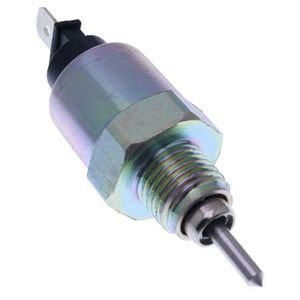
Matched Set Dispatch — Solenoid ships together with compatible seals and gaskets verified against your engine serial prefix.
Technical Specifications
| Parameter |
Value |
| Part Number |
16200-Z6L-003 |
| Cross-Reference |
16200Z6L003 (reference only) |
| Machine Fitment |
Honda GX630, GX660, GX690 |
| Operating Voltage |
12V DC |
| Hold Current |
0.28–0.32A |
| Voltage Drop |
≤0.3V at 12V |
| Plunger Stroke Tolerance |
±0.02mm |
| Plunger Material |
Brass-plated steel |
| Coil Insulation Class |
IEC 60034 Class B (130°C) |
| Seal Material |
FKM fluoroelastomer |
| Seal Temperature Rating |
200°C |
| Mounting Bolt Circle |
12.7mm |
| Mounting Thread |
M5x0.8 |
| Operating Temperature Range |
-10°C to +60°C |
| Shut-off Response Time |
Within 80ms |
| Fuel Pressure Tested |
3 bar |
| Condition |
New Aftermarket |
| Warranty |
6 months against manufacturing defects |
Application Suitability
| Engine System |
Related Components |
| Fuel delivery and shut-off |
Carburetor float bowl gaskets, inline fuel filters, fuel line hose clamps |
| Electrical control circuit |
Wiring harness connectors, relay contacts, fuse ratings for 12V hold current |
| Ignition and starting system |
Spark plug caps, ignition coil primary wiring, stop switch continuity path |
| Governor and throttle linkage |
Throttle return springs, governor arm pivot bushings adjacent to solenoid mount |
Why Solenoid Failures Mask Deeper Fuel System Faults
Replacing the valve without tracing the root cause delays the next breakdown by weeks, not months.
I have watched repair centres swap a fuel shut off solenoid 16200-Z6L-003 only to see the same engine back on the bench with a burnt coil. The shorted wire in the harness or the corroded relay contact that destroyed the first unit is still in the circuit. [NEED_CITE: electrical fault diagnosis procedures for small engine fuel shut-off circuits]. In ethanol-blended fuel environments, standard NBR seals swell and allow fuel past the plunger seat, which operators then misdiagnose as a solenoid electrical failure. Systematic verification of the supply logic and fuel chemistry compatibility prevents this cycle of repeat disassembly.

The Shut-Off Circuit Within the Engine Auxiliary System
The fuel shut off solenoid 16200-Z6L-003 sits at the intersection of the electrical control system and the fuel delivery path on GX630, GX660, and GX690 engines. When the ignition key moves to OFF, the circuit de-energizes the coil and the plunger retracts, cutting fuel supply to the carburetor jet. A failure here is rarely isolated. Upstream contamination from aging fuel lines, downstream varnish buildup in the float bowl, and degraded wiring insulation all contribute to premature solenoid failure. Treating the fuel shut off solenoid 16200-Z6L-003 as a system-level component rather than a standalone part changes both the diagnostic approach and the replacement list.
Matching Seal Chemistry and Plunger Tolerance to Service History
Engines running on E10 or higher ethanol blends demand FKM fluoroelastomer seals rather than standard NBR, which swells and loses dimensional stability in alcohol-exposed environments. This fuel shut off solenoid 16200-Z6L-003 uses FKM rated to 200°C, maintaining seal integrity across the operating temperature envelope. [NEED_CITE: fluoroelastomer compatibility with ethanol-blended gasoline in small engines]. The brass-plated steel plunger holds a stroke tolerance of ±0.02mm, which ensures full seat closure and prevents the slow fuel seepage into the carburetor float bowl that causes flooding on restart. Previous rebuilds may have introduced non-standard clearances if an incorrect solenoid variant was installed, making serial prefix verification essential before ordering.
Spec Interpretation: What the Numbers Mean at the Workbench
The 12V DC rating with a hold current of 0.28–0.32A and a voltage drop ceiling of 0.3V defines the electrical envelope the engine's wiring harness must deliver. If voltage at the connector falls below threshold due to corroded terminals or undersized wire, the coil cannot sustain plunger engagement and the engine stalls mid-operation. The IEC 60034 Class B insulation withstands 130°C continuous coil temperature without thermal derating, which matters on engines where the solenoid mounts close to the exhaust manifold. The M5x0.8 mounting thread on a 12.7mm bolt circle must match the carburetor flange exactly — Honda GX engine series variants sometimes differ in flange configuration across production runs, so confirming the bolt pattern against the existing unit prevents installation surprises.
The Hidden Cost of Swapping Parts Without System Verification
A solenoid that fails twice in one season points to an unresolved upstream fault. Burnt coils trace back to wiring shorts or relay contacts that pass excessive current. Plunger sticking traces back to fuel contamination or incompatible seal materials expanding under ethanol exposure. [NEED_CITE: root cause analysis methodology for repeat solenoid failures in generator sets]. When a workshop replaces only the solenoid and ignores the fuel filter condition, float bowl cleanliness, and harness voltage drop, the underlying degradation continues attacking the new component. The second failure costs another round of labor, another machine-down period, and erodes customer confidence in the repair quality.
Why Procurement Through This Channel
Selected solenoid lines are produced in-house while the remainder is sourced from qualified ISO 9001 manufacturing partners, with both carrying identical QC protocols and the same 6-month warranty. The engine auxiliary category covers shut-off solenoids, fuel filters, carburetor rebuild gaskets, and ignition components under one account, so a complete fuel system service ships as one consignment. One-piece minimum order means an emergency single-unit replacement moves without MOQ delays. Guangzhou warehouse stock enables fast dispatch on common configurations. Part identification works from the OEM reference number, machine model, a photograph of the nameplate, or an image of the removed unit — cross-reference verification covers superseded and alternate numbers before dispatch. A sample unit can ship for fitment confirmation before bulk commitment on fleet orders.
Documentation & Verification
- Commercial invoice listing solenoid quantity and matched gasket sets per engine serial prefix
- Cross-reference sheet marking OEM numbers as reference only for identification purposes
- Functional test record covering voltage drop, hold current, and 3 bar fuel pressure seal integrity
- Six-month warranty terms covering coil failure, plunger seizure, and seal leakage
- Packing photographs showing solenoid and companion parts before carton closure
- HS code documentation and customs classification support for international fuel system component shipments
Installation & Rebuild Sequence
- Verify M5x0.8 mounting thread and 12.7mm bolt circle match the carburetor flange before removing the old unit
- Clean the carburetor mounting surface and inspect the float bowl for varnish deposits that indicate upstream fuel degradation
- Measure voltage at the solenoid connector with ignition ON to confirm the wiring harness delivers within the 12V envelope before final tightening
- Torque mounting bolts evenly and check plunger stroke freedom by hand before reconnecting fuel supply
- Run the engine through three start-stop cycles and inspect the solenoid base for fuel seepage during the initial break-in period
Request a System-Matched Quote
Provide your engine model, serial prefix, and any known rebuild history so the correct flange variant and seal material can be confirmed. If you are quoting a full fuel system overhaul, share the complete job list to receive matched component pricing in a single dispatch. For fleet operators running mixed GX630, GX660, and GX690 units, specify the engine breakdown by serial range to ensure variant accuracy across the order.
Frequently Asked Questions
Q: The solenoid coil keeps burning out — is that a part defect or a system issue?
A: Repeat coil burnout typically traces to wiring faults upstream: corroded relay contacts, harness shorts, or voltage spikes from a failing charging system. Before replacing the solenoid again, measure voltage and current at the connector under load. If values exceed the 0.28–0.32A hold current or 12V nominal range, the root cause lives in the electrical circuit, not the solenoid itself.
Q: What other components should I replace when changing the fuel shut-off solenoid?
A: Replace the fuel filter element, inspect carburetor float bowl gaskets for ethanol swelling, and check fuel line hose clamps for corrosion. Verify the wiring harness connector pins for heat damage or oxidation. Addressing these adjacent components during the same service event prevents the new solenoid from inheriting contamination or electrical degradation that destroyed the previous unit.
Q: Do all GX690 variants use the same solenoid specification?
A: Not necessarily. Honda GX engine series may differ in flange bolt pattern, connector type, or plunger length across production runs and application-specific builds such as GX690AE2 versus other suffixes. Confirm the full engine model designation and serial prefix so the correct variant can be matched before shipment.
Q: How do I confirm the seal material tolerates ethanol-blended fuel?
A: This unit uses FKM fluoroelastomer seals rated to 200°C, which maintain dimensional stability in ethanol-gasoline blends up to E10 and beyond. Standard NBR seals swell and lose sealing force in alcohol-exposed environments. If your engines run on higher ethanol concentrations, verify the seal specification on every replacement order rather than assuming material consistency across suppliers.
Q: Can you quote a complete engine auxiliary kit including this solenoid?
A: Yes. Provide the engine model and the full list of auxiliary components needed — solenoids, fuel filters, gaskets, ignition parts, and any adjacent hardware. Consolidated kits ship as one consignment under a single warranty, eliminating split freight and mismatched arrival dates across multiple suppliers.