System-Level Match — Cooling drive components cross-checked against engine serial variants before dispatch, ensuring the fan belt and adjacent tensioners arrive as a verified set.
Technical Specifications
| Parameter |
Value |
| Part Number |
J911559 J902309 |
| Product Type |
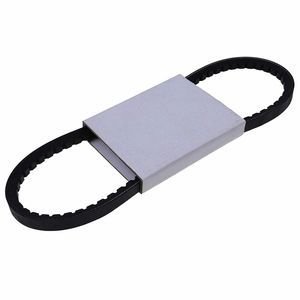
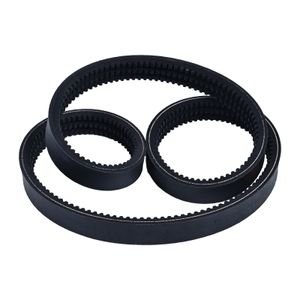
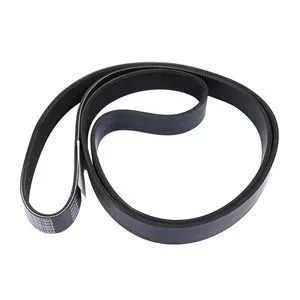
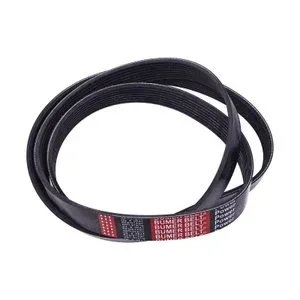
Fan Belt |
| Cross-Reference |
J911559, J911559-A, J911559A, 90500580, 73162121, J902309, J903099, J911570 (reference only) |
| Machine Fitment |
1840, 1845C, 40XT, 480E, 480E LL, 480F, 480F LL, 580K, 580SK, 590, 60XT, 621, 680K, 680L, 70XT, 750K, 75XT, 780C, 780D, 85XT, 90XT, 95XT, 580E, 580SE, 1150E, 1150G, 1150H, 1155E, 650, 650G, 750H, 850D, 850E, 850G, 850H, 850K, 855D, 855E, 1896, 2096, 6030, 584E, 585E, 586E, 3185, SPX3150, SPX3185, SPX3200B, 845, RG140 |
| Material |
Heat Resistant Material |
| Condition |
New Aftermarket |
| Warranty |
3–12 months against manufacturing defects |
| Standard |
ISO certified manufacturing facility |
Application Suitability
| Engine System |
Related Components |
| Engine Cooling Loop |
Water pump, thermostat, radiator hoses, coolant reservoir |
| Belt Drive Assembly |
Tensioner arm, idler pulley, pulley bearings, fan clutch |
| Engine Overhaul Kit |
Cylinder head gasket, piston ring set, main and rod bearings |
| Scheduled Maintenance |
Air filter, oil filter, fuel filter, coolant flush components |
When the Fan Belt Snaps, the Root Cause Is Already Waiting
A broken fan belt engine cooling system replacement often points to a seized tensioner or worn pulley bearing, not the belt itself.
I have seen loaders return to the same job site with a fresh belt only to shed it again within a week. The heat in the engine bay had already cooked the rubber on the previous belt, and the idler pulley bearing was generating enough drag to snap any replacement. Treating the symptom without inspecting the entire cooling drive means scheduling the next breakdown [NEED_CITE: cooling system cascade failure diagnostics for heavy diesel engines].
The Cooling System Context
This fan belt belongs to the engine cooling system, driving the fan that pulls air through the radiator core to regulate operating temperature. When a fan belt engine cooling system replacement is required, the failure rarely exists in isolation. The thermostat may be sticking, the water pump impeller may be eroded, or the radiator hoses may be collapsing under negative pressure. Addressing the belt without verifying these adjacent components leaves the root fault active.
Heat and Contamination Resistance
The heat resistant material compound used in this belt is formulated to withstand sustained engine compartment temperatures without premature cracking or stretching. Conventional rubber belts harden and lose grip when exposed to the thermal cycles typical of loader and tractor engine bays. The reinforced tensile cords maintain proper tension under continuous load, preventing the slippage that causes inefficient cooling and accelerated wear on the pulley grooves [NEED_CITE: elastomer degradation in high-temperature engine compartments].

Specification Breakdown for Cooling Drive Components
The heat resistant material specification directly addresses the thermal environment inside a loader or tractor engine bay, where ambient temperatures around the belt path can exceed the tolerance of standard industrial rubber. This compound resists the hardening and micro-cracking that lead to sudden tensile failure. The oil and chemical resistant properties address another common degradation vector: mist and seepage from adjacent gaskets and breather hoses. Belts exposed to engine oil or coolant residue swell and lose their friction coefficient, causing the fan to spin below design speed. The reinforced tensile cords are specified to resist elongation, which is critical because even a small amount of stretch reduces fan speed disproportionately, cutting airflow through the radiator and raising coolant temperature.
The Cost of Missing the Root Cause
Installing a new belt on a machine with a dragging idler pulley or a failing water pump bearing guarantees a repeat failure. The new belt absorbs the abnormal load and fails prematurely, often damaging the pulley grooves in the process. The machine goes down again, the repair crew returns, and the cost of the second downtime event compounds the first. This cycle continues until the entire cooling drive is inspected as a system and every worn component is replaced in the same service window [NEED_CITE: repeat failure analysis in engine belt drive systems].
Why Source This Belt Through Our Engine System Channel
Our own production lines and qualified sourced supply operate under the same QC protocol and warranty terms, so you receive consistent quality whether the belt is produced in-house or sourced. Eight product categories mean the tensioner, idler pulley, thermostat, and hose clamps ship in one consignment under a single account. Minimum order starts at one piece, which matters when a single machine is down and you need to confirm fitment before committing to fleet quantities. Part identification works from the part number, the machine model, a photograph of the old belt, or a nameplate image when the printed numbers are worn away. Cross-reference verification covers superseded numbers like J902309 and J903099, ensuring the correct variant reaches your workshop. A sample can be supplied for fitment confirmation before you place a bulk order.
Documentation & Verification
- Commercial invoice and packing list itemizing belt quantities and cross-reference numbers.
- Compatibility sheet confirming J911559 and J902309 interchange references marked as reference only.
- Dimensional inspection record covering belt length, width, and groove profile.
- Warranty terms covering manufacturing defects for 3 to 12 months.
- Packing photographs documenting belt condition before crate sealing.
- HS code and customs documentation prepared for international engine parts shipments.
Installation & Rebuild Sequence
- Inspect all pulley grooves for wear and scoring before routing the new fan belt onto the drive.
- Verify idler pulley bearing spins freely without grinding noise or lateral play.
- Check water pump shaft for axial play that could indicate a failing bearing dragging on the belt.
- Apply specified tension and confirm belt deflection at the longest span between pulleys.
- Run the engine to operating temperature and re-check tension after the initial heat cycle.
Request a System-Level Cooling Quote
Provide your engine model, serial number, and any prior rebuild history so we can confirm the correct belt variant and identify adjacent components that should be replaced concurrently. If the old belt is available, a photograph of the part number and cross-section helps verify the groove profile. We will return a consolidated quote covering the belt, tensioner, pulleys, and thermostat as a matched cooling system set.
Frequently Asked Questions
Q: What other cooling system parts should be replaced when the fan belt fails?
A: Inspect the tensioner arm and spring, idler pulley bearing, water pump shaft play, and thermostat operation. If any component shows wear, replace it alongside the belt to prevent the root fault from destroying the new belt. A matched set ensures the entire cooling loop is addressed in one service window.
Q: How do I confirm the correct belt variant when multiple reference numbers exist?
A: Cross-reference numbers like J911559, J902309, and J903099 can map to the same physical belt or to different length variants depending on the engine build. Provide your engine serial number so we can verify the exact belt length, width, and pulley groove profile required for your specific machine.
Q: Does the engine serial number affect which fan belt fits my CASE loader or tractor?
A: Yes. Engine serial ranges determine which accessory drive configuration was installed at the factory, and this affects belt routing and length. Two machines with the same model designation may require different belts. Always confirm against the engine serial number rather than the machine model alone.
Q: What system-level checks should accompany a fan belt replacement to prevent repeat failure?
A: Check for oil or coolant contamination on the belt path, verify radiator airflow is not restricted by debris, confirm the fan clutch engages properly, and inspect all hose connections for leaks that could drip onto the belt. Addressing these system-level factors prevents the new belt from failing prematurely.
Q: Can I order a complete cooling system overhaul kit in one shipment?
A: Yes. We consolidate the fan belt, tensioner assembly, idler pulleys, thermostat, gaskets, and hose clamps into a single consignment. This eliminates split freight charges and ensures all components arrive together so the machine can be returned to service without waiting for a second delivery.