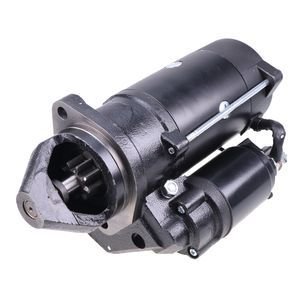
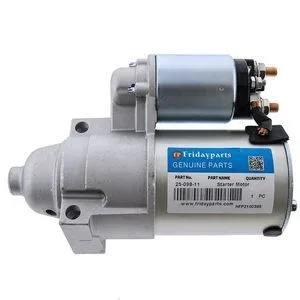
Matched to Engine Variant — Coil resistance and pull force verified against Niftylift TD34 fuel control system requirements before dispatch.
Technical Specifications
| Parameter |
Value |
| Part Number |
P12972 |
| Product Type |
Stop Solenoid |
| Cross-Reference |
1502ES-12C7U1B1, 1502ES12C7U1B1, ES1502C-12V T20, ES1502C12VT20 (reference only) |
| Machine Fitment |
TD34, SD34, SD50, HR17D, HR21D, HR10, HR12, HR15N, HR17N, 120SD, 170SD, NL210 |
| Brand Compatibility |
Niftylift |
| Voltage |
12V |
| Condition |
New Aftermarket |
| Warranty |
3-12 months against manufacturing defects |
| MOQ |
1 Piece |
| Quality Standard |
ISO 9001 |
Application Suitability
| Engine System |
Related Components |
| Fuel delivery control |
Fuel injection pump, fuel lines, return hoses |
| Engine RPM regulation |
Throttle linkage, ECU signal wiring, relay circuits |
| Engine shutdown circuit |
Ignition switch, kill relay, harness connectors |
| Electrical supply |
Battery terminals, alternator output, ground straps |
Why Throttle Solenoids Fail Again Within Weeks of Replacement
A replacement throttle solenoid that burns out a second time usually points to a wiring or control signal fault, not the component itself.
In Shandong manufacturing zones and field service depots, I have handled repeated warranty claims where the same Niftylift aerial platform came back with a fried coil. The root cause was rarely the solenoid — it was high resistance in the harness, a corroded connector pin, or a failing relay sending voltage spikes. Swapping the part without tracing the circuit means the new unit absorbs the same electrical abuse and fails on the same timeline. [NEED_CITE: electrical fault diagnosis procedures for mobile equipment engine controls]

The Fuel Control Loop This Solenoid Operates Within
The throttle solenoid P12972 sits at the intersection of the electrical and fuel systems on Niftylift machines. It receives a signal from the engine control circuit and translates that into mechanical movement — pulling or releasing the fuel rack to set engine RPM. When this component degrades, operators notice erratic idle, failure to reach working RPM, or an engine that will not shut down cleanly. Understanding the throttle solenoid engine system replacement as part of a loop, rather than an isolated swap, prevents the next failure from landing back on the bench.
Checking the Harness Before the New Solenoid Goes On
Connector corrosion on aerial work platforms is common because these machines sit outdoors between jobs, often with the engine bay exposed to weather. Before installing the replacement, the wiring harness should be checked for continuity, pin tension, and ground integrity. A loose ground strap or a pin that has spread inside the connector plug will cause intermittent voltage drops. The new solenoid then operates outside its designed electrical range, accelerating coil breakdown. [NEED_CITE: wiring harness inspection standards for construction equipment electrical systems]
Coil Resistance, Pull Force, and Why They Matter at 12V
The 12V specification defines the operating window, but coil resistance determines how much current flows and how much heat builds up inside the winding. A solenoid with resistance too low for the circuit will draw excess current, overheating the coil insulation until it shorts internally. Pull force must also match the fuel rack spring tension — too weak and the rack does not travel fully, leaving RPM unstable; too strong and the linkage wears prematurely. These parameters are checked on every unit before it leaves the warehouse, so the throttle solenoid engine system replacement performs within the original equipment envelope.
The Cost of Skipping the System Check
Replacing the solenoid without verifying the upstream electrical path means accepting a second failure as probable. The machine goes back into service, the operator resumes work, and days or weeks later the engine stalls or runs away again. Now the platform is down a second time, the technician is pulling components off again, and confidence in the replacement part is gone — even though the real fault was never addressed. This cycle is the single most common reason rebuild shops and field crews lose trust in aftermarket engine electrical components. [NEED_CITE: repeat failure analysis in engine control component replacement]
Why Sourcing From XUNPO Reduces Repeat Failures
Our technical team confirms engine model and serial number against the fuel system variant before shipping, so the solenoid matches the specific Niftylift build. Cross-reference verification covers superseded numbers — the same base component may carry different identifiers across machine generations, and shipping the wrong variant is a fitment error, not a quality defect. Sample units are available for bench testing before bulk commitment, letting rebuild shops verify coil resistance and stroke length against their own specifications. Both self-produced and sourced lines carry identical QC protocols and warranty terms under one account. Guangzhou warehouse stock on common engine electrical items supports fast dispatch when a machine is already down and waiting.
Documentation & Verification
- Commercial invoice listing P12972 with cross-reference numbers marked reference only
- Compatibility sheet confirming Niftylift model and engine serial match
- Coil resistance and pull force test records included with shipment
- Warranty terms covering manufacturing defects for 3 to 12 months
- Packing photographs showing protective packaging before crate closure
- HS code and customs documentation for international engine parts clearance
Installation & Rebuild Sequence
- Disconnect battery negative terminal before unplugging the existing solenoid connector
- Clean the mounting flange surface and inspect for stripped threads
- Verify connector pin condition and harness continuity before plugging in the new unit
- Apply dielectric grease to the connector to prevent moisture ingress on the platform
- Reconnect battery and test idle RPM and shutdown response before returning to service
- Log the replacement in the machine maintenance record for future overhaul reference
Before You Request a Quote
Provide the Niftylift machine model, engine model, and serial number so we can confirm the exact fuel system variant. If the engine has been rebuilt previously, share the overhaul history — modified fuel racks or non-standard linkage can change solenoid requirements. Photographs of the existing connector and nameplate help us cross-check compatibility before dispatch, reducing the chance of a fitment mismatch on arrival.
Frequently Asked Questions
Q: What engine system components should I inspect when replacing the throttle solenoid?
A: Check the wiring harness for continuity and pin corrosion, verify the ground strap connection, test the kill relay and ignition switch for proper voltage delivery, and inspect the fuel rack linkage for binding or excessive wear. Any fault in these upstream components will transfer the same electrical stress to the new solenoid and cause a repeat failure.
Q: How do I confirm this solenoid matches my specific engine variant?
A: Provide the Niftylift machine model along with the engine serial number. Within the same machine platform, engine builds can differ by production batch, and the fuel control circuit may vary. We cross-reference the serial number against the solenoid specification to confirm voltage, connector type, and pull force match your exact build.
Q: Can I test the solenoid before installation to verify functionality?
A: Yes. Apply 12V across the coil terminals briefly and confirm the plunger pulls in with an audible click. Measure coil resistance with a multimeter and compare against the specification range. This bench test confirms electromagnetic function before the unit is mounted to the engine.
Q: What other engine electrical parts commonly fail alongside throttle solenoids?
A: Kill relays, wiring harness connectors, and ignition switches often degrade on the same timeline. A failing relay can send voltage spikes that damage the solenoid coil. When one electrical component in the fuel control loop fails, inspecting adjacent parts prevents the next failure from occurring shortly after the repair.
Q: How do I identify the root cause if the new solenoid also fails prematurely?
A: Measure voltage at the solenoid connector with the engine running — values outside the 12V operating window indicate an alternator or regulator fault. Check for intermittent opens in the harness by wiggling the wiring while monitoring continuity. These diagnostics isolate whether the failure originates upstream in the electrical supply or within the solenoid itself.