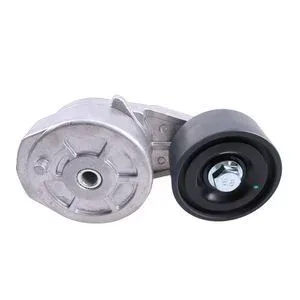
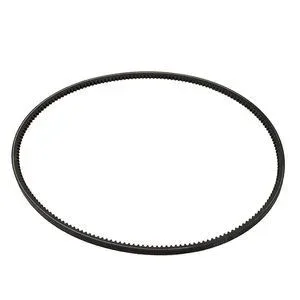
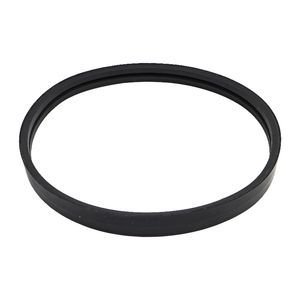
Matched System Dispatch — This drive belt ships alongside verified pulleys and tensioners so the entire BC600XL belt drive system goes back into service in one delivery.
Technical Specifications
| Parameter |
Value |
| Part Number |
154537-001 |
| Product Type |
Belt |
| Cross-Reference |
154537-001, 154537001 (reference only) |
| Machine Fitment |
Vermeer BC600XL Brush Chipper |
| Condition |
New Aftermarket |
| Construction |
Precision-molded rubber compound with reinforced cord |
| Warranty |
3–12 months against manufacturing defects |
| MOQ |
1 piece |
| Quality Standard |
ISO 9001 |
Application Suitability
| Engine System |
Related Components |
| Belt drive — engine output to chipper drum |
Pulleys, tensioner assembly, idler brackets |
| Accessory drive — secondary belts on engine front |
Fan belts, alternator belts, mounting hardware |
| Scheduled overhaul — full belt drive system refresh |
Matched belt sets, seal kits for tensioner pivots |
What Fails the Belt Drive System Long Before the Belt Itself Wears Out
A new drive belt installed over a degraded tensioner is already counting down to its next failure.
When a chipper comes in with a shredded or glazed belt, the belt is usually the symptom, not the cause. Worn tensioner bearings, pulley grooves polished smooth by years of abrasion, and misaligned idler brackets all load the replacement belt unevenly from the first revolution [NEED_CITE: belt drive system failure root cause analysis in wood chipping equipment]. In the Pearl River Delta repair shops I worked in, we saw Vermeer chippers return within weeks of a belt-only swap because the surrounding hardware was never inspected. That pattern repeats across any machine where the belt drive system transmits peak torque through contaminated, high-vibration environments. Understanding the drive belt engine system replacement as a system-level job — not a single-part swap — is what separates a lasting repair from a repeat visit.

Where This Belt Sits in the Chipper Powertrain
The 154537-001 belt transmits rotational force from the engine crankshaft pulley to the chipper drum drive, making it the single mechanical link between power generation and cutting performance. When this drive belt engine system replacement enters the workshop, it should be treated as one element inside a full belt drive service window. The tensioner, idler pulleys, and drum-side sheaves all share the same operating hours and contamination exposure. Replacing the belt while leaving fatigued adjacent components in place compromises the entire drive belt engine system replacement outcome.
Why Belt Failures Repeat After a Parts-Only Fix
Installing a new belt without addressing pulley groove wear or tensioner spring fatigue introduces uneven loading from the first hour of operation. Debris from chipping operations — wood dust, sap residue, bark fragments — accelerates abrasion on any surface that is already marginal [NEED_CITE: particulate contamination effects on industrial belt drive longevity]. A drive belt engine system replacement that includes a full inspection of tensioner travel, pulley runout, and bracket alignment catches the conditions that destroy belts prematurely. In practice, the shops that treat belt replacement as a system service see meaningfully longer intervals between repeat failures.
Reading the Specifications That Matter for Belt Drive Fitment
The reinforced cord construction inside this belt determines its tensile capacity under the shock loads generated when the chipper drum encounters dense hardwood or irregular feed. Precision-molded rubber compound ensures the belt seats fully in the pulley groove rather than riding high and generating excess heat at the sidewalls. Dimensional accuracy in length and cross-section is critical because even a slight deviation shifts the belt tracking position, accelerating wear on both the belt and the pulley flanges. These three parameters — cord strength, compound molding precision, and dimensional tolerance — together define whether the belt survives its first week in a commercial chipping operation.
The Cost of Skipping the Adjacent Component Check
A belt that snaps or de-laminates under load does not just stop the chipper — it can whip through guarding and damage nearby hydraulic lines or electrical harnesses. When the root cause was a seized tensioner bearing left in place during the last service, the repair scope expands from a belt swap to a multi-system teardown [NEED_CITE: secondary damage from belt drive component failure in mobile equipment]. Shops that skip the pulley and tensioner inspection end up absorbing the cost of repeat labor, and the machine owner absorbs the cost of repeat downtime. Every drive belt engine system replacement that ignores the surrounding hardware is a repair waiting to happen again.
Why Sourcing the Full System from One Account Changes the Outcome
Self-produced and qualified sourced lines carry identical warranty terms, so the belt, tensioner, and pulleys all sit under one coverage umbrella. Eight product categories under a single account mean the complete belt drive job — belt, seals, fasteners, and hardware — consolidates into one shipment rather than arriving on staggered timelines. Part identification from a photograph of the worn belt or the machine nameplate eliminates guesswork when the original part number is illegible. Cross-reference verification covers superseded and alternate numbers so the correct specification is confirmed before anything ships. A sample can be supplied for fitment confirmation before a bulk commitment is made, reducing the risk of a mismatched batch across a fleet of chippers.
Documentation & Verification
- Commercial invoice listing belt part number 154537-001 with HS code for customs clearance
- Cross-reference sheet mapping 154537-001 and 154537001 for identification purposes only
- Dimensional inspection record confirming belt length and cross-section tolerance before dispatch
- Warranty terms covering manufacturing defects for 3 to 12 months from delivery
- Packing photographs showing belt condition and protective wrapping prior to crate sealing
Installation & Rebuild Sequence
- Inspect all pulley grooves for polishing or uneven wear before routing the new 154537-001 belt onto the drive
- Verify tensioner travel and spring pressure against specification to prevent under- or over-tensioning the replacement belt
- Confirm pulley alignment with a straightedge across the belt drive system sheaves before applying final tension
- Run the chipper drum at idle for initial seating, then re-check belt tracking and tension after the first hour of operation
Request a System-Level Quote
Provide the engine model, serial number, and any overhaul history so we can confirm whether standard or variant-specific belt drive components are required. If the original part number is worn away, send a photograph of the belt cross-section and the pulley diameter for identification. Share your complete service list so matched pulleys, tensioners, and seals can be included in one consolidated quotation.
Frequently Asked Questions
Q: What other components should I inspect or replace when changing this drive belt?
A: The tensioner assembly, idler pulleys, and drum-side sheaves should all be inspected for bearing play, groove wear, and bracket alignment. Worn tensioner springs or polished pulley grooves load the new belt unevenly and cause premature failure. We can include matched pulleys and tensioner components in the same shipment so the full drive belt engine system replacement is completed in one service window.
Q: How do I confirm this belt matches my BC600XL's specific build?
A: Provide the machine serial number and, if available, the engine serial number so we can verify the belt specification against production variants. If the old belt part number is unreadable, a photograph of the belt cross-section and the pulley diameter is usually sufficient. Our cross-reference verification covers superseded numbers to ensure accuracy.
Q: Can I order matched pulleys and tensioners in the same shipment?
A: Yes. We consolidate belt drive system components — pulleys, tensioners, idler brackets, and fasteners — under one account with one warranty. This eliminates staggered deliveries and ensures all parts arrive together for the scheduled service window. Share your full repair list and we will quote everything as a single consignment.
Q: What causes repeated belt failure even after replacement?
A: The most common root causes are worn tensioner bearings, misaligned pulleys, and debris contamination from chipping operations. Installing a new belt without addressing these conditions means the replacement inherits the same failure environment. A system-level inspection during every drive belt engine system replacement catches the underlying issues before they destroy another belt.
Q: How do I identify the correct belt when the old part number is unreadable?
A: Send a photograph of the worn belt alongside a ruler for scale, plus an image of the machine nameplate. Our technical team can identify the correct specification from the belt profile, pulley diameter, and machine model. We verify against superseded and alternate part numbers before confirming the order, so you receive a belt that fits on the first attempt.