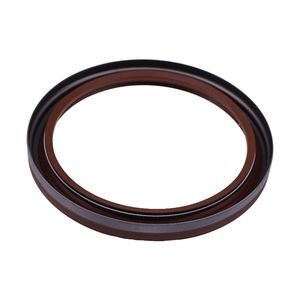
System-Matched Seal Grade — Crankshaft journal condition and engine serial determine the correct front seal variant for each Deutz DL2011L or BFL2011 rebuild.
Technical Specifications
| Parameter |
Value |
| Part Number |
04102866 |
| Product Type |
Oil Seal |
| Cross-Reference |
04175433, 02108831, 04128170 (reference only) |
| Machine Fitment |
DL2011L, DL2011, BFL2011, BFL1011, TCD 2.9, TCD 3.6, TCD 2.2 L3 |
| Brand Compatibility |
Deutz |
| Seal Position |
Front crankshaft |
| Material |
NBR rubber + spring-loaded steel case |
| Outer Diameter Tolerance |
±0.03 mm |
| Condition |
New Aftermarket |
| Standards |
ISO 9001, ISO 6194-1 |
| Warranty |
6-month warranty against manufacturing defects |
Application Suitability
| Engine System |
Related Components |
| Front-end sealing system |
Timing cover gasket, front crankshaft wear sleeve |
| Complete engine overhaul kit |
Rear crankshaft seal, valve stem seals, oil pan gasket |
| Oil leak diagnosis and repair |
Timing cover sealant, crankshaft journal inspection tool |
| Dealer consumable stock |
Matched seal and gasket sets for DL2011L and BFL2011 series |
Why a Crankshaft Oil Seal Fails Before the Next Scheduled Overhaul
The root cause is rarely the seal itself — it sits inside a system where journal finish, bore tolerance, and prior rebuild history all dictate service life.
When a Deutz DL2011L comes in for a front oil leak, replacing the crankshaft oil seal without checking whether the journal was ground to oversize during a previous rebuild almost guarantees a repeat failure within weeks. I have seen this pattern on desert construction sites where the machine was back to work the same day, only to leak again before the next fuel delivery. The same part number ships across multiple engine variants, and a mismatch between seal grade and crankshaft condition turns a simple reseal into a second teardown [NEED_CITE: crankshaft journal surface finish requirements for radial shaft seals].

The Sealing System Around the Front Journal
This front crankshaft oil seal operates as one element in the Deutz front-end sealing system. The timing cover bore, the crankshaft journal surface, and the adjacent gasket all share responsibility for keeping oil inside the block. When the crankshaft oil seal is replaced in isolation, without verifying the condition of mating surfaces, the new lip rides on the same worn groove that destroyed the previous one.
For TCD 2.9 and TCD 3.6 variants, the front seal must also accommodate different harmonic balancer configurations that affect axial loading on the lip. Matching the seal to the specific engine build is the difference between a repair that holds through the next overhaul interval and one that leaks before the break-in period ends.
Prior Rebuild History Changes What Fits
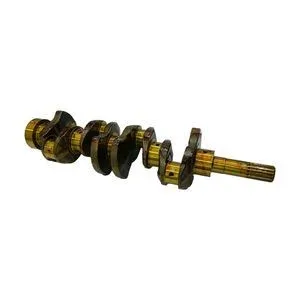
A crankshaft that was ground during an earlier overhaul may now sit at an undersize dimension that changes the interference relationship with the seal lip. The NBR compound and spring tension in this crankshaft oil seal are calibrated for the nominal journal diameter; running it on a reground surface without a corresponding wear sleeve reduces lip contact pressure and accelerates leakage [NEED_CITE: undersize crankshaft journal seal compensation methods].
Across the BFL2011 and BFL1011 range, engine serial breaks correspond to different front seal depths. Confirming the engine serial against the service manual ensures the correct variant is selected — not just a dimensionally similar part that happens to press into the bore.
Material and Tolerance Details That Matter in the Block
The NBR rubber compound in this seal is formulated for continuous exposure to diesel engine oil at operating temperatures typical of Deutz industrial and construction applications. NBR maintains its elasticity and lip sealing force across the temperature range encountered in open-pit mining and port material handling environments, where ambient heat compounds with engine bay temperatures.
The spring-loaded steel case serves two purposes: it provides the interference fit in the timing cover bore, and it maintains constant radial force on the sealing lip as the crankshaft rotates. The ±0.03 mm outer diameter tolerance ensures the case seats firmly without spinning in the bore — a seal that rotates with the crankshaft wears through its own housing in short order [NEED_CITE: ISO 6194-1 radial shaft seal bore tolerance specifications].
The sealing lip surface finish is matched to the hydrodynamic film requirements of the crankshaft journal. A micro-pattern on the lip directs any oil that passes the primary edge back into the crankcase, preventing the slow weep that marks the beginning of a visible leak.
The Cost of Skipping System-Level Verification
Ordering this crankshaft oil seal without confirming crankshaft journal condition and engine serial variant leads to one of two outcomes: the seal does not seat correctly on assembly, or it fails prematurely under normal operating loads. Either way, the engine comes back apart, and the second teardown costs more in labour and downtime than a thorough initial inspection would have required.
On machines working in remote sites — desert road construction, mining operations far from the nearest workshop — a repeat front seal failure means extended downtime while a replacement ships in. The hidden cost is not the seal itself but the machine hours lost and the secondary damage from oil contamination of the timing belt or accessory drive [NEED_CITE: effects of front crankshaft oil leak on timing belt integrity].
Why Source This Component Through a System-Level Supplier
Own production on selected seal lines and qualified sourced supply sit under one account with one warranty, so matched overhaul kits arrive from a single point of accountability. Eight product categories mean the front seal ships alongside timing cover gaskets, oil pan gaskets, and valve stem seals in one consolidated dispatch — no second order, no split freight.
Minimum order from one piece supports the workshop that needs a single front seal for an emergency repair, while cross-reference verification covering OEM numbers 04102866, 04175433, 02108831, and 04128170 catches superseded references before shipment. A technical team confirms seal variant against engine serial and prior rebuild history, and sample supply is available for fitment confirmation before bulk commitment on fleet-level orders.
Documentation & Verification
- Commercial invoice listing part number 04102866 with cross-reference numbers marked reference only
- Compatibility sheet mapping engine serial ranges to correct seal variant
- Quality inspection record covering outer diameter measurement and lip tension test
- Warranty terms specifying coverage for manufacturing defects over six months
- Packing photographs showing sealed polybag condition before crate closure
- HS code and customs documentation for international engine parts shipment
Installation & Rebuild Sequence
- Inspect crankshaft journal for scoring or regrind marks before pressing in the new front seal
- Clean timing cover bore thoroughly to ensure interference fit on the ±0.03 mm steel case
- Verify seal lip direction faces inward toward crankcase oil pressure during assembly
- Check front cover alignment dowels to prevent bore distortion that unseats the seal
- Run initial break-in at idle to confirm no weeping before returning machine to load
Share Your Engine Details for Accurate Matching
Provide the Deutz engine model, engine serial number, and any known prior rebuild history so the correct seal variant can be confirmed against the crankshaft journal condition. If the nameplate is worn or painted over, a photograph of the block casting numbers and the old seal is sufficient for identification and cross-reference verification.
Frequently Asked Questions
Q: What other seals and gaskets should be replaced during a Deutz front-end reseal?
A: A complete front-end reseal typically includes the timing cover gasket, front crankshaft wear sleeve if the journal shows a wear groove, and the accessory drive seals. Replacing these together prevents oil from finding a path past adjacent surfaces that are already halfway through their service life, avoiding a second teardown within months.
Q: My crankshaft was ground during a previous rebuild — does this seal still fit?
A: It depends on the regrind dimension. A ground journal reduces the outer diameter the seal lip rides on, which can lower lip contact pressure. Confirm the crankshaft oversize grade and whether a wear sleeve was fitted. We verify seal compatibility against the actual journal condition, not just the nominal engine model.
Q: Are there different seal variants across DL2011L and BFL2011 engine serial ranges?
A: Yes. Engine serial breaks within the DL2011L and BFL2011 range correspond to different front seal depths and timing cover bore dimensions. Providing the full engine serial number allows us to confirm which variant fits your specific build, rather than shipping the most common version and risking a mismatch.
Q: What system-level fault causes premature front crankshaft seal failure?
A: Excessive crankshaft end play, a worn harmonic balancer, or a blocked crankcase breather can all push oil past the front seal. The seal may be the symptom rather than the cause. We recommend checking crankcase pressure and axial play before condemning the seal alone, especially if failures repeat across multiple rebuilds.
Q: How do I confirm the correct OEM cross-reference number for my specific engine build?
A: Cross-reference numbers 04102866, 04175433, 02108831, and 04128170 are marked for reference only and correspond to different production periods and engine variants. Share your engine serial number and we verify which reference applies to your build, including any superseded numbers carried forward from earlier service manuals.