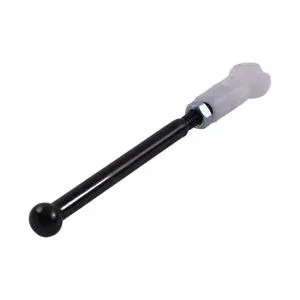
Engine Sequence Variants Verified — D24NAP connecting rod matched by engine serial range, not just machine model, ensuring correct big-end bore and small-end bushing fitment.
Technical Specifications
| Parameter |
Value |
| Part Number |
7032360 |
| Product Type |
Connecting Rod |
| Cross-Reference |
7032360 (reference only) |
| Machine Fitment |
D24NAP Engine (DX225LC-5, DX255LC-5, DX300LC-5) |
| Material |
Forged 42CrMo alloy steel |
| Surface Treatment |
Shot peening and nitride surface hardening |
| Tensile Yield Strength |
>850 MPa |
| Pin Bore Diameter Tolerance |
±0.015 mm |
| Center-to-Center Length Tolerance |
±0.02 mm |
| Oil Feed Grooves |
CNC-machined to match OEM flow paths |
| Condition |
New Aftermarket |
| Warranty |
3–12 months against manufacturing defects |
| MOQ |
1 piece |
| Standards |
ISO 9001, ISO 3733, ISO 6892-1 |
Application Suitability
| Engine System |
Related Components |
| Crank-train assembly |
Connecting rod bearings, crankshaft journals, main bearings |
| Piston group |
Piston pin, piston pin circlips, piston rings |
| Lubrication circuit |
Oil pump, oil filter, gallery feed passages |
| Cylinder block |
Cylinder liner, head gasket, block dowel pins |
| Overhaul kit |
Full gasket set, rod bolts, thrust washers |
Why a Connecting Rod Fails Weeks After a Fresh Rebuild
Most repeat failures trace back to a system cause that was never corrected.
In mining sites across Brazil and Chile, I have opened D24NAP engines where the connecting rod snapped again within months of overhaul. The fracture surface told the same story each time: uneven loading from a scored crankshaft journal, oil starvation from a blocked gallery, or a piston pin bore worn beyond tolerance pushing lateral force into the small end. Replacing the rod alone treats the symptom, not the cause [NEED_CITE: root cause analysis methodology for reciprocating engine component failures]. When the underlying fault in the lubrication or piston group is missed, the new connecting rod inherits the same destructive forces that broke the first one.
System Position Within the D24NAP Powertrain
The connecting rod links the piston to the crankshaft and must survive alternating tensile and compressive loads every revolution. In the D24NAP engine found in DX225LC-5 and DX300LC-5 machines, this connecting rod works alongside matched piston assemblies and precision-grade rod bearings to maintain oil film integrity at the big end. Any mismatch in the crank-train group disrupts load sharing across cylinders and accelerates fatigue in adjacent components.
Sequence Variants and Rebuild History
Doosan D24NAP engines shipped across different production years carry internal revisions that change big-end bore diameter and rod bolt specification. An engine that has already been through one overhaul may have a crankshaft ground to 0.25 or 0.50 undersize, requiring a matching undersize bearing shell and verified rod bore. Sending a standard-dimension connecting rod to a machine with a reground crankshaft guarantees either assembly failure or rapid bearing wipeout [NEED_CITE: engine rebuild undersize bearing matching procedures]. Always confirm the engine serial number and current crankshaft condition before ordering.
Dimensional Control and Material Behavior
Forged 42CrMo alloy steel provides the fatigue strength needed for continuous high-load excavation cycles. Shot peening introduces compressive residual stress on the surface, which retards crack initiation at the I-beam section transition. The nitride surface hardening on the big-end bore improves wear resistance against the bearing shell back. Pin bore diameter held to ±0.015 mm ensures the piston pin floats correctly without galling or excessive slap. Center-to-center length tolerance of ±0.02 mm keeps compression ratio consistent across all cylinders, preventing one cylinder from running hotter than its neighbors. CNC-machined oil feed grooves align with the block gallery outlets so lubrication reaches the wrist pin bushing on every stroke.

The Hidden Cost of Skipping the System Check
A workshop that installs a new connecting rod without measuring crankshaft journal condition or verifying oil pump output will often see a warranty claim before the next service interval. The rod itself may be dimensionally perfect, but if the adjacent bearing shell is the wrong grade or the oil gallery is partially blocked, the repair fails and the engine comes apart again. Downtime compounds because the machine has to be torn down a second time, new gaskets and seals are consumed again, and the customer loses confidence in the parts supply chain [NEED_CITE: cost impact of repeat engine teardowns in heavy equipment fleets]. The expense is never just the rod — it is the labor, the collateral damage, and the project delay.
Why Source This Connecting Rod Through Our Engine System Desk
Own production lines and qualified sourcing partners operate under one warranty account, so a connecting rod ordered alongside piston sets and bearing shells carries the same quality terms. Eight product categories allow a complete D24NAP overhaul list to ship in one consignment, eliminating split freight and mismatched arrival dates. Orders start at one piece, which matters when a single rod failed and the rest of the engine is still serviceable. The Guangzhou warehouse holds common sizes for fast dispatch. Part identification works from an engine serial plate photograph when the rod itself is too damaged to read. Technical staff verify cross-reference numbers including superseded designations before confirming fitment.
Documentation & Verification
- Commercial invoice listing each rod by engine serial and oversize grade
- Cross-reference sheet marking 7032360 as reference only with verified superseded numbers
- CMM dimensional report covering pin bore, big-end bore, and center distance
- Warranty terms specifying coverage period and manufacturing defect scope
- Packing photographs showing rod orientation and protective wrapping before crate closure
- HS code and customs paperwork formatted for Latin American import procedures
Installation & Rebuild Sequence
- Inspect crankshaft connecting journal for score marks and measure with micrometer before fitting the rod
- Match bearing shell grade to crankshaft condition — STD, 0.25, or 0.50 undersize as confirmed
- Install new one-time-use torque-to-yield rod bolts and follow the two-stage tightening sequence
- Verify big-end bore roundness with dial gauge after torquing to detect housing distortion
- Confirm oil gallery alignment by pressurizing the lubrication circuit before reinstalling the oil pan
Request a System-Matched Quote
Provide the D24NAP engine serial number and any known crankshaft regrind history so we can confirm the correct connecting rod dimension and bearing grade. If the engine plate is unreadable, a photograph of the old rod next to a ruler or caliper allows our team to verify pin bore and big-end bore. Send the full overhaul parts list for a consolidated quote covering rods, pistons, gasket kits, and bearings in one shipment.
Frequently Asked Questions
Q: Does a standard overhaul kit include the rod bearings and rod bolts for the D24NAP?
A: Overhaul kit contents vary by engine serial variant. Some kits include rod bearings at STD grade only, while others omit rod bolts entirely. We cross-check your engine number against the kit bill of materials and flag any missing items before dispatch so the engine does not sit on the stand waiting for a second order.
Q: My D24NAP crankshaft has been ground to 0.25 undersize — what connecting rod do I need?
A: The rod body itself is the same part number 7032360 (reference only), but the bearing shells must match the reground journal diameter. We supply the rod together with 0.25 undersize shells verified against your measured journal size, and we recommend new rod bolts since the originals are torque-to-yield and cannot be reused.
Q: Are connecting rods interchangeable across all D24NAP engine serial numbers?
A: Not always. Early and late production D24NAP engines may differ in big-end bore diameter, rod bolt thread pitch, or small-end bushing width. Providing your engine serial number lets us confirm which variant fits before we ship, avoiding a situation where the rod arrives and will not assemble.
Q: After a connecting rod fracture, which other components should be inspected?
A: Inspect the crankshaft journal for scoring, the adjacent main bearings for impact damage, the piston pin bore for elongation, and the lubrication gallery for blockage. We include a checklist with every rod shipment covering these inspection points so the root cause is addressed before the engine is reassembled.

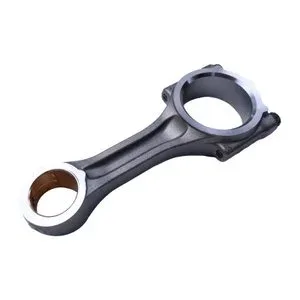
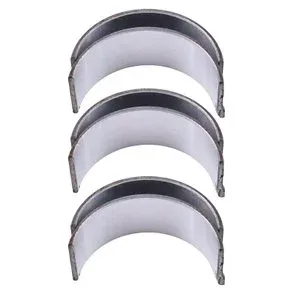
![10437 → 数字之和:1+0+4+3+7 = 15 句式结构:15 % 6 = 3 → [品牌/机型]-Compatible [品类词] – [站点修饰词] 目标站 xunpomachineryparts.com 措辞池:Engine Grade / Rebuild Kit / Matched Set / Overhaul Component / Powertrain / System-Matched (6个) 修饰词选取:15 % 6 = 3 → Overhaul Component Kubota-Compatible Connecting Rod Bolt 16851-22140 – Overhaul Component](https://xunpomachineryparts.com/wp-content/uploads/2026/09/10437-e28692-e695b0e5ad97e4b98be5928cefbc9a10437-15-e58fa5e5bc8fe7bb93e69e84efbc9a15-6-3-e28692-e59381e7898c-e69cbae59e8b-compatible-caf57e.webp)