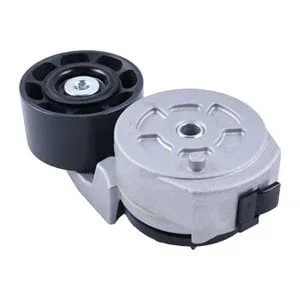
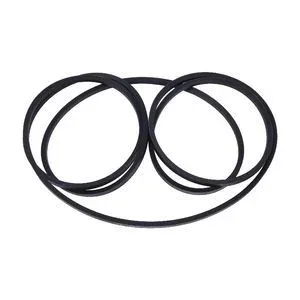
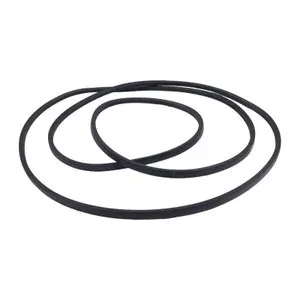
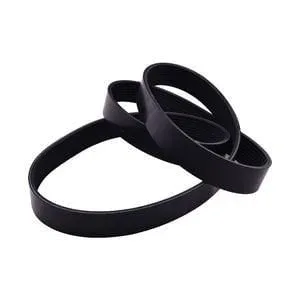
System-Matched Dispatch — tensioner and companion belt drive parts verified against engine serial before shipping, so rebuild kits leave the warehouse complete.
Technical Specifications
| Parameter |
Value |
| Part Number |
87326910, J914086 |
| Product Type |
Belt Tensioner |
| Cross-Reference (reference only) |
87326910, J914086 |
| Machine Fitment |
CASE Dozer (1550, 1085B, 1150E, 1150G, 1650K, 1850K, 650K, 750K, 850K, 850E, 850G, 855E), CASE Excavator (588, 888, 1088, 1188LC, 1288LC, CX130, CX160, CX210, CX240), CASE Loader (1845C, 480F, 580K, 580L, 580M, 580SK, 621C, 821C), CASE IH Tractor (1896, 7220, 8830, 8940, MX150, MX170) |
| Housing Material |
High-strength forged steel |
| Damping Element |
OEM-spec elastomeric damper |
| Integrated Grease Seal |
Yes |
| Operating Temperature Range |
-20°C to +110°C |
| Condition |
New Aftermarket |
| Warranty |
3–12 months against manufacturing defects |
Application Suitability
| Engine System |
Related Components |
| Auxiliary Belt Drive (Fan & Alternator) |
Fan belt, alternator belt, idler pulleys, pulley bearings |
| Primary Accessory Drive (CASE 4391T / RP135) |
Multi-rib serpentine belt, crankshaft pulley, harmonic balancer |
| Cooling System Airflow Loop |
Fan hub, fan clutch, shroud seals, radiator mounting hardware |
| Tier 4 Final Emission Cooling |
Aftertreatment cooling fan belt, dedicated tensioner pulley |
What Happens When a Belt Tensioner Is Replaced Without Checking the Rest of the System
A Belt Tensioner engine rebuild replacement for CASE fails prematurely when installed into a belt drive system that still carries worn pulleys or fatigued belts.
In my years working through engine overhauls on Middle Eastern job sites, I have opened up more than a few machines where the tensioner was brand new but the adjacent idler pulley had seized bearing play, or the belt itself had glazed beyond recovery. The new tensioner absorbed abnormal shock loads and was destroyed within a few hundred hours. Belt drive systems do not fail one component at a time in isolation — the failure propagates. [NEED_CITE: belt drive system failure propagation in heavy diesel engines]
When an engine rebuild list covers pistons, liners, and gaskets but treats the belt tensioner as a simple line item, the rebuild gets undone by a component that costs a fraction of the major parts. This Belt Tensioner engine rebuild replacement for CASE must be specified alongside its companion components, or the entire overhaul timeline risks a repeat teardown.

The Belt Drive System Context During Rebuild
The belt tensioner operates under continuous dynamic load from the crankshaft, managing shock from engine speed transitions and maintaining precise belt tracking across the fan, alternator, and accessory pulleys. During a full engine rebuild on CASE CX210 or 1088 series machines, the belt drive system is often the last subsystem addressed — yet it is the first to see operational stress after startup. A replacement belt tensioner must match the damping characteristics of the original specification to prevent harmonic oscillation that accelerates belt wear across the entire front-end accessory drive.
Engine Serial Variants and Tensioner Differences
CASE machines within the same model family — a 1845C loader and a 580M backhoe, for example — can carry different engine builds across production years. The 4391T and RP135 engine platforms use tensioner variants that differ in pivot shaft diameter, spring rate, and arm geometry. A Belt Tensioner engine rebuild replacement for CASE that fits one serial range may physically mount on another but operate outside its designed torque window, leading to either insufficient belt grip or excessive bearing load. Engine serial number confirmation is the only reliable way to separate these variants. [NEED_CITE: CASE engine serial variant identification for belt drive components]
Interpreting the Specification Sheet
The forged steel housing provides the structural rigidity needed to resist deflection under peak belt loading during cold cranking, when accessory drag is at its highest. The elastomeric damping element absorbs the torsional pulses transmitted from the crankshaft — without it, the tensioner arm oscillates and the belt chirps or walks off the pulley grooves. The integrated grease seal retains lubricant at the pivot shaft and excludes abrasive dust, a critical factor in demolition and mining environments where particulate ingress degrades bearing surfaces rapidly. Contact point hardness in the HRC 58–62 range ensures the pulley contact face resists wear grooving over extended service intervals. Operating across a -20°C to +110°C range covers the full spectrum from cold-weather startup to sustained high-ambient load in Gulf-region summer conditions.
The Hidden Cost of a Mismatched Tensioner in Rebuild
When a tensioner variant with the wrong spring rate is installed, the immediate symptom is belt slip under load — but the downstream consequence is elevated coolant temperature from a fan running below design speed. In a CASE 1088 dozer running continuous cut-and-fill, that thermal overload stresses the head gasket and can reverse the gains of a freshly rebuilt block. The machine returns to the shop not for a belt issue but for an overheating complaint, and the root cause is traced back through the entire accessory drive to a tensioner that was never verified against the engine build sheet. [NEED_CITE: accessory drive belt slip and engine thermal management correlation]
Sourcing Confidence for Belt Drive Rebuilds
This Belt Tensioner engine rebuild replacement for CASE ships from our own production and qualified partner lines under a single warranty account — no split accountability between suppliers. Engine belt drive components across eight categories can be ordered together so the overhaul kit leaves as one consignment with matched lead times. Part identification is confirmed from engine model, serial number, or a photograph of the existing nameplate, removing guesswork when the plate is painted over or worn blank. Cross-reference verification for 87326910 and J914086 covers superseded numbers and alternate references carried in older parts catalogs. Sample units are available for fitment confirmation before a fleet-level bulk commitment is placed.
Documentation & Verification
- Commercial invoice listing tensioner part number, engine serial reference, and matched belt line items
- Cross-reference sheet mapping 87326910 and J914086 (reference only) to applicable engine build variants
- Quality inspection record with pivot torque and spring rate test values for each batch
- Warranty terms covering manufacturing defects across the full belt drive component set
- Packing photographs showing anti-rust coating and foam cushioning before carton closure
- HS code and customs classification support for consolidated engine overhaul shipments
Installation & Rebuild Sequence
- Clean all pulley mounting faces and inspect for scoring before mounting the new tensioner assembly
- Verify pivot shaft radial runout and holding torque against specification before belt installation
- Install matching belts from the same consignment to ensure uniform tension distribution
- Route belt per engine diagram, confirming tensioner arm sits within the marked operating range
- Run engine at idle for initial seating, then recheck tensioner position after thermal stabilization
- Log installation date and engine hours for next scheduled belt drive system inspection
Quoting the Right Tensioner for Your Engine Build
To confirm which tensioner variant fits your rebuild, provide the engine model designation, serial number, and any previous overhaul records noting whether the block was bored or line-bored. If the nameplate is unreadable, a photograph of the existing tensioner alongside a ruler for scale allows our technical team to identify the correct pivot geometry and spring specification. Include the adjacent belt drive components you plan to replace so the full kit is cross-checked and quoted as one package.
Frequently Asked Questions
Q: What other belt drive components should be replaced together with this tensioner?
A: During an engine overhaul, we recommend replacing the fan belt, alternator belt, and all idler pulley bearings in the same cycle. The tensioner, belts, and pulleys wear as a matched set — replacing only the tensioner leaves degraded components that will transfer abnormal loads back onto the new unit. Our engine system kits group these items together under one part list for complete front-end drive renewal.
Q: How do I confirm which tensioner variant fits my engine serial number?
A: CASE machines within the same model range can carry different engine builds across production years. Provide your engine serial number — found on the block nameplate or in the service manual data card — and we cross-reference it against the tensioner variant database. If the nameplate is illegible, a photograph of the existing tensioner arm and pivot allows visual identification of the correct variant.
Q: Does the overhaul kit include matching belts and pulley hardware?
A: Yes. When you specify a complete belt drive system refresh, the kit includes the tensioner, matched belts, idler pulleys, and associated fasteners as a single line-item group. This eliminates the situation where the tensioner arrives but the correct belt profile is back-ordered separately, delaying the engine from returning to service.
Q: What system-level faults cause premature tensioner failure?
A: Premature failure typically traces to a seized idler pulley bearing, a misaligned crankshaft pulley, or a belt that has hardened beyond its service limit. These faults impose cyclic shock loads the tensioner damper was not designed to absorb long-term. Addressing the root cause during rebuild — not just swapping the failed tensioner — is the difference between a lasting repair and a repeat teardown.