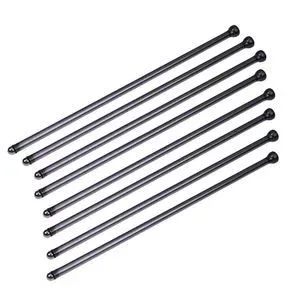
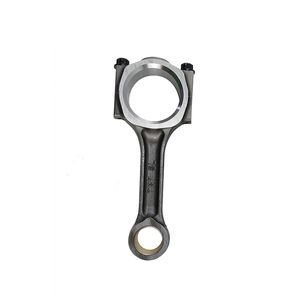
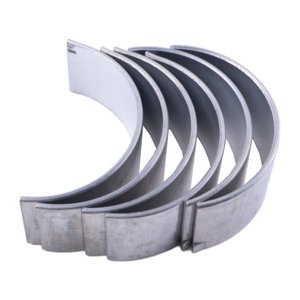
Matched Valve Train Set — Every push rod length verified against your specific C2.2 or C1.1 engine serial prefix before dispatch, preventing valve timing mismatch on rebuild.
Technical Specifications
| Parameter |
Value |
| Part Number |
154-1248 |
| Product Type |
Push Rod |
| Cross-Reference |
1541248, CA1541248 (reference only) |
| Engine Compatibility |
CAT 3034, 3024C, C2.2, 3024, C1.1 |
| Material |
SAE 5140 Alloy Steel |
| Surface Treatment |
Phosphate Coating |
| Assembly State |
New Aftermarket |
| Certification |
ISO 9001 |
| Warranty |
3–12 Months Against Manufacturing Defects |
| Kit Contents |
8 Pcs per Set |
| MOQ |
1 Piece |
Application Suitability
| Engine System |
Related Components |
| Valve Train Actuation |
Valve Lifters, Rocker Arms, Camshaft |
| Cylinder Head Assembly |
Valve Stem Seals, Valve Guides, Head Gasket Set |
| Bottom End Rotating Assembly |
Main Bearings, Rod Bearings, Thrust Washers |
| Lubrication Circuit |
Oil Pump, Oil Filter, Oil Cooler Core |
Why Your Overhaul Kit Left the Push Rods Out
A complete valve train replacement requires confirming the exact push rod length variant for your engine serial prefix.
You pull the head on a C2.2 and find two bent push rods. The standard overhaul gasket kit sitting on your bench does not include them. You search the part number and find it fits everything from a 216 skid steer to a CB-334E compactor, but the length tolerance shifts between early and late production blocks. Ordering the wrong variant means the valves will not close fully, or the rocker geometry will bind at high lift [NEED_CITE: valve train geometry and push rod length variance across engine serial prefixes]. I have opened engines where a previous rebuilder ignored this and the resulting interference bent the new rods within the first hundred hours. A replacement push rod for CAT C2.2 C1.1 engines must be matched to the specific build code, not just the engine family name.
The System Behind the Bent Rod
Push rods sit between the cam follower and the rocker arm, translating rotational cam profile into linear valve motion. When a push rod fails, it is rarely the root cause. Bent or galled push rods on these inline engines typically point to excessive valve clearance left unchecked, a worn cam lobe that shocks the follower on the ramp, or a collapsed lifter that allows the rod to disengage and drop sideways. Replacing the rod without addressing the underlying fault guarantees the new part will fail in the same manner [NEED_CITE: root cause analysis for valve train component failure in small displacement diesel engines]. During a full engine rebuild, the push rod set should be evaluated alongside the camshaft, lifters, and rocker shaft for coordinated replacement.
Serial Prefix Determines the Correct Length
The C2.2 and C1.1 platforms have been in production across multiple machine generations, from the 226B skid steer to the 249D compact track loader. Minor revisions to the block casting and head deck height mean the effective push rod length has changed across serial ranges. A rod that fits an early 3024C build may hold the valve slightly open in a later C2.2 variant, causing compression loss and eventual seat damage. We verify the engine serial prefix against the build record to confirm which length variant your engine requires. This cross-reference step eliminates the trial-fitment problem that delays rebuilds when multiple variants exist under a single base part number [NEED_CITE: engine serial prefix identification methods when nameplates are illegible].

Reading the Specifications That Matter
SAE 5140 alloy steel provides the core material for these push rods, selected for its balance of hardenability and fatigue resistance under cyclic compressive loading. The push rod transmits force from the lifter to the rocker arm thousands of times per minute, so material consistency along the full length prevents localized buckling. Phosphate coating on the surface serves a specific break-in function: it retains a thin oil film during the first hours of operation after rebuild, before the mating surfaces of the lifter cup and rocker tip have fully worn into their running profile. Without this initial lubrication retention, metal-to-metal contact accelerates wear at both contact points. Dimensional straightness tolerance is equally important — a rod that is even slightly out of true will bind in the tight-clearance push rod bore of the cylinder head, creating drag that the valve spring cannot overcome at higher RPM.
The Cost of Skipping the Serial Check
When a rebuild shop installs push rods without confirming the engine serial variant, the failure does not always show up immediately. The engine may start and run, but with valve timing shifted by a fraction of a degree. Over weeks of operation, that shift causes accelerated wear on the valve seats, uneven cylinder pressures, and eventually a bent rod or dropped valve. The machine comes back to the shop under warranty, and now you are pulling the head a second time, replacing gaskets and seals you just installed, and explaining to the equipment owner why their machine is down again [NEED_CITE: cost impact of repeat disassembly during engine overhaul due to incorrect component variants]. The labor cost of a second teardown dwarfs the time it takes to verify the serial prefix before the first build.
Why Rebuild Shops Source This Set Here
Our own production lines and qualified sourced supply operate under one account and one warranty, so whether your push rod set ships from our facility or a certified partner, the QC terms are identical. Eight product categories mean your complete overhaul order — push rods, gasket set, bearing shells, piston rings, oil pump, filter elements — ships as one consignment with one tracking reference. Minimum order starts at one piece, so a single emergency set for a down machine is never blocked by volume requirements. Our Guangzhou warehouse holds stock on high-turnover valve train components for fast dispatch on common C2.2 and C1.1 builds. Part identification works from a part number, machine model, photograph of the old rod, or a nameplate image, and our cross-reference verification covers superseded and alternate numbers across engine generations. We supply samples for fitment confirmation before you commit to bulk stocking for your shop's regular rebuild work.
Documentation & Verification
- Commercial invoice and packing list referencing engine serial prefix and part variant confirmed
- Compatibility and cross-reference sheet marking all OEM numbers as reference only
- Dimensional inspection record covering rod length and straightness tolerance per piece
- Warranty terms covering manufacturing defects for 3 to 12 months from delivery
- Packing photographs showing rod set arrangement and protective separation before crate closure
- HS code and customs documentation support for international engine parts shipments
Installation & Rebuild Sequence
- Verify each push rod length against the engine build record before installation begins
- Inspect lifter faces and rocker arm tips for wear patterns that indicate root cause of prior failure
- Apply assembly lubricant to both push rod ends to protect phosphate coating during initial cranking
- Confirm valve clearance with feeler gauge after rocker shaft torque sequence is complete
- Run initial break-in at governed speed to seat valve train contacts under load
Confirm Your Rebuild Requirements
Send us the engine model, serial number, and any previous rebuild documentation you have. We will confirm the correct push rod length variant for your specific C2.2, C1.1, 3034, or 3024C build and identify the matched valve train components that should be replaced at the same time. If you are stocking for a rebuild shop, tell us your typical engine mix and we will prepare a fitment verification sheet for your most common platforms.
Frequently Asked Questions
Q: Does the overhaul gasket kit include push rods, or do I order them separately?
A: Most standard overhaul gasket sets do not include push rods. They cover gaskets, seals, and O-rings but treat valve train hard parts as separate line items. Order the push rod set independently and verify the quantity covers all cylinders — 8 pieces for these inline engines.
Q: My engine was rebuilt once before — how do I know the correct push rod length has not changed?
A: Previous rebuilds sometimes involve block decking or head resurfacing, which alter the distance between cam and rocker. Provide the engine serial number and any rebuild records. We cross-reference the current build state against known variants to confirm whether standard or adjusted-length rods are required.
Q: What other valve train parts should I replace at the same time as the push rods?
A: Inspect the lifters, rocker arms, rocker shaft, and camshaft lobes. If the push rods failed from a worn cam lobe or collapsed lifter, replacing only the rods will not prevent repeat failure. We supply matched valve train sets so all interacting components ship together.
Q: How do I confirm which engine serial variant I have when the nameplate is worn?
A: Send us a photograph of any remaining stamping on the block, the machine model, and approximate year of manufacture. We use multiple identification paths — casting numbers, machine build records, and cross-reference databases — to narrow down the exact engine variant.
Q: Can I get a sample set to verify fitment before committing to a bulk order for my rebuild shop?
A: Yes. We supply sample push rod sets for physical fitment verification on your bench or engine stand before you commit to volume orders. This is standard practice for rebuild shops that service multiple serial variants of the same engine family.