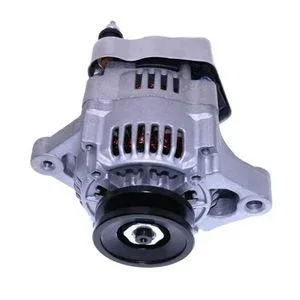
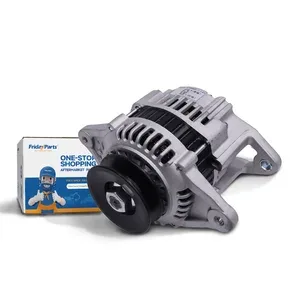
Engine sequence variants confirmed — Kubota D722 through D1305 share the alternator mounting pattern but differ in accessory drive layout and connector type, so we verify the bracket and T-plug against your specific engine serial before dispatch.
Technical Specifications
| Parameter |
Value |
| Part Number |
16241-64013 |
| Product Type |
Alternator |
| Cross-Reference |
16241-64010, 16241-64012, 16241-64014, 16705-64010, 16427-64011, 16427-64012, 16427-64013, KEARA-16241, KEARA-16427, 185-5994, 101211-1482, 5H730-42503 (reference only) |
| Machine Fitment |
B1550D, B1550E, B1550HST-D, B1550HST-E, B1750D, B1750E, B1750HST-D, B1750HST-E, B21, B2100D, B2150D, B2150E, B2150HSD, B2150HSE, B2410HSD, B2410HSDB, B2410HSE, B26, B2710HSD, B2910HSD, B7311, B7324, B7500D, B7500DTN, B7500HSD, BX7310, BX7310A, F2260, F2400, F2560, F2560E, F2680E, F2690, F2690E, F3060, F3080, F3680, FZ2100, FZ2400, KX41-2, KX41H, KX61-2, KX71, KX91-2, U17, R310, R310BH |
| Voltage |
12V |
| Amperage |
40A |
| Belt Pulley Diameter |
68mm |
| Plug Type |
T plug |
| Mounting Hole Distance |
138mm |
| Condition |
New Aftermarket |
| Warranty |
3-12 months against manufacturing defects |
| Manufacturing Standard |
ISO-certified production |
Application Suitability
| Engine System |
Related Components |
| Charging circuit on Kubota D722 |
Starter motor, voltage regulator, glow plugs |
| Electrical auxiliary group on D905 |
Wiring harness, drive belt, belt tensioner |
| Engine rebuild on D1105 |
Alternator-and-starter matched set, seal kit |
| Power unit restoration on D1005 |
Full electrical refresh kit, grounding strap |
| Compact tractor service on D1305 |
Charge indicator circuit, pulley alignment check |
Why a Standalone Alternator Swap Often Fails Before the Next Oil Change
The 16241-64013 alternator replacement must be evaluated as part of the engine electrical auxiliary system, not as an isolated failure component.
I worked with a repair centre in Suzhou that replaced alternators on Kubota D722 and D1105 engines three times in one season on the same fleet of compact tractors. The units kept failing, and each time the shop blamed the part. What we eventually traced was a degraded ground path on the engine block and an over-tensioned drive belt loading the alternator bearings beyond specification. The root cause sat in the system, not in the unit itself. [NEED_CITE: Kubota D-series engine electrical auxiliary diagnostic procedures]
When a 16241-64013 alternator engine rebuild is on the bench, the technician has access to every adjacent component in the charging circuit. Skipping a system check at that stage means paying for the same teardown again within weeks.

The Charging Circuit Within the Kubota D-Series Electrical Auxiliary Group
This alternator sits inside the engine electrical auxiliary group alongside the starter motor, glow plug circuit, and main wiring harness. During a D722 or D1105 rebuild, these components share the same access window and the same removal sequence. Replacing the alternator while leaving a marginal starter motor or cracked wiring loom in place invites a comeback. The 16241-64013 alternator engine rebuild belongs on the same work order as every other electrical auxiliary item that the teardown already exposes.
Engine Serial Variants and the T-Plug Connector Difference
Kubota D722, D905, D1005, D1105, and D1305 engines share the same alternator mounting footprint but diverge in accessory drive layout and connector specification. The T-plug on this 40A 12V unit must match the harness side exactly — some later serial variants moved to a revised regulator interface that looks similar but pins out differently. We have seen D1105 engines in KX41-2 excavators versus B2150D tractors carry different bracket offsets despite the same base engine family. Confirming the engine serial number, not just the engine family, rules out these variant mismatches before the unit ships. [NEED_CITE: Kubota D-series engine serial variant accessory drive differences]
Reading the Specification Sheet Against Real Workshop Conditions
The 12V / 40A output rating means this alternator sustains the charging circuit under typical compact equipment electrical loads — lighting, instrumentation, and ECU supply on later models. At 68mm pulley diameter, the belt contact arc and surface speed must match the existing tensioner setting; a mismatched pulley causes belt slip at low RPM and bearing overload at high RPM. The 138mm mounting hole distance is the critical check against the old unit or the engine bracket — even a small deviation means the alternator binds or the belt track shifts off-centre. The T-plug connector type must physically and electrically mate with the machine-side harness without adapter modification.
The Cost of Skipping the System Diagnosis
When a workshop fits a new alternator without checking the drive belt condition, ground strap continuity, and voltage regulator function, the replacement unit absorbs the same fault that killed the original. Bearing wear from over-tension accelerates, diode stacks overheat under irregular voltage demand, and the shop faces a warranty claim that a multimeter would have prevented. In a fleet context, this pattern repeats across machines that share the same maintenance neglect. [NEED_CITE: alternator failure root cause analysis in diesel engine auxiliary systems]
What We Verify Before Your 16241-64013 Alternator Ships
We produce selected electrical lines in our own facility and source the remainder from ISO-certified partners, with both carrying the same quality control and warranty terms. Every alternator order triggers a cross-reference verification against superseded and alternate numbers — the 16241-64013 reference (cross-reference only) has multiple predecessors that we check to confirm the correct variant dispatches. We confirm the T-plug type and 138mm mounting hole spacing against your engine serial before packing. A single unit ships with the same documentation and warranty as a full engine rebuild kit. Our technical team stays available for compatibility and grade confirmation when the engine nameplate is worn or the serial number is unclear. Sample units go out for fitment confirmation before any bulk commitment.
Documentation & Verification
- Commercial invoice listing alternator part number and cross-reference variants
- Engine compatibility sheet mapping D722–D1305 serial ranges to T-plug type
- Pre-shipment voltage regulation and current output test record
- Warranty terms covering manufacturing defects for 3-12 months
- Packing photographs showing pulley and connector condition before crating
- HS code and customs documentation for international electrical component shipment
Installation & Rebuild Sequence
- Remove drive belt and inspect tensioner before extracting the alternator from the D-series bracket
- Compare the 138mm mounting hole spacing and T-plug pin layout against the old unit on the bench
- Verify ground strap continuity from engine block to chassis before connecting the new alternator
- Set belt tension to Kubota specification to protect the 68mm pulley bearings from overload
- Run the engine at idle and measure voltage output at the battery terminals to confirm regulator function
Tell Us What the Engine Nameplate Shows
Send us the engine model, serial number, and any visible numbers from the old alternator — even a photograph of a worn nameplate is enough for our team to cross-reference. If the machine is a KX61-2 or B2410HSD with an unclear engine history, tell us the machine serial and we will trace the engine variant. For rebuild shops planning a full electrical refresh, share the engine build sheet so we can confirm matched alternator and starter compatibility in one shipment.
Frequently Asked Questions
Q: What other engine electrical parts should be replaced at the same time as the alternator?
A: During a Kubota D-series engine rebuild, we recommend evaluating the starter motor, glow plug set, wiring harness, and voltage regulator alongside the alternator. These components share the same access window, and replacing them together avoids a second teardown. We supply matched alternator-and-starter sets so the charging and starting circuits refresh in one consignment.
Q: How do I confirm the correct alternator variant when my engine serial differs from the listing?
A: Provide the full engine serial number from the nameplate or block stamping. Kubota D722 through D1305 engines share the alternator mounting pattern but differ in bracket offset and connector type across production runs. Our team cross-references the serial against the accessory drive layout to confirm the T-plug and 138mm hole spacing match your specific engine build.
Q: Is the T-plug connector the same across all D722 to D1305 applications?
A: No. While the alternator mounting footprint is consistent across the D-series family, the T-plug connector pin-out and bracket configuration can vary between applications such as compact tractors and mini excavators. Confirming the engine serial number and machine model ensures we dispatch the correct connector variant for your specific unit.
Q: What root causes should I check before installing a replacement alternator?
A: Before fitting the new unit, verify drive belt condition and tension, ground strap continuity from block to chassis, voltage regulator function, and wiring harness integrity. Over-tensioned belts and poor ground paths are common reasons replacement alternators fail prematurely. Addressing these system-level faults protects the new alternator from repeating the original failure.
Q: Can I order a matched alternator and starter motor set in one shipment?
A: Yes. We supply matched alternator and starter sets for Kubota D-series engines as a consolidated order. This approach ensures both components carry compatible specifications for your engine serial, ships under one account with unified warranty terms, and eliminates the risk of mismatched lead times from separate suppliers.