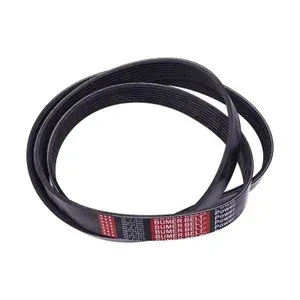
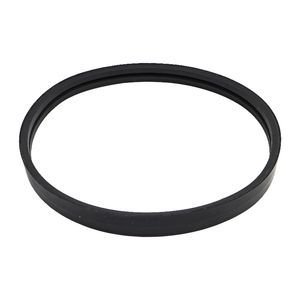
System-matched dispatch — Belt and adjacent sprockets ship together after serial variant cross-check, preventing repeat teardowns from mismatched tolerances.
Technical Specifications
| Parameter |
Value |
| Product Type |
Belt |
| Part Number |
40024-04 |
| Cross-Reference |
40024-04, 1204-0063, 4002404, 12040063, 58-439, 58439 (reference only) |
| Machine Fitment |
FLHR, FLHRC, FLHRCI, FLHRI, FLHRS, FLHRSI, FLHT, FLHTI, FLHX, FLHXI, FLTRI, FLHTC, FLHTCI, FLHTCSE2, FLHTCU I, FLHTCUSE (2004–2006) |
| Width |
1-1/8" / 28.5 mm |
| Tooth Count |
139T |
| Material |
Aramid-reinforced EPDM rubber compound |
| Condition |
New Aftermarket |
| Warranty |
6-month manufacturer defect warranty |
| MOQ |
1 piece |
| Standards |
ISO 9001 |
Application Suitability
| Engine System |
Related Components |
| Primary Final Drive |
Front countershaft sprocket, rear pulley assembly |
| Belt Tensioning System |
Automatic tensioner, idler bearing, mounting hardware |
| Powertrain Overhaul Kit |
Transmission seals, primary chain inspection cover gasket |
| Swingarm Pivot Area |
Pivot shaft bearings, alignment spacers, retaining clips |
Why Belt-Only Replacements Fail Within a Few Thousand Miles
Addressing the fault that caused the failure prevents the next one.
A rear drive belt rarely snaps or strips teeth on its own. When I check a returned belt from a touring powertrain, the wear pattern usually tells a different story: one edge scuffed from pulley misalignment, or the cord line fractured because the tensioner bearing seized and let the belt ride off-center. Replacing the belt without diagnosing the adjacent components means the same stressor will destroy the new belt in short order. Workshops that treat belt replacement as a system-level job — checking sprocket hook wear, verifying swingarm alignment, and confirming tensioner travel — see meaningfully longer intervals between repeat visits. [NEED_CITE: belt drive system root cause analysis in touring powertrains]

The Belt's Position in the Touring Powertrain System
The rear drive belt is the final link between the transmission output and the rear wheel. It sits downstream of the primary chain or belt, the clutch assembly, and the gearbox. When an engine rebuild or transmission service is underway, this belt should be evaluated as part of a matched set. If the countershaft sprocket shows hook wear beyond service limits, a new belt running on that damaged sprocket will experience accelerated tooth shear. This rear drive belt engine rebuild replacement must be planned alongside the sprocket and tensioner to protect the investment in the overhaul.
Variant Differences Across Touring Model Years
Even within the 2004–2006 production window, Harley Touring models carried subtle drivetrain variations that affect belt specification. Some builds used a different pulley offset that changes the effective belt tracking position on the sprocket. The 139-tooth pitch and 1-1/8" width must align with the specific engine serial variant. I have seen rebuild shops install the correct base-number belt only to discover the tracking was off by a few millimeters because the pulley spacer thickness differed between model year sub-variants. Verifying the engine serial and cross-referencing against build records closes this gap before the transmission case goes back together. [NEED_CITE: drivetrain variant identification across touring model year sub-groups]
Reading the Specifications That Matter on Site
The aramid-reinforced EPDM compound in this belt addresses the three most common degradation pathways in touring duty: ozone cracking from prolonged outdoor exposure, heat buildup from sustained highway speeds, and oil mist contamination from the primary case breather. The 139-tooth count determines the pitch engagement with the sprocket — a mismatch here causes the belt to ride high on the sprocket teeth, generating noise and premature wear at the cord line. The 1-1/8" width must match the pulley flange spacing precisely; a narrower belt walks off-center under load, while a wider belt binds against the flange and generates edge heat.

The Cost of Skipping System-Level Diagnosis
A shop that swaps the belt without checking the tensioner bearing or sprocket condition will often see the customer return with the same complaint within a few thousand miles. The cost of that return visit — labor to pull the rear wheel again, a second belt, and the reputational damage — far exceeds the time spent on a full system inspection during the first service. I have documented cases where a seized tensioner idler bearing destroyed two consecutive belts before the root cause was found. Each repeat failure erodes customer confidence and consumes warranty reserves. [NEED_CITE: cost of repeat driveline service events in independent repair facilities]
What We Bring to This Specific Job
Our Guangzhou warehouse stocks this rear drive belt engine rebuild replacement alongside the tensioners, sprockets, and seals that complete the job. Both our self-produced lines and sourced supply from ISO 9001 certified partners carry the same six-month warranty, so you manage one account for the entire driveline kit. We verify cross-reference numbers — including superseded references — against your engine serial to confirm variant fitment before dispatch. A sample can ship ahead of your bulk order for physical fitment verification on the bench. Our technical team checks pulley offset and tensioner compatibility when you provide the machine build record.
Documentation & Verification
- Commercial invoice listing each belt, sprocket, and seal by verified part number
- Cross-reference sheet mapping your OEM numbers to our dispatch numbers (reference only)
- Tensile and elongation test data per ASTM D412 included with each batch
- Warranty card specifying the 6-month defect coverage terms for belt and matched components
- Packing photographs showing inner sleeve protection and sealed retail packaging before crating
- HS code and customs classification support for belt and rubber compound imports
Installation & Rebuild Sequence
- Clean sprocket teeth and pulley flanges with solvent before belt installation to remove old rubber deposits
- Verify tensioner bearing free-spin and full travel range before routing the new belt
- Check swingarm pivot shaft end-play and alignment spacer thickness to confirm belt tracking centerline
- Torque rear axle nut to specification and recheck belt deflection after initial heat cycle
- Inspect belt tooth engagement and edge tracking after the first fifty miles of operation
Request a System-Matched Quote
Provide your engine model, serial number, and any prior rebuild history so we can confirm the correct belt variant and matched sprocket specification. If you are planning a full powertrain overhaul, share your component list and we will return a consolidated kit quote with verified cross-references for every line item.
Frequently Asked Questions
Q: What other components should be inspected or replaced when changing the drive belt?
A: The front countershaft sprocket, rear pulley, tensioner assembly, and idler bearing should all be evaluated. Hook wear on sprocket teeth or a seized tensioner bearing will destroy a new belt prematurely. We supply these as a matched set so tolerances align across the entire final-drive system.
Q: Do different Touring model years use different belt specifications despite sharing a base part number?
A: Yes. Within the 2004–2006 range, pulley offset and spacer thickness varied between sub-variants. The 139T count and 1-1/8" width remain constant, but tracking position changes. Providing your engine serial lets us confirm the exact build configuration before dispatch.
Q: How do I confirm which OEM cross-reference number applies to my specific engine build?
A: Share your engine serial or the stamped number from your existing belt. We cross-reference against build records to map the correct variant — including superseded numbers — and return a verification sheet marked reference only before you commit to an order.
Q: What system-level checks prevent repeat belt failure after replacement?
A: Verify sprocket tooth condition, tensioner bearing free-spin, swingarm alignment, and pulley flange clearance. Belt failure is rarely a material defect alone; it usually traces to misalignment or a seized adjacent component. Addressing these during installation extends service life meaningfully.
Q: Can I get a sample for fitment verification before committing to bulk?
A: Yes. We ship a single unit from our Guangzhou stock so you can bench-fit it against your sprocket and pulley before ordering the full quantity. This confirms tracking position and tooth engagement on your specific engine variant.