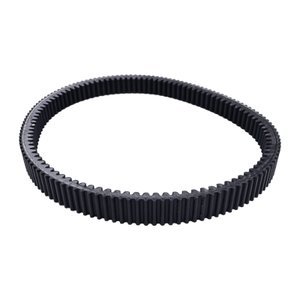
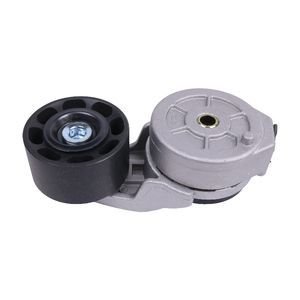
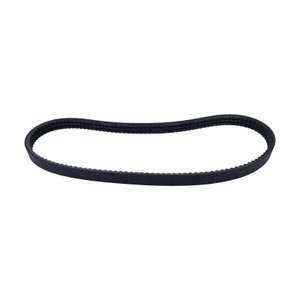
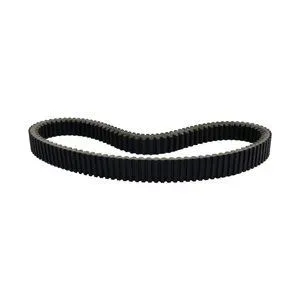
Matched Sets Shipped — Every 52" deck belt order is verified against your Toro mower engine serial to confirm dimensional match before dispatch.
Technical Specifications
| Parameter |
Value |
| Part Number |
131-1122 145-3482 |
| Cross-Reference |
131-1122 (reference only), 1311122 (reference only), 145-3482 (reference only), 1453482 (reference only) |
| Product Type |
Belt |
| Length |
52" |
| Condition |
New Aftermarket |
| Warranty |
3-12 months against manufacturing defects |
| MOQ |
1 piece |
| Standards |
ISO |
Application Suitability
| Engine System |
Related Components |
| Cutting Deck Drive |
Deck pulleys, idler pulleys, spindle assemblies |
| Belt Tensioning System |
Tensioner springs, pivot brackets, tension arm |
| PTO and Clutch Assembly |
Electric PTO clutch, clutch bearing, wiring harness |
| Spindle and Blade System |
Spindle bearings, blade bolts, blade adapters |
Why Deck Belts Fail Before the Expected Service Interval
Most premature belt failures trace back to worn tensioners or misaligned pulleys, not the belt itself.
When a 52" deck belt snaps on a Toro Grandstand mower, the instinct is to swap the belt and send the machine back to work. In commercial landscaping fleets running multiple units across abrasive environments, this single-part replacement often leads to a repeat failure within weeks. The root cause sits in the surrounding belt drive system — glazed pulley grooves, seized idler bearings, or a tensioner spring that has lost its rated load capacity. Replacing the belt without inspecting these adjacent components means the new belt inherits the same destructive forces [NEED_CITE: belt drive system failure root cause analysis for commercial mowing equipment].
A snapped deck belt often points to worn tensioners or misaligned pulleys — replacing the belt alone without checking the system invites repeat failure within weeks.

The Belt Drive System and Its Neighbors
This 52" deck belt operates inside a cutting deck drive system that transfers torque from the engine PTO through a series of pulleys to the spindle assemblies. When planning an engine replacement rebuild or a seasonal overhaul, the belt is one node in a chain that includes the PTO clutch, idler pulleys, tensioner arm, and spindle bearings. A failure in any of these nodes transfers abnormal load to the belt. For Toro Grandstand models 74505, 74519, 74529, and 79505, the deck belt routing path must match the pulley groove profile precisely, otherwise the belt rides high in the sheave and slips under load.
Dimensional Tolerances and Rebuild History
When an engine rebuild shop services a Toro Grandstand power unit, previous overhauls may have altered pulley alignment or changed the center-to-center distance between the engine crank pulley and the deck drive pulley. The 52" deck belt length must account for these accumulated tolerances. If a prior rebuild installed a different crank pulley diameter or repositioned the tensioner bracket, the belt may run at improper tension — either too tight, accelerating bearing wear, or too loose, causing slip and heat buildup [NEED_CITE: belt tension specification verification after engine rebuild]. Always confirm the engine serial number and cross-reference the belt length against the current pulley configuration, not just the factory baseline.
Reading the Specifications That Matter
The 52" length specification defines the effective pitch length of the belt, which determines how it seats in the pulley grooves across the entire drive path. The reinforced rubber compound and tensile cord construction provide consistent torque transmission from the engine to the cutting spindles without stretch under sustained load. The abrasion-resistant outer layer is formulated for dusty and debris-heavy mowing environments where grass clippings and soil particles accumulate in the pulley grooves. Dimensional tolerances are matched to OEM cross-reference specifications for proper pulley seating, which prevents the belt from walking off the sheave during engagement and disengagement cycles.
The Cost of Skipping the System Check
When a repair centre installs a new deck belt without verifying pulley condition and tensioner function, the machine returns to the field with the same underlying fault. Within a short operating window, the replacement belt develops edge fraying, chord cracking, or tensile cord separation. The mower goes down again, and now the diagnosis must start from scratch — pulling the deck, inspecting every pulley bearing, measuring tensioner spring force, and checking PTO clutch engagement [NEED_CITE: repeated belt drive failure diagnostic procedure for commercial mowers]. This second teardown doubles the labor investment and extends machine downtime during peak mowing season.
Why Source This Belt Through XUNPO
Our own production lines and qualified sourced supply operate under one account with identical warranty terms, so whether this 52" deck belt ships from our Guangzhou facility or a partner line, the quality inspection standard remains consistent. Eight product categories mean you can add pulleys, tensioner springs, spindle bearings, and PTO clutches to the same order, and everything dispatches as one consignment. The minimum order is one piece — if you need a single belt for a fitment test before committing to a fleet-order quantity, that is exactly what ships. Our technical team verifies cross-reference numbers 131-1122 and 145-3482 against your Toro model number and engine serial to confirm compatibility before the order is packed.
Documentation & Verification
- Commercial invoice listing each belt with cross-reference numbers marked reference only
- Compatibility sheet mapping 131-1122 and 145-3482 to Toro model 74505, 74519, 74529, 79505
- Dimensional inspection record confirming 52" pitch length and belt profile
- Warranty terms covering manufacturing defects for 3-12 months
- Packing photographs showing belt condition before crate sealing
- HS code and customs documentation for international belt shipments
Installation & Rebuild Sequence
- Route the 52" deck belt following the Toro Grandstand pulley diagram to avoid misrouting
- Inspect all idler pulley bearings for free rotation before installing the new belt
- Verify tensioner spring load and arm pivot freedom after belt seating
- Confirm PTO clutch engagement produces clean belt pickup without shock loading
- Run the deck at idle speed first, checking belt tracking in each pulley groove
- Recheck belt tension after the initial break-in period of operation
Request a System-Matched Quote
Provide your Toro Grandstand model number and engine serial so we can verify belt drive system compatibility. If the mower has undergone a prior engine rebuild, share the rebuild details and any pulley or tensioner changes so we can confirm dimensional match. For fleet maintenance programs, send your complete belt drive parts list for a consolidated quote.
Frequently Asked Questions
Q: What other belt drive components should I inspect when replacing this deck belt?
A: Check every idler pulley for bearing play, inspect the tensioner spring for fatigue, and examine pulley grooves for glazing or wear. On Toro Grandstand models, the PTO clutch and spindle bearings also affect belt life. Replace any component that shows abnormal wear alongside the 52" deck belt to prevent repeat failure.
Q: How do cross-reference numbers 131-1122 and 145-3482 relate to each other?
A: Both numbers serve as interchange reference identifiers for the same 52" deck belt application across Toro Grandstand mower configurations. Number 131-1122 and 145-3482 may correspond to different production runs or model year variants. Always confirm fitment against your specific machine model and engine serial before ordering.
Q: Can I order matched pulley and tensioner sets with this belt?
A: Yes. We supply pulleys, tensioner springs, idler assemblies, and PTO clutches alongside the deck belt under a single order. This ensures all belt drive components arrive together, matched to your Toro Grandstand model, so the repair centre can complete the full system service in one session.
Q: What system-level issues cause premature deck belt failure?
A: Misaligned pulleys, seized idler bearings, fatigued tensioner springs, and PTO clutch slip all transfer abnormal forces to the belt. In dusty mowing conditions, debris packed into pulley grooves accelerates belt wear. Addressing these system-level faults during belt replacement prevents the new belt from failing prematurely.
Q: How do I confirm my Toro mower model and engine serial for correct fitment?
A: Locate the model plate on the mower frame — common Grandstand models include 74505, 74519, 74529, and 79505. The engine serial is stamped on the engine block. Send both numbers or a photograph of the nameplate, and our technical team will cross-reference compatibility before dispatch.